Quick and Healthy Dinner Recipes with Food Scraps

Transforming Waste into Delicious Meals
In today’s fast-paced world, making quick and healthy dinner options is essential. What if you could enhance your meals while also reducing food waste? By utilizing food scraps, you can create scrumptious dishes that are not only nutritious but also sustainable.
Food scraps can include a variety of ingredients that typically get tossed out, but which can be repurposed into creative meals. Here are some examples:
- Vegetable peels. Instead of discarding peels from carrots and potatoes, consider enriching your soups and stocks. These peels contain fibers and nutrients, enhancing both taste and nutrition. For instance, making a vegetable broth with peels can yield a flavorful base for risottos or stews.
- Herb stems. Herb stems, like those of parsley or cilantro, pack a punch of flavor. Instead of tossing them, chop them finely or blend them into a pesto. This not only maximizes your grocery budget but also minimizes waste while infusing your dishes with an aromatic profile.
- Fruit cores. Apple cores can add unexpected sweetness and flavor to smoothies. A blend of apple cores, spinach, and a splash of coconut water can create a refreshing and health-packed drink, keeping nutrition and taste in check.
These often-overlooked parts of your ingredients are packed with nutrients and flavor. Utilizing scraps can save you money while introducing you to innovative cooking techniques that enhance your meals in surprising ways. For example, citrus peels can be zested and used in baking or cocktails, adding zest and aroma to your dish, literally and figuratively.
Currently, about 30-40% of the food supply in the United States ends up wasted, as reported by the USDA. This waste not only affects our wallets but also contributes to greenhouse gas emissions in landfills. By rethinking how we use food, we are not only saving money but also adopting a more sustainable lifestyle. Through resourcefulness, you can elevate your cooking while making environmentally conscious choices.
Get ready to dive into some innovative recipes that will transform your dinner routine and make use of those food scraps. For example, consider making a broth from vegetable peels combined with leftover meats or grains. You might also experiment with a stir-fry using broccoli stems and leftover rice. It’s time to turn your leftovers into culinary delights, thus opening a door to a world where sustainability and deliciousness go hand-in-hand.

DISCOVER MORE: Click here to explore global flavors
Embracing the Art of Scrappy Cooking
Cooking with food scraps not only benefits your wallet but also sparks creativity in the kitchen. Every bit counts when it comes to meal preparation, especially in a culture where convenience often outweighs sustainability. By shifting our mindset, we can discover exciting ways to use every part of our ingredients. Here are some innovative ideas to help you make the most of what you normally might discard:
- Broccoli Stems and Leaves: Often tossed away, broccoli stems can be finely chopped and added to stir-fries or coleslaw, providing texture and nutritional benefits. Additionally, broccoli leaves are great in salads or sautéed as a side dish, yielding a satisfying crunch.
- Potato Peels: Instead of throwing away potato peels, they can be transformed into crispy snacks. Toss them with olive oil, seasonings, and bake until golden for a delightful addition to any meal.
- Citrus Juices and Peels: After using lemon or lime juice in a recipe, don’t discard the peels. They can be zested into dressings, marinades, or even baked goods, infusing your dishes with a burst of flavor while delivering tangible health benefits.
These unassuming scraps can add not just flavor but also unique textures to your dinner plates, allowing you to get more from each grocery trip. According to the Food Waste Reduction Alliance, the average American family of four loses around $1,800 annually due to food waste. By approaching cooking with a scrappy mentality, you have the power to reduce your waste and cut down on grocery bills while still enjoying delicious meals.
Exploring sustainable cooking opens the door to innovative recipes, like a hearty vegetable soup that utilizes all parts of vegetables, from peels to wilted greens. Combine vegetable scraps with leftover grains, herbs, or even proteins you have on hand. The result is not only a comforting dish but also a clear indicator of how resourceful cooking can lead to fulfilling and wholesome meals.
Imagine whipping up a vibrant pasta dish using carrot peels as a base for a rich sauce. Simply sauté the peels with onions, garlic, and any leftover vegetables you may have, blend it into a smooth sauce, and toss it with your favorite pasta. This method ensures you have a quick, healthy, and visually stunning dinner in under 30 minutes. What once was discarded now becomes the centerpiece of your culinary creations.
As we navigate the landscape of quick and healthy dinner recipes, embracing food scraps presents an opportunity not just to save money, but to cultivate a habit rooted in sustainability. By being intentional in using what we often overlook, we can transform our kitchens into centers of eco-conscious delight.
| Benefits | Aspects |
|---|---|
| Sustainability | Using food scraps significantly reduces waste, contributing to environmental sustainability. |
| Cost-effectiveness | Repurposing food scraps can lower grocery bills and maximize the use of available ingredients. |
| Nutritional Value | Many food scraps, like leafy vegetable stems and vegetable peels, retain high nutritional value, enhancing meal healthiness. |
| Creativity in Cooking | Encourages experimenting with new recipes, leading to innovative dishes that can surprise and delight. |
Embracing the practice of utilizing food scraps opens up a world of quick and healthy dinner recipes that not only nourish the body but also promote a sustainable lifestyle. For those intrigued by innovative cooking, this method invites an exploration of various culinary techniques that transform potential food waste into delightful meals. By leveraging the *nutritional value* of leftover produce or essential ingredients often overlooked, individuals can create satisfying dishes that align with their health goals and their wallets. These practices ultimately contribute to a more sustainable future while sparking creativity in the kitchen. As you delve deeper into this topic, consider how each ingredient can be utilized to minimize waste and maximize flavor in your next dinner.
DISCOVER MORE: Click here for budget-friendly dinner ideas
Unlocking Flavor with Creative Scrap Use
The notion of using food scraps is more than just a trend; it’s a lifestyle that champions reducing waste while unleashing culinary potential. With a few thoughtful choices, you can prepare delightful dishes that are both quick and healthy, all while making sure nothing goes to waste. Here are some inventive ideas to take your waste-free dining to the next level:
- Onion Skins: The thin, papery layers of onions often get tossed aside, but they can pack a punch of flavor. Instead of discarding them, add onion skins to your homemade stock. They lend a rich, golden hue and subtle flavor to your broths while boosting antioxidants. Consider using this stock as a base for soups or risottos, making a comforting meal from what you might have previously overlooked.
- Herb Stems: Don’t let those herb stems go to waste! Basil, cilantro, or parsley stems are flavorful and can easily enhance dishes. Blend them with other ingredients to create a vibrant pesto, or chop them up to add to sauces, marinades, or dressings. This is an excellent way to elevate your meals with little effort, infusing them with fresh flavors.
- Leafy Greens: While it’s common to discard the tougher outer leaves of vegetables like kale or romaine, these parts can be perfect for making homemade chips. Season with your choice of spices and pop them in the oven until crispy. Moreover, flavor-packed smoothies can be created by blending leftover greens with bananas or any frozen fruit, producing a nutrient-rich drink for those on-the-go evenings.
By integrating these simple yet effective techniques into your cooking routine, you not only create meals that are good for your health but also good for the planet. According to the USDA, nearly 30-40% of the food supply in the United States is wasted, which translates to billions of pounds every year. This staggering statistic underscores the importance of finding utility in food scraps over simply tossing them into the trash.
Want to whip up a quick salad that bursts with flavors? Try using carrot tops, which offer a peppery punch when blended into a dressing. Combine them with olive oil, vinegar, garlic, and seasonings to create a zesty topper for your salads or roasted veggies. This smart use of carrot tops not only minimizes waste but also enhances your meals with fresh, bold taste.
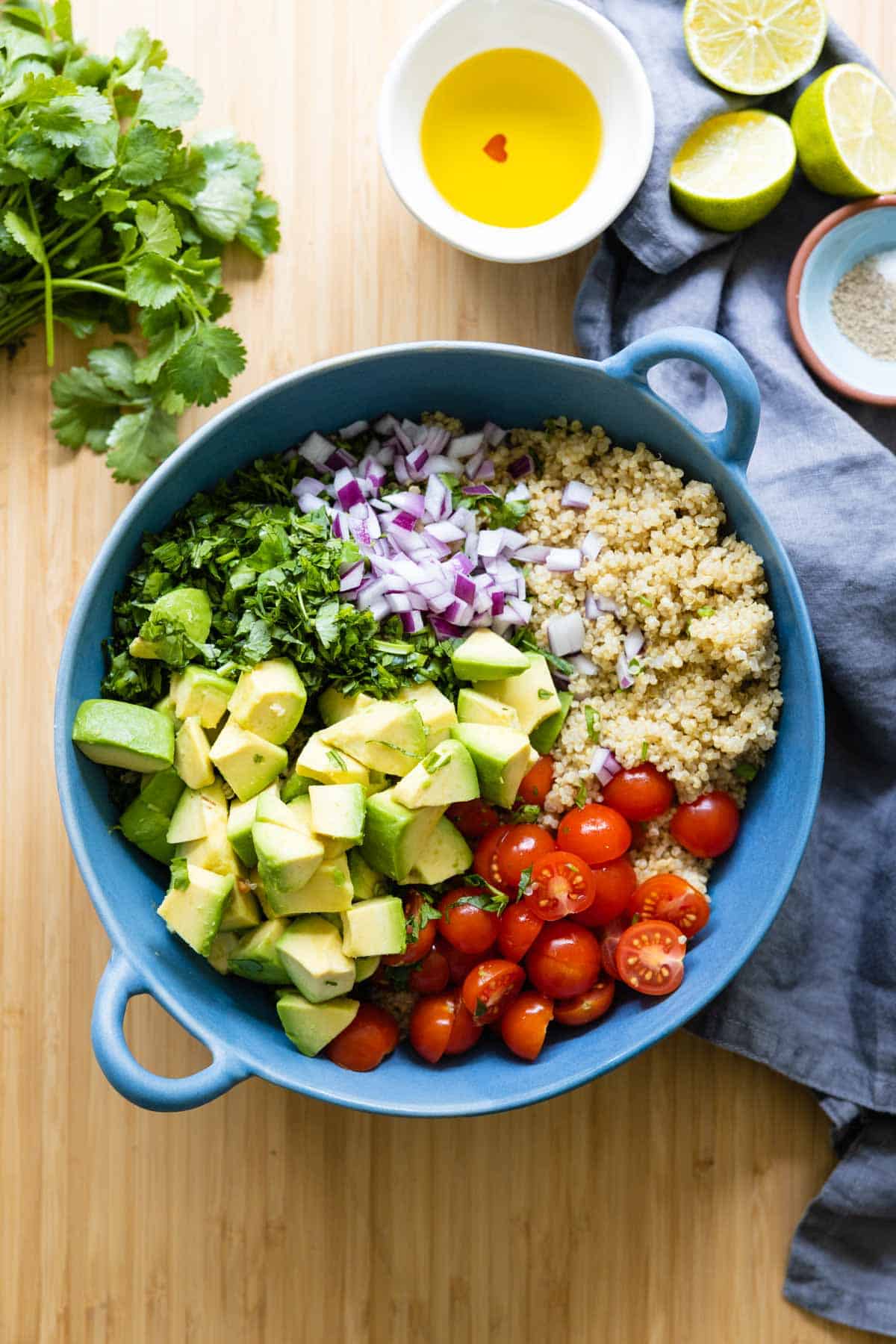
Another excellent option is the classic stir-fry, perfect for utilizing an array of food scraps. Gather a mix of vegetable ends, such as bell pepper tops, zucchini ends, and broccoli leaves, and toss them into your favorite cooking pan with soy sauce and garlic. Serve it over leftover brown rice or quinoa for a balanced and nutritious meal ready in just minutes. This dish showcases the versatility of scraps while keeping your dinner time efficient and stress-free.
As you explore the universe of quick and healthy dinner recipes using food scraps, remember that creativity is your ally. Pioneering a scrap-centric cooking approach doesn’t just reduce waste; it reveals new dimensions of taste and nutrition. Each meal can transform into a delicious experiment, which is not only nourishing but also environmentally conscious.
DISCOVER: Click here for easy snack ideas
Transforming Scraps into Succulent Dinners
In conclusion, embracing quick and healthy dinner recipes using food scraps is not only a smart culinary decision, but it also serves as a meaningful step towards sustainability in our daily lives. By exploring creative ways to use items often deemed waste—such as vegetable peels, herb stems, and leftover greens—you open the door to a world rich in flavors and nutrition. The versatility of these scraps can lead to inventive meals that nourish the body and reduce your environmental footprint.
As we’ve seen, simple techniques—like incorporating onion skins into stocks or whipping up a stir-fry with leftover vegetable ends—can drastically elevate the dining experience while promoting a zero-waste mindset. It’s crucial to remember that utilizing food scraps not only combats the staggering statistics of food waste in the United States, where nearly 30-40% of the food supply is thrown away, but it also encourages a more thoughtful approach to cooking.
Each meal created with food scraps becomes an opportunity to innovate and delight, proving that with a bit of ingenuity, you can transform the overlooked into the outstanding. As you embark on this culinary journey, think of the possibilities that lie within your kitchen waste. The next time you prepare dinner, consider how those seemingly insignificant scraps can contribute to a deliciously satisfying and responsible meal.
Related posts:
Sustainable Salads: Healthy Lunch Recipes with Low-Cost Ingredients
Budget-Friendly and Nutritious Vegan Meal Recipes for Everyday
Healthy Breakfast: Budget Recipes to Start the Day with Energy
Quick and Nutritious Soups: Comfort and Savings in a Bowl
Quick and Healthy Recipes with Pantry Ingredients
Nutritional Smoothies: Affordable Drinks for Your Health

Beatriz Johnson is a seasoned home cook and recipe developer with a passion for simplifying the art of budget-friendly and easy-to-make meals. With over a decade of experience in the kitchen, she specializes in topics like meal planning on a budget, affordable ingredient swaps, and quick cooking techniques for busy households. Through her work, Beatriz empowers readers to create delicious, satisfying meals while saving money and making the most of every grocery trip.