
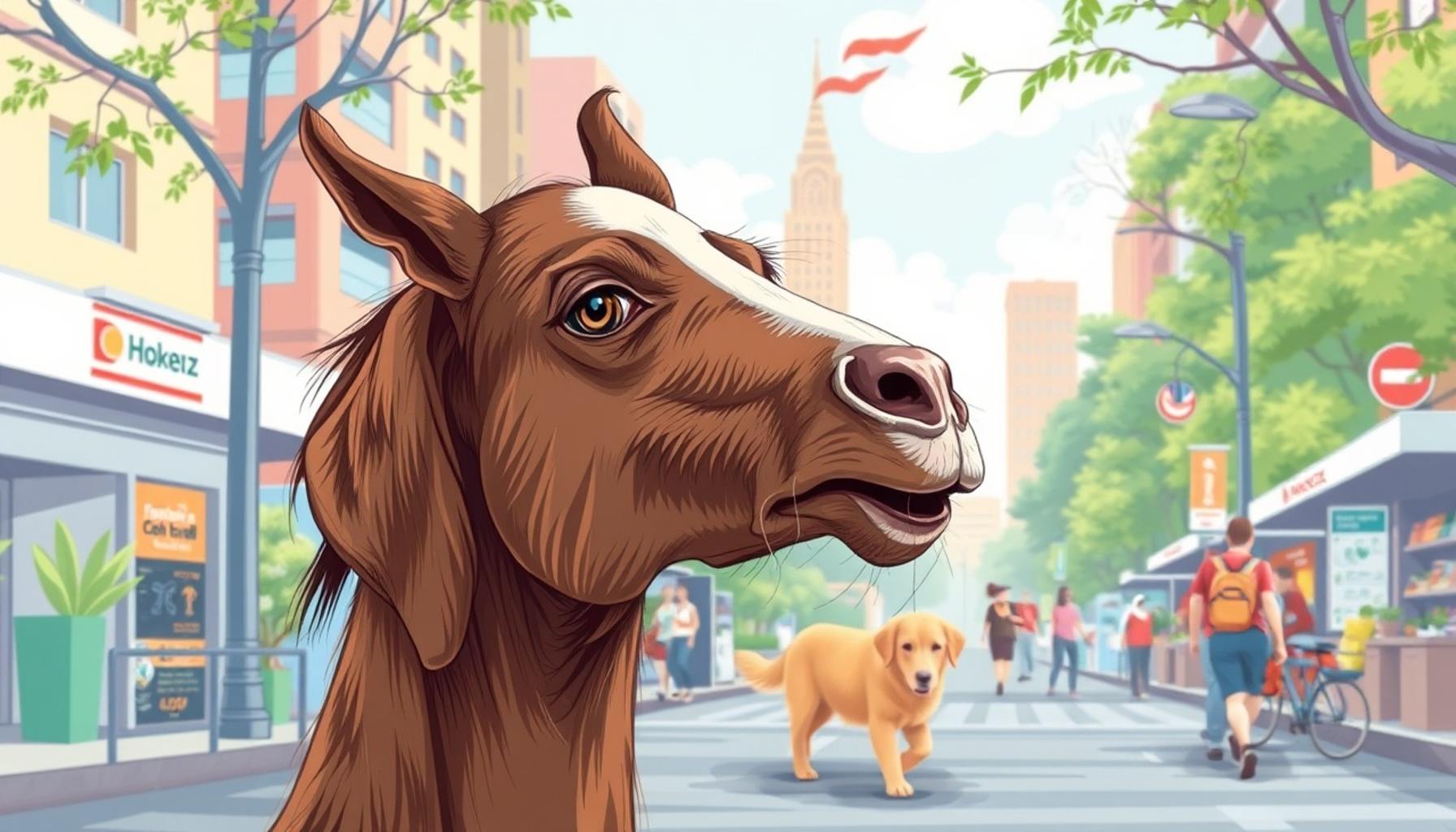
Challenges Faced by Dogs in Urban Environments
Living in a bustling city presents unique challenges for dogs that can significantly affect their behavior and overall well-being. Urban environments present a variety of distractions, ranging from loud noises such as sirens and construction work to the visual stimulation of passing cars, cyclists, and pedestrians. These conditions can overwhelm even the most docile pets, leading to heightened stress and anxiety levels. It’s crucial for pet owners to understand that without diligent management and proper training, these factors can culminate in a plethora of behavioral issues.
Behavioral training is not just beneficial; it is essential for dogs living in urban settings for multiple reasons:
- Safety: Trained dogs are less likely to engage in risky behaviors, such as darting into traffic or confronting aggressive dogs. For instance, commands like “stay” or “come” can prevent dangerous situations, ensuring that a dog remains secure even amidst the chaos of city life.
- Socialization: Socialization is critical for reducing anxiety and aggression. In urban areas where interaction with other pets and people is frequent, training helps dogs develop appropriate social skills, making them more confident when exposed to diverse environments.
- Public Compliance: Dogs that respond to basic commands are easier to manage in crowded spaces, such as parks or outdoor events. A well-trained dog can navigate these situations more calmly, creating a more enjoyable experience for both the animal and those around them.
The demand for effective behavioral training is more pressing than ever, especially as the number of dog owners in the U.S. swells to approximately 63 million households, with urban areas witnessing the highest growth in canine companions. According to surveys, a significant percentage of dog owners report challenges in managing their pets in busy surroundings, underscoring the importance of training to ensure smooth coexistence in shared spaces.
In exploring the techniques and benefits of behavioral training for dogs specifically in urban settings, various strategies emerge. Positive reinforcement training, for example, has gained popularity as a humane and effective approach that encourages desired behaviors while building trust between the dog and owner. Moreover, incorporating daily routines that expose dogs to urban stimuli, such as walks through busy neighborhoods, can foster adaptability and confidence.
Understanding how to equip dogs with the necessary skills to cope with urban life is vital, not only for their happiness but also for their well-being. As dog ownership continues to rise in urban landscapes, the focus on effective training will play a pivotal role in fostering harmonious relationships between dogs, their owners, and the community at large.
DISCOVER MORE: Click here to learn about the benefits of behavioral training for your cat
The Essential Role of Behavioral Training in Urban Life
As the urban landscape continues to evolve, the importance of effective behavioral training for dogs cannot be overstated. In cities where noise, sights, and smells abound, dogs can quickly become overwhelmed without the right training techniques. One of the primary benefits of behavioral training lies in establishing a solid foundation of obedience that empowers dogs to navigate the complexities of city life confidently. This foundational training allows pet owners to foster a sense of calm and control, significantly enhancing the dog-human bond.
In urban settings, the exposure to various stimuli can lead to challenging scenarios, including aggressive encounters with other animals or erratic behavior in response to loud sounds. Here’s where training truly makes a difference:
- Prevention of Fear-Based Reactions: Dogs that are not accustomed to dealing with sounds like sirens or bustling crowds may react with fear or aggression. Training teaches dogs how to stay calm in stressful situations, minimizing the likelihood of panic-related incidents.
- Development of Self-Control: Commands such as “leave it” or “wait” can prevent dogs from lunging at bicycles or chasing after stray animals, allowing their owners to manage their behavior effectively while out in public.
- Enhances Comfort with Routines: Regularly scheduled training sessions can help establish routines that promote relaxation and stability for dogs living in bustling environments. Consistent training reinforces the dog’s understanding of what is expected, leading to greater overall comfort.
Moreover, the significance of positive reinforcement techniques cannot be overlooked. This approach focuses on rewarding desirable behaviors rather than punishing undesirable ones, which not only encourages dogs to repeat good behaviors but also builds their confidence. For instance, rewarding a dog for calmly walking past distractions teaches them that obedience leads to positive outcomes, reinforcing their desire to behave well.
Statistics indicate that nearly 40% of dogs in urban settings exhibit signs of anxiety, particularly those rescued from shelters or adopted without proper socialization. This highlights an urgent need for training that addresses anxiety-related behaviors, ensuring that dogs can live peacefully within the bustling urban tapestry. Training allows these animals to integrate into society more smoothly, enabling them to enjoy activities such as visits to dog parks or strolls through crowded streets alongside their humans.
As we delve deeper into the myriad benefits of behavioral training, it’s essential to recognize that training is a continual process rather than a one-time event. Owners are encouraged to seek ongoing support, whether through professional trainers or group classes, to strengthen their skills and their dog’s adaptability in urban environments. In an age where dog ownership continues to thrive, the commitment to responsible pet ownership through proper training will undoubtedly enrich the lives of both dogs and their owners.
| Category | Key Features |
|---|---|
| Socialization Skills | Enhances interaction with other dogs and people, minimizing fear and aggression. |
| Safety Precautions | Promotes obedient behavior in urban settings where distractions abound, safeguarding both pets and humans. |
| Stress Reduction | Lessens anxiety and behavioral issues, helping dogs adapt to busy environments like streets and parks. |
| Community Cohesion | Fosters camaraderie among pet owners, paving the way for responsible dog ownership in urban areas. |
Behavioral training is essential for dogs living in urban environments. The complexity and stimulation of city life can lead to anxiety and distress for dogs, making training indispensable. For instance, practical socialization training not only improves a dog’s behavior towards strangers and other pets but also lays the foundation for a well-adjusted pet. Additionally, dogs that undergo behavioral training exhibit increased patience and adaptability which is vital in crowded situations where sudden noises and movements are common.Moreover, well-trained dogs contribute to a safer urban ecosystem. They are less likely to react aggressively, reinforcing public safety as owners feel confident taking their pets out in various situations. Importantly, having a dog that behaves well in an urban setting also allows for a harmonious relationship between dog owners and non-dog owners, fostering a sense of community and cooperation in shared living spaces. In summary, behavioral training is not merely a luxury but a necessity for pet owners navigating the challenges of urban life, ensuring both dogs and their humans thrive together in these dynamic environments.
DISCOVER MORE: Click here to learn about the role of socialization in your dog’s training
Fostering Socialization and Public Etiquette
Behavioral training not only equips dogs with the skills they need to handle their urban surroundings but also promotes healthy social interactions with both humans and other animals. In densely packed cities, the likelihood of encountering other dogs and people is significantly higher than in rural areas. Therefore, training that emphasizes socialization becomes crucial for urban dwellers.
One possible method for enhancing socialization skills is through controlled playdates, where dogs can interact with their peers in a safe environment under the supervision of their owners. According to the American Kennel Club, socialization is vital for a dog’s development during their first few months of life. However, older dogs can also benefit from gradual exposure to new experiences. Behavioral trainers often recommend introducing puppies to a variety of people, environments, and situations to familiarize them with urban life, which helps prevent fear-based reactions later in life.
Conversely, poorly socialized dogs may display signs of aggression or excessive barking in public spaces. These behaviors can be detrimental not only to the dog’s wellbeing but also create discomfort for those around them. Proper training instills good manners in dogs, making them more approachable and pleasant to be around. Teaching commands such as “sit” and “stay” in bustling urban settings fosters a sense of calm and encourages dogs to remain focused, even amidst distractions, thus ensuring safer interactions.
The Value of Obedience in Public Spaces
In urban environments, obedience is not merely about compliance; it profoundly impacts a dog’s and owner’s quality of life. Commands such as “heel” become essential, guiding dogs to walk closely beside their owners, which is particularly valuable on crowded sidewalks or during outings to the dog park. Well-trained dogs are less likely to dart into traffic or disrupt other pedestrians. This protective aspect of behavioral training cannot be underestimated, particularly in high-traffic areas like New York City or Los Angeles.
Furthermore, many cities have regulations regarding leash laws and pet behavior in public spaces. Behavioral training can help owners comply with these guidelines, avoiding fines and fostering a communal atmosphere that is respectful of all inhabitants—human and canine alike. By ensuring compliant conduct in public spaces, dog owners also contribute to the larger community’s perception of dogs as valuable members rather than nuisances. Creating a positive image of dogs in urban settings can increase acceptance and support for pet-friendly spaces and policies, enhancing the livability of cities for pet owners.
Addressing Behavioral Issues Through Training
The effectiveness of behavioral training is particularly evident when addressing common issues that arise in urban environments, such as fear of loud noises, anxiety caused by crowd proximity, or leash reactivity. Professional trainers employ specialized techniques to address these challenges, often leading to transformative outcomes for anxious dogs. Techniques such as counter-conditioning, where a dog is gradually exposed to a stimulus at a distance they can tolerate while being rewarded, can significantly reduce reactivity over time.
Moreover, adopting a holistic approach to training that includes elements of physical and mental stimulation is vital. Dog owners are encouraged to integrate training into regular walk routines, creating an environment where dogs can practice their skills amid urban distractions. Interactive toys and puzzle feeders also serve as excellent tools for keeping dogs mentally engaged, which complements behavioral training and contributes to a dog’s overall wellbeing.
In summary, behavioral training promotes not just a well-behaved dog; it fosters a more harmonious coexistence in urban settings. By prioritizing socialization, public etiquette, and tailored approaches to behavioral issues, both dogs and their owners can thrive in vibrant city lifestyles. The ripple effect of these benefits extends beyond the individual dog, enriching the broader community’s experience in our shared urban spaces.
DISCOVER MORE: Click here to learn about the impact of chemical exposure on pet health
Concluding Thoughts on Behavioral Training for Urban Dogs
Behavioral training is essential for dogs living in urban environments, as it lays the foundation for a successful and enriching lifestyle in bustling cities. With the unique challenges posed by crowded streets, noise, and diverse social encounters, training offers a pathway to creating a well-adjusted companion. From enhancing social skills and public etiquette to addressing specific behavioral issues, effective training can transform both dogs and their owners into considerate residents of urban spaces.
Beyond just obedience, training fosters a stronger bond between pet and owner, promoting mutual understanding and respect. It cultivates essential skills that allow dogs to navigate the complexity of city life safely. Furthermore, positively influencing public perception of dogs through responsible training not only benefits individual owners but also enhances community harmony. With increased awareness and support for pet-friendly initiatives, trained dogs can coexist peacefully with their human counterparts and pave the way for more inclusive urban environments.
Finally, as urban areas continue to grow, so too does the need for pet owners to embrace behavioral training as a fundamental aspect of responsible pet ownership. Understanding the key role of training in addressing urban challenges encourages owners to take proactive steps towards ensuring their dogs are both happy and well-mannered. As we look towards the future, investing in behavioral training not only shapes the lives of our canine companions but also enriches our collective urban experience. It ultimately allows us to enjoy the joys of city living alongside our furry friends.