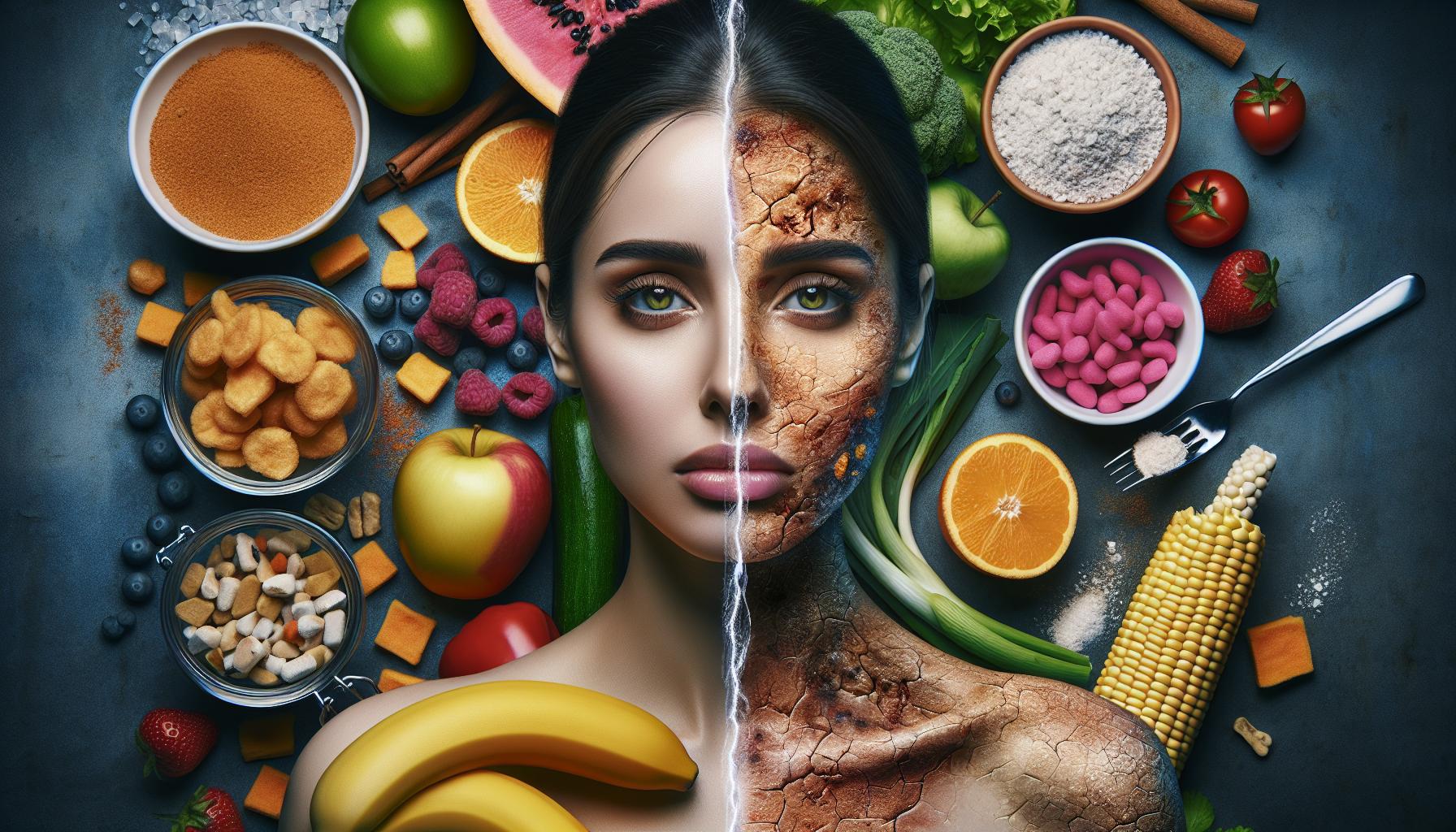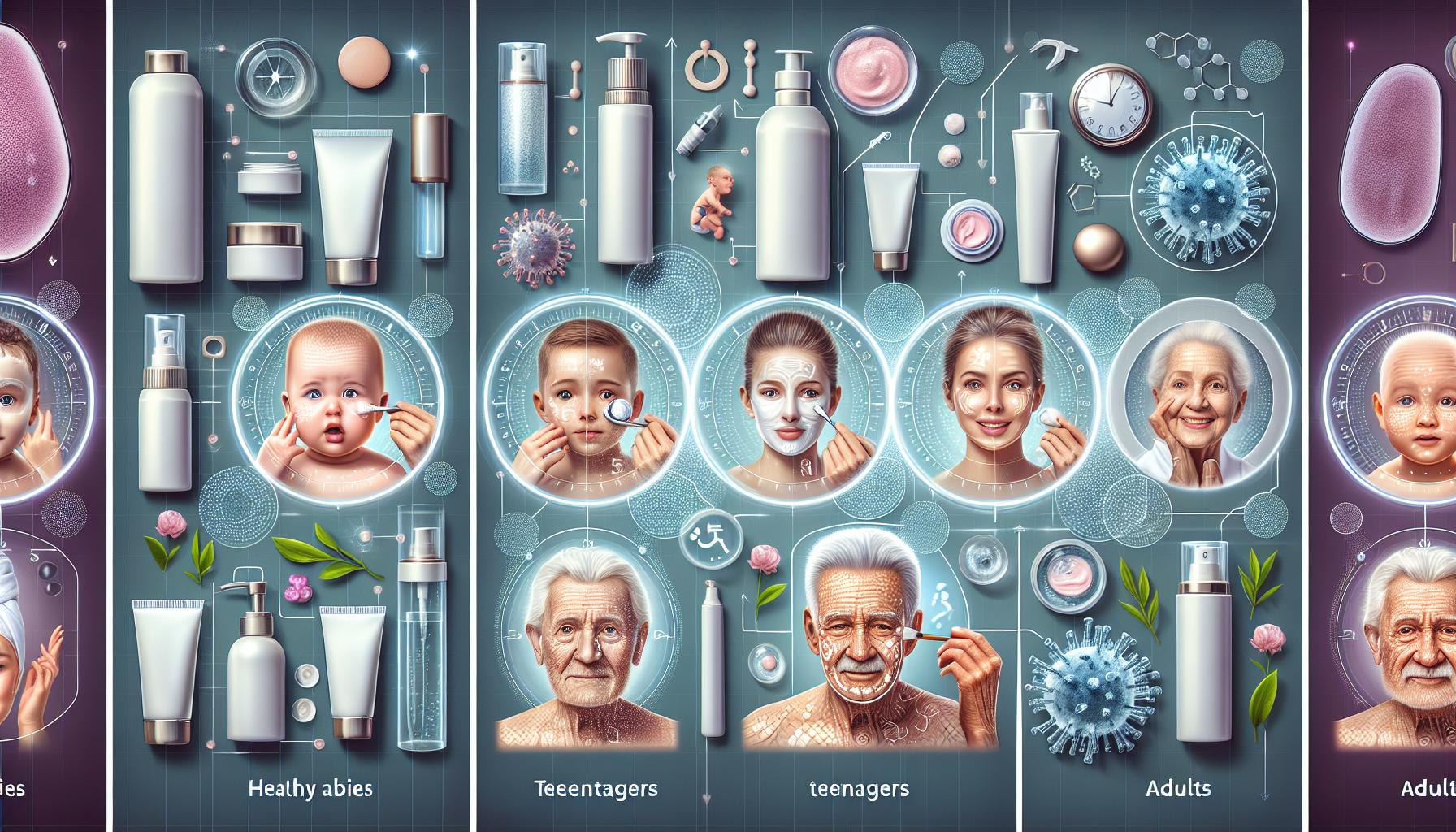
The Importance of Hydration for Skin Health: Myths and Truths
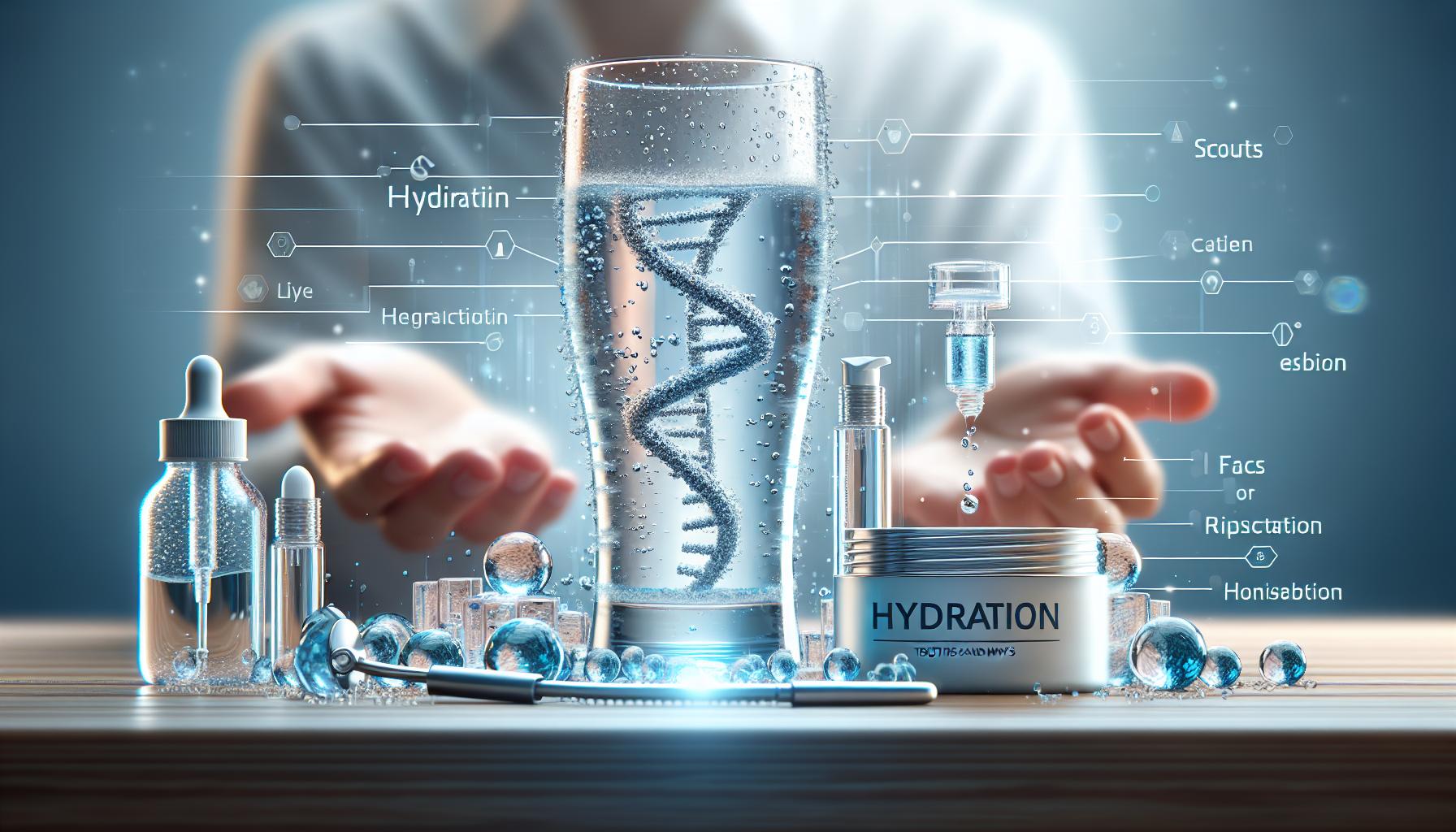
Hydration: Essential for Skin Health
Every day, we are bombarded with advice about hydration and its impact on our overall well-being. But how much of this information is rooted in fact, especially when it comes to our skin?
Many people believe that drinking water alone is the key to achieving radiant skin. However, the truth is much more nuanced. The skin is the body’s largest organ, and its health is influenced by numerous factors ranging from diet to environmental conditions. Understanding how hydration affects our skin requires a deeper dive into both common myths and the accompanying truths.
Debunking Common Myths
- Myth: Drinking more water instantly plumps up your skin.
- Truth: Skin hydration is not solely dictated by water intake. Factors such as environmental humidity play a significant role. For instance, people living in areas with low humidity may find their skin becoming dry regardless of their water consumption. The use of topical products, such as moisturizers and hydrating serums, also contributes to the skin’s ability to retain moisture effectively.
- Myth: All skin types require the same level of hydration.
- Truth: Hydration needs can vastly differ across skin types. For example, someone with dry skin may benefit from heavy creams that lock in moisture, while individuals with oily skin may prefer lightweight, oil-free gels that won’t clog their pores. Knowing your skin type is essential in choosing the appropriate hydration strategy.
- Myth: Only water counts as hydration.
- Truth: Hydration can also come from foods, especially fruits and vegetables high in water content. Foods such as cucumbers, oranges, and strawberries are not just delicious but also contribute to overall hydration levels. Incorporating these foods into your diet can supplement your fluid intake and improve skin health.
The Bigger Picture
Understanding these distinctions is crucial for maintaining healthy skin. Hydration is complex and multifaceted. It involves not just drinking adequate water but also how you nourish your skin from the outside in. Quality skincare products, tailored to individual skin types, can significantly augment hydration. For instance, products containing hyaluronic acid can attract moisture to the skin, making them an excellent choice for those needing extra hydration.
As we dig deeper into this topic, we will uncover what effective hydration truly means and how to apply it in practical ways. Knowing how to balance your hydration, considering both internal and external factors, can lead to not just better skin but overall improved wellness. By debunking common misconceptions and focusing on a holistic approach to hydration, individuals can achieve their skin health goals more effectively.
DISCOVER MORE: Click here to enhance your skincare game
Hydration Myths that Need Debunking
Understanding hydration is vital for anyone interested in skincare. Many folks believe that simply drinking more water will yield miraculous results for their skin. However, this isn’t quite the case. Let’s explore some of the more prevalent myths about hydration and uncover the truths that can help boost not only skin health but overall wellness.
How Much Water is Enough?
The idea that a specific amount of water, often rolled out as “eight glasses a day,” is the gold standard is misleading. While hydration needs may vary, several studies suggest that the total water intake should be based on individual health, activity level, and even the environment. For instance, individuals who exercise frequently or live in hot climates may require more fluids due to increased perspiration. On the flip side, conditions like cold weather can also lead to dehydration, as indoor heating systems can suck moisture from the air, affecting your skin’s hydration level.
The Role of Moisturizers
Another common misunderstanding is that moisturizers are only beneficial in humid conditions. The truth is, moisturizers act as barriers to help lock in the moisture that your skin absorbs from water and hydrating foods. Ingredients such as glycerin and hyaluronic acid have the remarkable ability to attract and retain moisture, and therefore selecting the right moisturizer according to your skin type can significantly enhance hydration. Consider incorporating a heavier, cream-based moisturizer if your skin tends to be dry, while opting for lighter, gel-based products if you are prone to oiliness.
Food: An Often Overlooked Ingredient for Hydration
- Myth: Hydration comes exclusively from drinking water.
- Truth: Hydration can also be derived from the foods we eat. Incorporating fruits and vegetables like watermelon, oranges, and carrots can provide additional hydration. These foods are not just packed with vitamins; they also contain water that helps maintain the skin’s moisture levels.
Furthermore, essential fatty acids found in foods such as avocados and nuts can help strengthen the skin’s lipid barrier, making it more resilient to dehydration. In addition to a balanced diet and adequate water intake, being mindful of one’s overall nutrition can yield long-term benefits for the skin.
Stress and Hydration: A Surprising Connection
It’s also crucial to mention that stress management plays a vital role in hydration and, by extension, skin health. When under stress, our bodies release hormones such as cortisol that could compromise skin barrier function, leading to dryness and irritation. Incorporating stress-reduction techniques, such as meditation or regular exercise, can create a ripple effect that improves not only mental health but also physical appearances.
As the narrative surrounding hydration evolves, moving beyond mere water consumption to a holistic view of skin health becomes essential. The interplay between what we drink, what we eat, and how we care for our skin is a captivating dance that deserves exploration.
The Second Part: Delving Deeper into Hydration Myths
When discussing the significance of hydration for skin health, it is crucial to address the numerous myths that permeate popular belief. One widely held notion is that drinking excessive amounts of water directly leads to improved skin elasticity and texture. While hydration is essential, the direct correlation between water intake and skin appearance is not as straightforward as many think. Factors such as diet, environment, and skincare routines play significant roles. The skin can often receive adequate hydration from within, provided that it is supplemented by a balanced diet rich in fruits and vegetables.Another misconception is that hydration solely pertains to water intake. In reality, other beverages and foods contribute significantly to overall hydration levels. For example, fruits like watermelon and cucumber contain high water content and can be excellent alternatives to plain water. Additionally, dermatologists recommend topical hydration methods, such as moisturizers, serums, and masks, which can effectively enhance skin hydration. The truth is that everyone’s skin responds differently to hydration techniques. For instance, individuals with oily skin may require less water intake but could benefit more from water-based moisturizers that do not overwhelm their complexion. This nuanced approach to hydration highlights the importance of personalized skincare routines based on specific skin types and concerns.To further emphasize the truth about hydration, consider the importance of consuming essential fatty acids, such as omega-3 and omega-6. These nutrients are not only vital for overall health but also aid in maintaining the skin’s lipid barrier, which plays a critical role in retaining moisture. Foods such as fish, flaxseeds, and walnuts are fantastic sources of these fatty acids.Understanding these myths versus truths about hydration will not only empower you to make informed decisions regarding your skincare routine but also foster a sustainable approach to achieving healthy, radiant skin. As we continue, examining the impact of environmental factors on skin hydration and the ways to protect our skin will provide invaluable insights into maintaining skin health in our daily lives.
| Myth | Truth |
|---|---|
| Drinking excessive water improves skin health. | Skin hydration depends on a mix of dietary and environmental factors. |
| Hydration only comes from drinking water. | Fruits, veggies, and topical products also contribute significantly to hydration. |
By unpacking these myths and truths, you can better understand the complex relationship between hydration and skin health, providing a foundation for your skincare practices and diet.
DISCOVER MORE: Click here to learn about the benefits of antioxidants
Exploring the Science Behind Skin Hydration
While debunking myths surrounding hydration, it’s crucial to delve into the scientific underpinnings that explain how hydration profoundly affects skin health. The interconnected nature of hydration, skin structure, and function is a fascinating area that showcases the importance of maintaining adequate fluid levels for radiant skin.
The Skin Barrier: A Protective Shield
The outermost layer of our skin, known as the stratum corneum, is essential for protecting against environmental aggressors and preventing water loss. When the skin is well-hydrated, this barrier functions optimally, ensuring that moisture is retained and harmful agents are kept at bay. Conversely, when hydration is lacking, the stratum corneum loses its structural integrity, leading to visible signs of aging, such as fine lines and increased susceptibility to irritation.
Research shows that trans-epidermal water loss (TEWL)—the process by which moisture evaporates from the skin—is significantly higher in dehydrated skin. A study published in the *Journal of Investigative Dermatology* found that individuals with lower skin hydration levels are more prone to conditions such as eczema and dermatitis, underlining the importance of staying hydrated for optimal skin conditions.
The Impact of Age and Lifestyle
As we age, our skin’s natural ability to retain moisture diminishes. Factors like hormonal changes, environmental exposures, and lifestyle choices can exacerbate this decline. For instance, sun exposure and smoking can damage collagen and elastin—two proteins that contribute to the skin’s firmness and elasticity. By focusing on hydration, both internally through fluid intake and externally via moisturizing products, individuals can mitigate some of these aging effects.
Hydration and Skin Conditions
A variety of skin conditions are directly influenced by hydration levels. For example, psoriasis, a chronic autoimmune disorder, can lead to dry and flaky patches on the skin. Research has indicated that maintaining hydration can alleviate symptoms and reduce the frequency of flare-ups. In a clinical trial, patients who increased their fluid intake saw a marked improvement in their skin’s appearance and overall health.
Furthermore, acne, often misunderstood, is affected by hydration as well. Dehydrated skin can produce excessive oil in an attempt to compensate for the lack of moisture, leading to clogged pores and breakouts. Ensuring an appropriate hydration level can aid in balancing oil production, subsequently helping manage acne-prone skin.
Hydration’s Role in Skin’s Natural Repair Process
The skin is constantly repairing itself, and adequate hydration plays a vital part in this process. When the skin is hydrated, it can better absorb topical treatments and nutrients that facilitate healing. For example, a study in the *American Journal of Clinical Dermatology* revealed that better-hydrated skin significantly enhances the absorption of topical retinoids, which are widely used for anti-aging and acne treatment. This reinforces the idea that hydration is not just about drinking water; it’s about supporting the skin’s healing ability.
Ultimately, replacing faulty assumptions with factual insights about hydration can empower individuals to make informed choices that positively impact their skin health. Understanding the science behind hydration offers a clearer path to achieving and maintaining skin that glows with vitality.
DISCOVER MORE: Click here to enhance your morning routine
Conclusion: Embracing the Truth about Hydration
As we’ve explored throughout this article, the connection between hydration and skin health is both profound and essential. It’s important to dispel common myths, such as the belief that drinking excessive amounts of water alone can reverse skin issues. Instead, it is the overall balance of hydration—both internal and external—that plays a crucial role in maintaining skin vitality. Staying hydrated not only supports the skin barrier but also enhances the skin’s natural ability to repair itself, making it resilient against environmental damage and signs of aging.
Moreover, understanding how aging, lifestyle factors, and skin conditions are influenced by hydration allows for a more holistic approach to skincare. For many, addressing hydration can lead to significant improvements in conditions like eczema, psoriasis, and even acne. This knowledge empowers individuals to manage their skin health more effectively by incorporating appropriate hydration practices into their daily routines, whether that’s through increased fluid intake, diligent use of moisturizers, or adopting habits that support skin integrity.
In our fast-paced society, it’s easy to overlook the fundamentals of skin health. However, when we shift our perspective to recognize the true importance of hydration, we unlock a natural pathway to achieving radiant, healthy skin. By embracing this truth and making informed choices, we can cultivate not only our skin’s appearance but also its overall health. Therefore, let hydration be Your skin’s best friend, ensuring that you reveal a glowing complexion for years to come.