
The Truth About Natural Makeup: Product Assessment and Sustainability
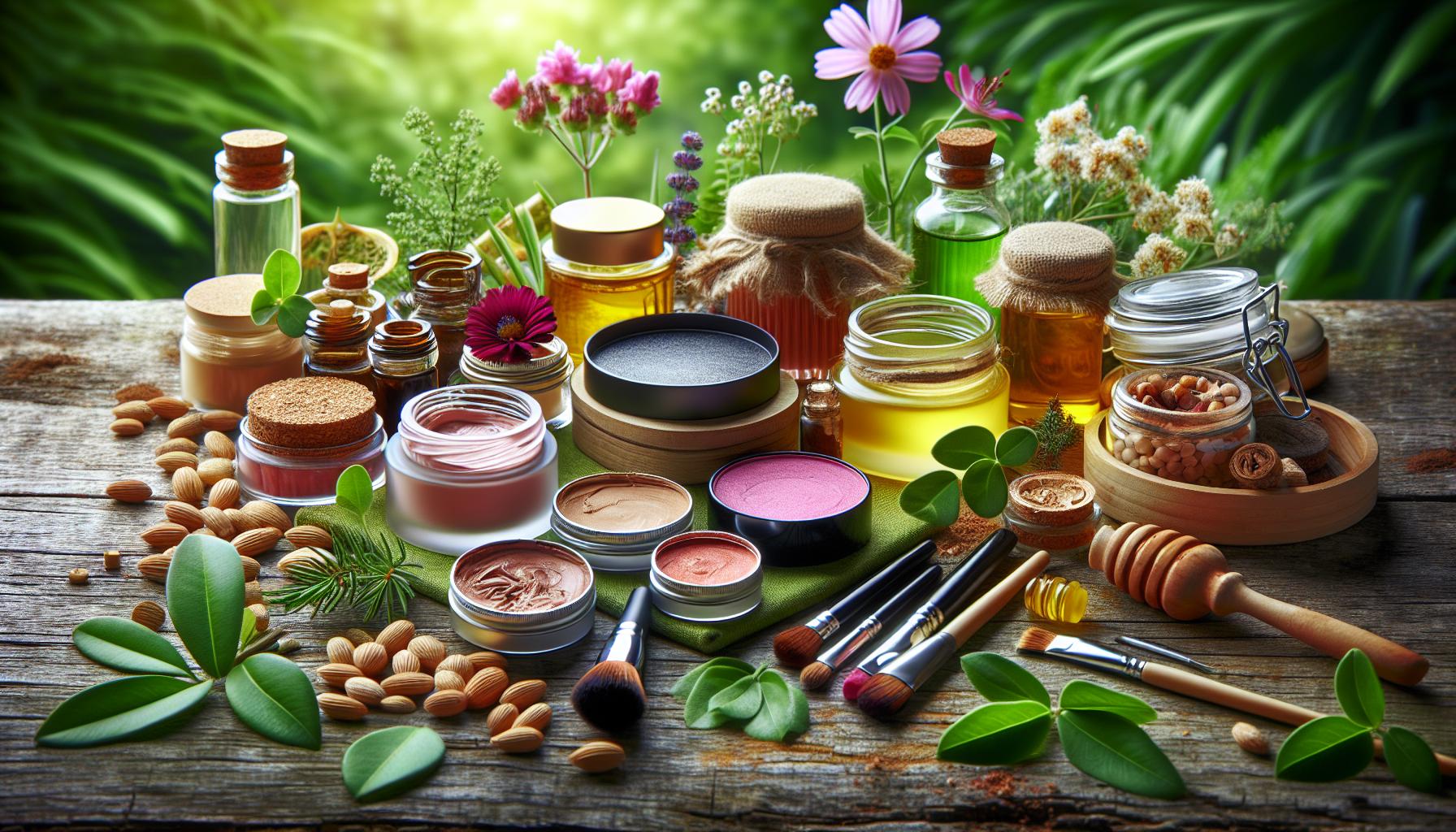
The Growing Appeal of Natural Makeup
In an age of heightened awareness about beauty products, the allure of natural makeup is hard to ignore. Many consumers are drawn to the promise of clean ingredients, environmental consciousness, and health benefits. But how do these products truly stack up when it comes to performance and sustainability?
The beauty industry has long been dominated by conventional makeup brands that rely heavily on synthetic ingredients and extensive marketing campaigns. However, with increased access to information and a greater understanding of the potential risks associated with certain chemicals, a shift towards natural alternatives has become evident. The demand for products that not only enhance beauty but also align with personal values has spurred innovation in this sector.
Understanding the Ingredients
At the core of the natural makeup movement lies a focus on ingredients. Consumers are more informed than ever and often scrutinize product labels before making a purchase. Natural formulations frequently feature plant-based components such as shea butter, essential oils, and mineral pigments, which are known for their nourishing properties. For instance, shea butter serves as an excellent moisturizer and is rich in vitamins A and E, while essential oils can provide subtle fragrances and additional skin benefits. By opting for products that prioritize these natural ingredients, buyers not only contribute to their personal health but also support sustainable farming practices that protect biodiversity.
Evaluating Effectiveness
Despite the appeal of natural formulations, consumers often wonder about their effectiveness compared to traditional makeup. Do they provide long-lasting coverage? Are the pigments vibrant enough? Fortunately, many natural brands have made significant strides in overcoming these challenges. For example, products like mineral foundations and organic blushes deliver impressive staying power and color payoff, often using innovative techniques to ensure that they perform well throughout the day. Brands such as RMS Beauty and Bite Beauty have garnered attention for creating high-performance products without compromising their natural ethos, often receiving rave reviews from makeup artists and consumers alike.
Assessing Sustainability
Sustainability is another critical factor driving the natural makeup trend. As consumers demand greater transparency, brands are reevaluating what it means to be environmentally friendly. This includes investigating sourcing practices, opting for biodegradable packaging, and adopting clean production processes that minimize waste and carbon footprints. Brands like Tarte and 100% Pure are at the forefront, showcasing their commitment to ethical practices by using responsibly sourced ingredients and eco-friendly packaging solutions. Such efforts not only resonate with the environmentally conscious consumer but also reflect a broader shift within the industry towards sustainable business models.

The beauty industry in the United States is undergoing a transformation, and natural makeup products are at the forefront of this shift. The growing demand for transparency is pushing brands to reassess not just what’s in their products but also how they impact the planet. With consumers actively seeking products that reflect their values, the pressure for brands to adapt is higher than ever.
Conclusion
This article will delve deeply into the world of natural makeup, assessing the ingredients, examining brand ethics, and exploring how these factors contribute to sustainability. Join us as we uncover the truth about natural makeup and its role in fostering a more responsible approach to beauty. As the market continues to evolve, both consumers and brands are likely to benefit from prioritizing health, performance, and eco-friendliness in the beauty landscape.
DISCOVER MORE: Click here to learn about hydration’s impact on your skin
Decoding the Natural Makeup Claims
The popularization of natural makeup has given rise to an abundance of products proclaiming to be free from harmful chemicals and filled with earth-friendly ingredients. However, this surge also presents a challenge for consumers trying to navigate the beauty aisles. Not all products labeled as “natural” are created equal, and understanding these claims is vital for making informed choices. The Food and Drug Administration (FDA) does not have a formal definition for “natural,” leaving companies with varied interpretations of what constitutes a natural ingredient.
Many brands use this ambiguity to their advantage, opting for marketing buzzwords that appeal to the eco-conscious consumer. To bring clarity to this confusion, examining a few key factors is crucial:
- Sourcing: Where do the ingredients come from? Are they sustainably harvested from organic farms, or do they originate from mass-produced sources?
- Processing: Does the brand follow environmentally friendly manufacturing practices? Are the processes renewable and non-toxic?
- Transparency: How openly does the company disclose its ingredients? Do they provide detailed information about their sourcing and production methods?
The Role of Certifications
In the pursuit of authenticity, consumers are increasingly turning to certifications as a trusted guide for natural makeup products. Certifications such as USDA Organic, Ecocert, and Leaping Bunny serve to validate a product’s claims while promoting ethical practices. For example, a product with a USDA Organic certification ensures that at least 95% of its ingredients are organic and free from synthetic fertilizers and pesticides.
However, it’s important to note that while certifications can help assure quality, they are not foolproof. Various companies may choose not to pursue certification due to the costs or lengthy processes involved, yet they may still maintain high ethical standards. Thus, consumers are encouraged to delve deeper by doing their own research through reviews, social media feedback, and environmental impact reports.
Consumer Education and Awareness
As consumers, the responsibility falls upon us to educate ourselves about the products we choose to use. Researching brands dedicated to sustainability not only empowers buyers but also prompts brands to maintain transparency and ethical practices. Consumer activism has been instrumental in pushing companies towards adopting greener practices, thereby shaping the future of the beauty industry.
This empowerment begins with understanding commonly used myths and misconceptions about natural makeup. For instance, many believe that natural makeup products are inherently safer than conventional products; however, safety depends on the specific ingredients and individual skin sensitivities. Consequently, while exploring natural options, it is wise to perform patch tests and consult dermatological experts as needed.
The undeniable truth about natural makeup lies not only in the ingredients but in consumers’ ability to critically evaluate what they put on their skin. By remaining informed and actively questioning the practices behind the products, consumers hold the power to influence positive change within the beauty industry.
| Category | Advantages |
|---|---|
| Health and Safety | Natural makeup products are typically free from harmful chemicals, making them safer for daily use. |
| Environmental Impact | These products often use sustainable sourcing and biodegradable packaging, reducing the overall carbon footprint. |
Natural makeup has gained significant attention, particularly as consumers become more aware of the implications of their choices. An essential factor to consider is the health and safety of the ingredients used in these products. By opting for natural options, you are less likely to expose your skin to irritants and synthetic fillers, enhancing your beauty routine creatively and healthily. Furthermore, these products often contain nourishing ingredients such as vitamins and minerals that promote skin health.Moreover, the environmental impact of makeup choices cannot be understated. Many brands committed to sustainability focus on eco-friendly production processes, ensuring that their products not only look good but also do good for the planet. This includes opting for renewable resources, supporting ethical farming practices, and utilizing recyclable packaging. Consumers are increasingly finding that their makeup choices can reflect their values, leading to a growing demand for transparency in product sourcing. By choosing natural makeup, not only do you express your unique beauty, but you also contribute to a cleaner, more sustainable future.
DISCOVER MORE: Click here to learn about the benefits of antioxidants for your skin</
The Environmental Impact of Natural Makeup
When it comes to sustainability, the environmental impact of natural makeup extends beyond ingredients. The entire lifecycle of the product, from sourcing to disposal, plays a significant role in determining its eco-friendliness. It’s essential to understand these factors, as they can greatly influence the overall sustainability narrative.
Packaging Considerations
One of the often-overlooked aspects of makeup sustainability is packaging. Even if a product boasts organic ingredients, if it comes in non-recyclable plastics or excessive packaging, its environmental benefits can be significantly diminished. Many brands now prioritize eco-conscious packaging, utilizing materials like glass, bamboo, or recycled plastics. Brands such as 100% Pure and RMS Beauty have made commitments to reduce their packaging waste and provide options that consumers can recycle or compost.
Moreover, there is a growing movement toward refillable packaging, allowing consumers to purchase new product refills instead of completely new packaging. This approach not only minimizes waste but can also reduce costs in the long run. As you navigate the makeup aisles, consider opting for brands that champion such sustainable practices, making them part of your commitment to an eco-friendly lifestyle.
The Benefits of Local Sourcing
Another important consideration is the sourcing of ingredients. Many natural makeup brands emphasize local sourcing to minimize their carbon footprint. Products made from locally-sourced ingredients reduce the need for extensive transportation, thereby lowering greenhouse gas emissions. Regions in the U.S., such as California, are prime examples of local sourcing, as they boast an abundant variety of organic botanicals.
Investing in brands that support local farming not only promotes community economies but also ensures fresher ingredients. For example, brands like Honeybee Gardens prioritize local ingredients from organic suppliers, which contributes to their sustainability ethos. Understanding these sourcing choices enables consumers to make conscious decisions that contribute positively to local ecosystems.
Evaluating Claims: Greenwashing vs. Genuine Sustainability
The term “greenwashing” describes a company’s superficial or misleading claims about the eco-friendliness of its products. As consumers, it’s critical to differentiate between authentic commitment to sustainability and mere marketing tactics. To identify genuine sustainability, look for detailed information about ingredient sourcing, production practices, and third-party certifications.
For instance, brands that transparently share their supply chain information and environmental impact metrics are likely more dedicated to true sustainability. Tools such as the Environmental Working Group’s Skin Deep database can help consumers scrutinize product safety and environmental implications, enabling informed choices regarding personal beauty routines.
Staying Informed and Engaging in Advocacy
As the natural makeup industry evolves, staying informed about new sustainable practices and emerging brands is imperative. Engaging with community forums, attending eco-friendly beauty events, or participating in online discussions can connect consumers with like-minded individuals and brands championing sustainable practices. This engagement fosters a community committed to advocating for continued industry change.
As the demand for natural makeup increases, so too does the pressure on companies to adhere to environmental responsibilities. By remaining curious and questioning, consumers can help steer the beauty industry towards a more sustainable future, encouraging brands to be transparent and accountable.
DIVE DEEPER: Click here to discover the perfect skincare night routine
Conclusion: Navigating the Natural Makeup Landscape
As consumers become increasingly aware of the environmental impacts of their choices, the landscape of natural makeup presents an opportunity for both beauty and sustainability. This evolving industry underscores the importance of not only examining ingredient lists, but also evaluating the entire product lifecycle—from sourcing and packaging to the brand’s overall commitment to sustainability. Choosing makeup products that are consciously created and responsibly packaged can significantly reduce environmental footprints.
Moreover, understanding the difference between greenwashing and true sustainability is paramount. By prioritizing brands that transparently share their practices, consumers can support genuine efforts that seek to protect our planet. Tools such as the Environmental Working Group’s Skin Deep database empower shoppers to make informed decisions, while local sourcing helps foster community economies and reduces carbon emissions associated with long-distance transportation.
Ultimately, the journey toward a more sustainable makeup routine is not solely about brands making promises; it’s about fostering awareness and accountability among consumers. By engaging with eco-friendly practices and advocating for transparency, we become advocates for change within the beauty industry. As the demand for natural makeup continues to rise, so does our collective responsibility to ensure that sustainability remains at the forefront of this dynamic market. Together, we can pave the way for a greener, more beautiful future.