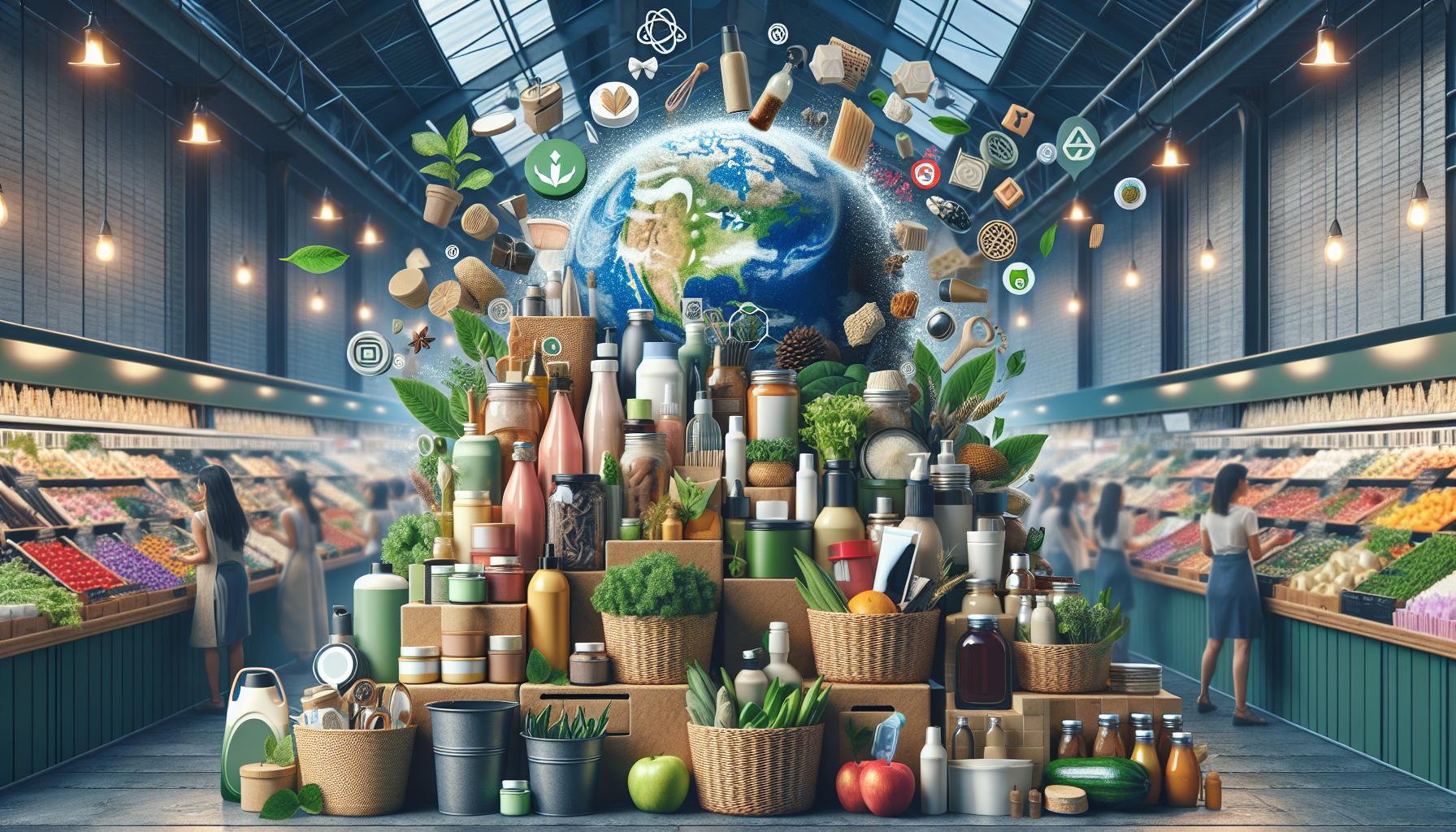
The Rise of Sustainable Beauty Products: Trends and Innovations
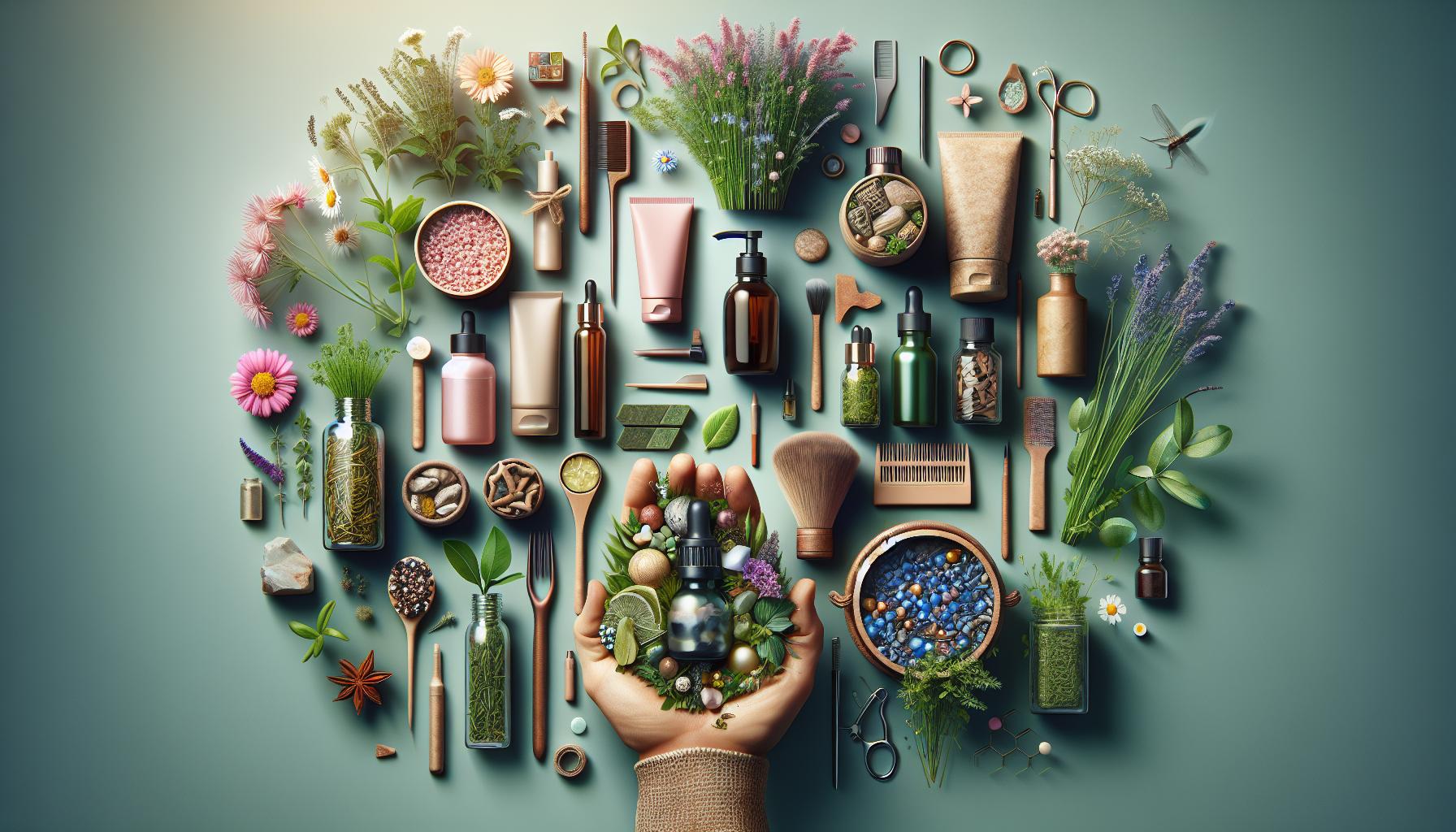
Emerging Trends in the Beauty Industry
The beauty industry is undergoing a profound and exciting transformation, marked by a shift towards sustainability that is changing how consumers interact with their favorite products. As environmental issues gain traction globally, more consumers are opting for eco-friendly products that reflect their values, triggering brands to innovate and refine their offerings. This change is not only about beauty; it’s about responsibility and the conscious choices consumers are willing to embrace.
Key Trends Shaping Sustainable Beauty
Several significant trends are now defining the landscape of sustainable beauty. One major trend is the movement toward clean ingredients. Consumers are increasingly scrutinizing labels, seeking formulations enriched with natural components free from potential toxins or harmful chemicals. Brands like Beautycounter and Herbivore Botanicals are at the forefront, ensuring their products are crafted with ingredients that are safe for both people and the planet.
Minimalist packaging is another crucial trend transforming the industry. Many brands are now opting for packaging made from recyclable or biodegradable materials. Companies like Lush have made notable strides in this area, offering “naked” products that bypass packaging altogether. This minimalist approach not only reduces waste but also appeals to consumers seeking simplicity in their beauty choices.
Transparency has also become essential, with brands sharing details about their sourcing and manufacturing processes. This openness fosters trust; brands like Origins and Tatcha provide insight into their ingredient origins and the ethical practices they employ, addressing the concerns of modern consumers who demand accountability.
Innovations Driving Sustainable Beauty
Innovation is abundant in the sustainable beauty sector, with groundbreaking concepts gaining traction. For instance, biodegradable palettes are emerging as a viable option for environmentally conscious makeup lovers. These palettes not only minimize waste but also decompose naturally, alleviating the burden on landfills.

Additionally, the introduction of refillable containers represents a significant change in consumer behavior. Brands like Kjaer Weis lead the way by offering luxurious makeup in refillable cases, encouraging reuse and reducing single-use waste. This trend not only appeals to eco-conscious shoppers but can also enhance the overall aesthetic experience of beauty products.
Moreover, sustainable sourcing has become a priority for many brands. Ingredients are increasingly derived from eco-conscious farms and bio-labs that focus on responsible cultivation methods, enhancing both product quality and ecological integrity. This commitment to sustainable sourcing can be observed in brands that prioritize partnerships with farmers and suppliers, ensuring that each component of their products is sourced transparently and ethically.
A Future Built on Values
These trends and innovations in the beauty industry invite consumers to make informed decisions that reflect their values. As more companies align their missions with sustainability, there is a greater opportunity for individuals to engage with brands that not only promote personal care but also contribute positively to the planet. Understanding the rise of sustainable beauty products empowers consumers to choose wisely and advocate for a healthier, more environmentally friendly future.
As interest continues to grow, it is evident that the sustainable beauty movement is not merely a passing trend; it represents a fundamental shift in how the beauty industry operates and how consumers will shape it in years to come.
DISCOVER MORE: Click here for age-specific skin care tips
Navigating the Shift Towards Sustainability
The movement towards sustainable beauty is not merely a trend; it’s a revolution that is re-defining the parameters of consumer choices in the beauty industry. As environmental consciousness rises, consumers are more informed and intentional about their beauty purchases. This change is reflected in their demand for products that prioritize formulation integrity, ethical sourcing, and minimal environmental impact.
Consumer Awareness and Preference
Today’s consumers are navigating the aisles with a fresh perspective, bringing a discerning eye to their beauty routines. The rise of social media and online platforms has enabled immediate access to information, making customers more aware of the ingredients used in beauty products and their environmental repercussions. Many are shunning traditional products in favor of those that reflect a commitment to ethical practices. Some of the most notable trends among eco-conscious consumers include:
- Demand for Cruelty-Free Products: More shoppers are insisting that their cosmetics be free from animal testing, driving brands to opt for cruelty-free certifications.
- Preference for Vegan Ingredients: There’s a growing interest in products that do not contain any animal derivatives, prompting brands to explore plant-based alternatives.
- Support for Local and Small Brands: Consumers are increasingly gravitating towards smaller, local companies that emphasize artisanal production and sustainability over mass-market products.
This shift in preference is influencing established beauty brands to respond proactively. For instance, giants like L’Oréal and Unilever are integrating sustainable development goals into their corporate strategies, reflecting a broader acknowledgment of the necessity to shift towards greener practices.
Technological Advances Enhancing Sustainability
Innovation is a key player in the realm of sustainable beauty. New technologies are emerging that not only enhance product efficacy but also aim to reduce waste and conserve resources. One notable innovation is the use of lab-grown ingredients, such as bioengineered collagen and plant stem cells, which promise high-performance results while minimizing the ecological footprint associated with extraction and harvesting. Brands like Eucerin have begun incorporating these sophisticated ingredients, showcasing the potential for science to deliver sustainable outcomes.
Furthermore, the concept of circular beauty is gaining momentum, emphasizing a product life cycle that includes reuse and recycling. Companies are exploring ways to take back used products through take-back programs, encouraging customers to return packaging in exchange for rewards. This not only incentivizes consumer participation but also works towards creating a closed-loop system that benefits the environment.
A Collective Responsibility
The evolution towards sustainable beauty is not limited to consumer trends and technological innovations; it also requires collaboration across the industry. Retailers, manufacturers, and consumers must unite in their commitment to sustainability. The rise of sustainable beauty products highlights the interaction between personal beauty rituals and the broader ecological footprint we leave behind.
As the beauty industry continues to traverse this critical path, the responsibility lies with consumers to stay informed and demand changes that align with their values. By choosing sustainable options, every purchase becomes a statement—an advocacy for a cleaner, greener future. This holistic approach transforms the beauty landscape, inviting both innovation and accountability as central tenets of the industry’s new era.
The Rise of Sustainable Beauty Products: Trends and Innovations
In recent years, the beauty industry has undergone a significant transformation, prioritizing sustainability in response to growing consumer demand. This shift has resulted in innovative solutions that cater to eco-conscious consumers without compromising on quality or effectiveness. As we delve deeper into this trend, we can observe various categories of sustainable beauty products that stand out for their environmental initiatives and commitment to social responsibility.
| Category | Details |
|---|---|
| Biodegradable Packaging | Utilizing materials that break down easily in the environment reduces waste and pollution. |
| Cruelty-Free Products | Ensuring no animal testing is involved in product development appeals to ethical consumers. |
These categories not only enhance the appeal of beauty products but also signify a shift in consumer values towards environmental consciousness. As brands invest in biodegradability and cruelty-free practices, they’re not just selling a product; they’re promoting a lifestyle that prioritizes both beauty and sustainability. This growing emphasis on ethical sourcing and natural ingredients fosters innovation in formulation and packaging, resulting in a harmonious blend of beauty and eco-friendliness. Consumers can explore a rich landscape of options, from organic makeup to refillable skincare, making informed choices that resonate with their values. As the trend continues to evolve, it’s clear that sustainable beauty is not just a passing fad; it represents a transformative shift towards a more responsible industry.
DIVE DEEPER: Click here to unlock the secrets of Argan oil
Innovations in Sustainable Packaging
As consumers increasingly prioritize sustainability, the packaging of beauty products has become a focal point for innovation. Conventional beauty packaging has been notorious for its reliance on non-biodegradable materials, primarily plastics, which contribute to global waste challenges. In response, brands are pivoting towards sustainable packaging solutions that align with eco-friendly practices. This shift has seen the introduction of materials such as biodegradable bioplastics, recycled glass, and aluminum, which not only minimize environmental impact but also resonate with environmentally-conscious consumers.
Brands like Seed Phytonutrients are leading the charge by utilizing post-consumer recycled paper for their containers, which are further designed to be compostable or recyclable. This commitment to sustainability extends beyond the product itself, signaling to consumers that the company is serious about reducing waste. Moreover, companies like Aveda are re-utilizing their packaging materials, pioneering the concept of refillable beauty products. This not only reduces waste but also fosters customer loyalty, as consumers appreciate the option of refilling instead of discarding.
The Rise of Clean Beauty Certifications
As the clean beauty movement gains traction, certifications are emerging as a critical indicator of product integrity. While the term “clean beauty” lacks a standardized definition, various organizations are stepping up to establish guidelines for transparency and safety. Certifications such as the EWG Verified™ and Leaping Bunny Certification are becoming increasingly essential for brands aiming to authenticate their commitment to health and sustainability. These certifications assure consumers that products meet stringent guidelines related to harmful chemicals, animal testing, and environmental impact.
Many brands are now proudly displaying these certifications on their packaging, making it easier for informed consumers to make responsible choices. For instance, Beautycounter, a brand known for its advocacy for stricter beauty regulations, emphasizes its “Never List”—a roster of over 1,500 ingredients that they promise never to use. This transparency is reflective of the growing consumer appetite for trust and knowledge when it comes to their beauty products.
Personalization Meets Sustainability
Innovation in sustainable beauty also lies at the intersection of personalization and eco-friendliness. The rise of bespoke beauty products has allowed consumers to curate their own beauty regimens based on individual needs and preferences. Some brands, like Function of Beauty and Proven Skincare, leverage technology and AI to deliver customized formulations that reduce unnecessary ingredients and packaging waste.
This model not only caters to consumer desires for tailored solutions but also helps minimize product waste—a growing concern among environmentally conscious shoppers. By reducing the number of products that don’t meet customer needs, brands can contribute to a more sustainable beauty environment. Additionally, the opportunity for refillable systems in custom beauty products further enhances their eco-friendly offering.
Community Engagement and Ethical Practices
Another significant trend within sustainable beauty is the commitment to community engagement and ethical sourcing practices. Brands are beginning to recognize the importance of the communities they impact, often investing in local sourcing initiatives, fair trade practices, and partnerships with organizations supporting environmental conservation. For example, companies like Kiehl’s have committed to sourcing ingredients sustainably while also giving back by engaging in various outreach programs.
This practice not only contributes to an overall more sustainable model but also resonates with consumers who seek to make a positive impact through their purchasing decisions. Brands that prioritize ethical business practices are finding their audience willing to pay a premium for products that align with their values.
DISCOVER MORE: Click here to learn how to choose the best sunscreen
Conclusion: Embracing a Sustainable Future in Beauty
As we navigate the landscape of beauty, the rise of sustainable beauty products marks a pivotal shift in consumer preferences and industry practices. What was once a niche concept has blossomed into a comprehensive movement, driven by the values of transparency, ethical sourcing, and environmental responsibility. With innovations in eco-friendly packaging and personalized formulations, brands are not only appealing to the desires of today’s mindful consumers but are also taking concrete steps to address pressing global challenges associated with beauty consumption.
The emergence of clean beauty certifications sets a new standard for accountability, providing consumers with the confidence they need to make informed choices. As brands adopt these certifications, they showcase a commitment that goes beyond profit margins, resonating with consumers who prioritize trust and integrity. Coupled with an increasing emphasis on community engagement and ethical practices, it becomes clear that beauty can indeed be sustainable, inclusive, and socially responsible.
In conclusion, the journey towards a more sustainable beauty industry is far from over. It invites continuous exploration and engagement with innovative solutions and ethical practices. As consumers, we hold the power to drive this change forward by supporting brands that align with our values. The future of beauty is bright, and it is one that champions not only personal well-being but also the health of our planet.