The Evolution of Skin Care Products: Innovative Ingredients and Technologies

Exploring Transformations in the Skin Care Industry
As the beauty industry evolves, it’s clear that skin care is embracing an era defined by scientific advances and consumer awareness. This evolution is characterized by a profound interest in innovative ingredients and practices that prioritize efficacy and responsibility. Today’s consumers are not merely buying products; they are engaging in a thoughtful selection process that aligns with their values and needs.
Biotechnology in Skin Care
One of the most exciting frontiers in skin care is biotechnology. This approach leverages living organisms and biological systems for product development. For instance, brands like Amorepacific utilize fermented green tea to create *anti-aging serums* packed with antioxidants. This fermentation process enhances the ingredient’s potency, allowing for superior absorption and effectiveness. By harnessing natural resources in smart and innovative ways, biotechnology not only bolsters the power of traditional ingredients but also paves the way for sustainable practices.
The Role of Active Ingredients
Consumers are increasingly enlightened about the benefits of active ingredients. Ingredients such as hyaluronic acid, known for its incredible moisture retention properties, are frequently featured in hydrating gels and moisturizers. Similarly, retinoids have become staples in anti-aging treatments, helping to reduce the appearance of fine lines and promote cell turnover. Peptides, on the other hand, are vital for stimulating collagen production, making them essential in combating sagging skin. Products infused with these components often boast clinical backing, providing users with the reassurance that they are investing in scientifically validated solutions.
The Shift Towards Personalization
The trend towards personalization is also reshaping the skin care landscape. With advancements in technology, brands can now analyze customers’ skin types and concerns, delivering customized formulations. Companies like Curology allow users to receive tailored prescriptions based on skin analysis. This shift signifies a move away from the one-size-fits-all approach, empowering consumers to find products that resonate with their unique skin needs.
A New Era of Consumer Awareness
Given this landscape, the transformation in skin care also reflects a larger shift in consumer expectations. Transparency has become a key demand among shoppers. Today’s consumers want to know not just what is in their products, but also where these ingredients come from and how they were sourced. Brands that are open about their ingredient transparency and production processes foster trust and loyalty.
- Sustainability: Eco-friendly packaging initiatives, such as refillable containers and biodegradable materials, are gaining traction as consumers become eco-conscious.
- Inclusivity: Brands are increasingly launching products for diverse skin tones and types, ensuring that everyone finds formulations that cater to their specific needs.
As we continue to navigate this transformative period in skin care, it becomes clear that these advancements are not merely cosmetic but represent a significant evolution in consumer empowerment and choice. The industry is moving toward a more informed, science-based, and ethically mindful future, urging consumers to engage more deeply with the products they apply on their skin.
DIVE DEEPER: Click here to discover the power of Vitamin C for your skin
Pioneering Trends in Skin Care Science
The intersection of science and beauty has never been more vibrant, with skin care products embracing a multitude of innovative ingredients and cutting-edge technologies. As consumers become more discerning, they seek formulations that not only promise results but are also rooted in rigorous scientific research. This demand has spawned a wealth of new materials and methods that redefine effective skin care.
Plant-Based Powerhouses
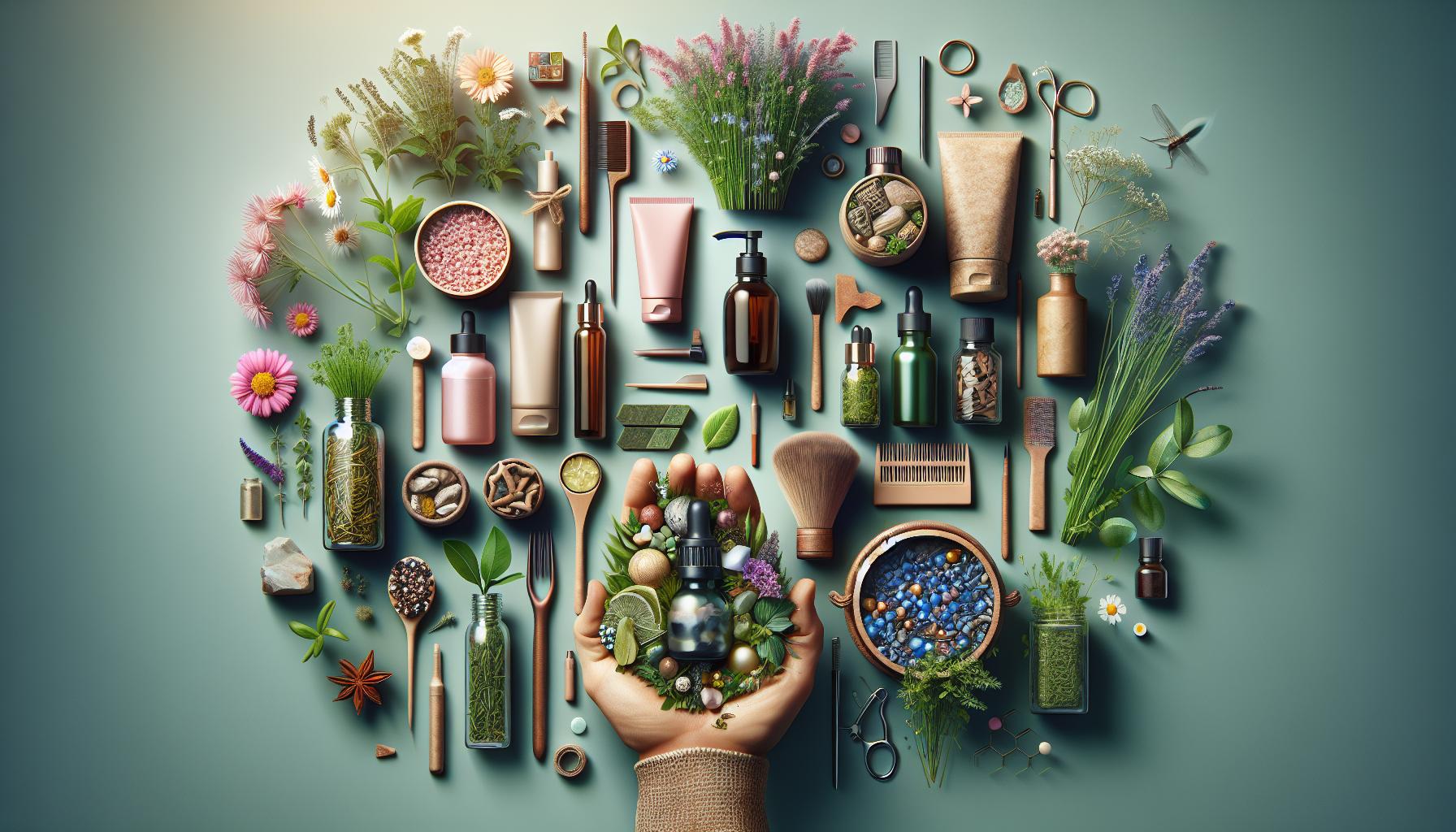
One of the most noteworthy trends in contemporary skin care is the rise of plant-based ingredients. Natural oils, botanical extracts, and herbal compounds are gaining traction, with many brands embracing the potential of nature to enhance skin health. For instance, ingredients like cica, or tiger grass, known for its skin-soothing properties, are now common in formulations designed to reduce redness and irritation. Marula oil, extracted from the nuts of the Marula tree in Southern Africa, is celebrated for its high concentration of fatty acids and antioxidants, effectively hydrating and nourishing the skin.
Smart Technology
The innovation does not stop at the ingredients themselves. Advances in technology are yielding fascinating outcomes. Techniques such as nanotechnology have permitted brands to create ultra-fine particles that enhance the penetration of active ingredients. An example of this is in products containing encapsulated retinol, which allows for more controlled release and reduced irritation. This smart delivery system ensures consumers receive the full efficacy of ingredients with fewer side effects, signaling a significant advancement in skin care delivery methods.
Emergence of Clean Beauty
The clean beauty movement further exemplifies the shift towards conscientious consumption. Consumers are increasingly opting for products that are free from harmful chemicals, leading to the rise of brands like Beautycounter and Ilia Beauty, which prioritize non-toxic formulations. Ingredients such as parabens, sulfates, and phthalates are being phased out, prompting manufacturers to explore safer alternatives that maintain efficacy without compromising health. This has created a vigorous dialogue about ingredient sourcing and consumer safety, urging brands to adhere to higher standards.
- Plant-derived preservatives: As consumers demand cleaner formulations, natural preservatives like rosemary extract and vitamin E have emerged as effective alternatives to traditional synthetic chemicals.
- Biocompatible ingredients: More brands are incorporating biocompatible substances that work harmoniously with the skin’s natural structure, enhancing acceptability and performance.
- Function-driven products: Consumers now favor products designed for specific needs, such as acne treatment or skin brightening, rather than one-size-fits-all solutions.
The evolution of skin care products encapsulates a vibrant tapestry of advancements that deliver tangible benefits. From harnessing nature’s bounty in innovative ways to prioritizing clean formulas for consumers, the skin care landscape is undergoing a remarkable transformation. As this dynamic industry continues to grow, consumers are encouraged to stay informed and engage with the plethora of options available, ensuring they select products that meet their unique skin care goals.
The Evolution of Skin Care Products: Innovative Ingredients and Technologies
The world of skin care has undergone a remarkable transformation over the last few decades, driven by innovative ingredients and cutting-edge technologies. As consumers have become more informed about their skin’s needs, brands have adapted by developing products that not only address common concerns but also incorporate scientific advancements that enhance efficacy. This section explores some of the most significant trends shaping the future of skin care.
| Category | Description |
|---|---|
| Natural Ingredients | Increased consumer demand for eco-friendly and safe formulations is leading brands to explore plant-based ingredients rich in antioxidants and vitamins. |
| Advanced Delivery Systems | Technologies such as encapsulation and nanotechnology allow active ingredients to penetrate deeper, maximizing their benefits for skin health. |
This evolution not only reflects a greater understanding of the skin’s biology but also highlights the importance of transparency in ingredient selection. Consumers are now more equipped than ever to make knowledgeable choices, steering brands towards innovative formulations that promise to deliver on their claims.
Further exploration into the realm of biotechnology reveals an exciting frontier where genetically modified organisms are used to produce skin care ingredients that enhance safety and sustainability, ensuring that the future of skin care is as responsible as it is effective.
As we delve into this captivating landscape, it’s essential to keep abreast of how these advancements can tailor skin care solutions to individual needs, paving the way for truly personalized care.
DISCOVER MORE: Click here for your ultimate morning skincare routine
Next-Generation Formulations: Customization and Personalization
As skin care consumers become more aware of their unique needs, a shift towards customization and personalization is rapidly gaining momentum. No longer are consumers satisfied with generic products that promise universal benefits; instead, they are on the lookout for tailored solutions designed to address their individual skin types and concerns. Brands are tapping into this demand by offering customizable skin care regimens that leverage detailed assessments and innovative technology.
Data-Driven Skin Care
Advances in technology have birthed a new wave of data-driven skin care. Brands are utilizing artificial intelligence (AI) and machine learning algorithms to analyze customer data and recommend products specifically tailored to their skin’s requirements. For example, platforms like Proven Skin Care employ proprietary algorithms to assess individual skin profiles, allowing consumers to receive personalized skincare sets based on a comprehensive analysis of their skin’s characteristics—from hydration levels to environmental exposure. This tailored approach not only enhances results but also fosters a deeper connection between the consumer and the products they choose.
3D Skin Bioprinting
Looking toward the future, one of the most revolutionary technologies in skin care is 3D bioprinting. This pioneering technique involves creating synthetic skin tissues that replicate the human skin’s properties. With companies like Dermalume leading the charge, this technology aims to simulate skin behavior and response to various skin care ingredients. The potential benefits are immense: researchers can experiment with ingredients on a model that mimics real skin, leading to more effective formulations without the ethical dilemmas associated with traditional testing methods. As this technology matures, it is expected to create products that adapt in real-time to the condition of the skin, fundamentally changing the way consumers interact with skin care.
Microneedling and At-Home Devices
Another transformative trend lies in the category of at-home devices that facilitate professional-quality skin treatments in the comfort of one’s own home. Devices utilizing microneedling, radio frequency, or LED technology provide consumers with powerful tools to boost their skin care routines. For instance, brands like NuFACE offer facial stimulating devices that promote collagen production, while microneedle patches allow for deeper penetration of serums, enhancing the efficacy of topicals. This ability to recreate spa-like treatments has further democratized skin care, making advanced skincare accessible and convenient for a broad audience.
Inclusivity and Diverse Representation
A significant facet of the evolving skin care landscape is an emphasis on inclusivity and diverse representation. Recognizing that skin care needs vary widely across different demographics, brands are increasingly formulating products that cater to a broader range of skin tones and concerns. For example, brands like Fenty Skin have succeeded in creating products that not only address racial and ethnic differences in skin care but do so in an empowering manner that resonates with consumers. This movement towards inclusivity not only enriches the product offerings but also strengthens the community of skin care enthusiasts who feel acknowledged and served.
- Consumer Education: Brands are investing in educating consumers about their skin and the benefits of ingredients through social media and online platforms.
- Sampling Programs: Many companies have adopted sampling strategies, allowing consumers to try products before making a purchase, increasing the likelihood of finding the perfect match.
- Subscription Services: The rise of subscription box services offers curated selections of products tailored to the consumer’s specific skin concerns, delivering new innovations directly to their doorsteps.
The evolution of skin care products continues to be shaped by innovative technologies and a commitment to personal expression. As consumers seek products that align with their values and specific needs, brands must adapt to not merely meet these expectations but to exceed them, contributing to a vibrant dialogue around beauty and self-care.
DISCOVER MORE: Click here to learn about sustainability trends
Conclusion: Embracing the Future of Skin Care
The trajectory of skin care products has been nothing short of remarkable, reflecting a harmonious blend of science, technology, and consumer-driven innovation. As we navigate through an era characterized by rapid advancements, the demand for personalized formulations and innovative ingredients continues to push boundaries. The rise of data-driven skin care, exemplified by AI and machine learning, marks a paradigm shift where products are no longer one-size-fits-all but are tailored to meet the specific needs of individual users. This commitment to customization cultivates a deeper sense of ownership and engagement among consumers, making them active participants in their skin care journey.
Moreover, groundbreaking technologies like 3D bioprinting are set to revolutionize product development, offering unprecedented opportunities to create effective formulations while bypassing ethical concerns associated with traditional testing methods. The advent of at-home devices further democratizes advanced skin care, making professional quality treatments accessible to a wider audience.
Additionally, an important progression within the skin care industry is the push for inclusivity and diverse representation, acknowledging the diverse needs across various demographics and prioritizing solutions that resonate on a personal level. This focus fosters a sense of community and appreciation among users, highlighting the emotional connection inherent in self-care practices.
As we look ahead, it is clear that the future of skin care will continuously be shaped by the dual forces of innovation and individuality. Brands must not only embrace these changes but also engage in ongoing dialogues with consumers to remain relevant and responsive. As a result, the evolving landscape promises not only enhanced skin health but also empowering experiences that celebrate beauty in all its forms.