
Innovations in Skincare: The Impact of Technology on Beauty Trends
Innovations in Skincare
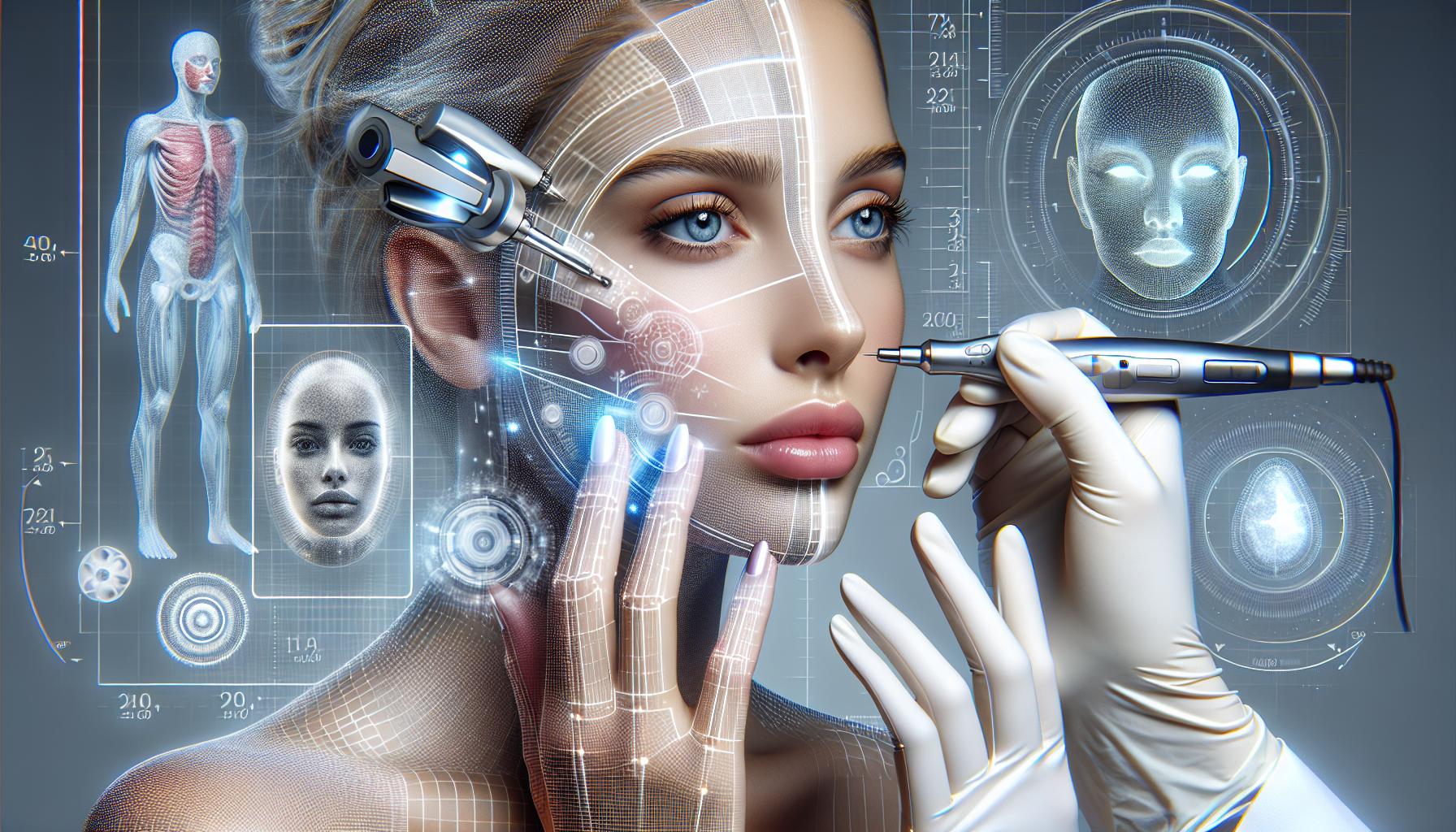
In recent years, the skincare industry has witnessed a revolution spurred by cutting-edge technology. From skin analysis apps to at-home devices that rival spa treatments, innovations are shaping how consumers approach beauty. This fusion of tech and skincare is not merely a trend but a fundamental shift in the way we understand and care for our skin.
Some notable advancements include:
- AI-Driven Skincare Solutions: With brands like Proven and Skinsei, personalized routines can now be created based on an individual’s skin type, concerns, and even lifestyle choices. These platforms utilize artificial intelligence to analyze user data, including environmental factors and personal preferences, to recommend tailored products and regimens. For instance, someone living in a humid climate may receive different recommendations than a user in a dry area, ensuring that their skincare matches real-life conditions.
- At-Home Devices: The emergence of tools like LED masks and microcurrent devices, such as the Foreo UFO or the NuFace Trinity, allows consumers to achieve salon-quality results without leaving their homes. These devices harness advanced technology—like varying wavelengths of light to stimulate collagen production or tiny electrical currents to lift and tone facial muscles. This trend not only provides convenience but also makes high-end treatments more accessible to a broader audience.
- Smart Ingredients: Innovations in ingredient technology have given rise to formulations that adapt to environmental changes and individual skin needs. For example, brands are now incorporating encapsulated vitamins and peptides that release active ingredients gradually, enhancing absorption and effectiveness. These advancements mean consumers can invest in products that actively respond to their skin’s needs throughout the day, optimizing hydration and protection against pollutants.
These technological enhancements are more than just gadgets; they represent a drive towards personalization and accessibility in skincare. The rise of digital consultations and virtual try-ons—highlighted by platforms such as Ulta’s Virtual Beauty Advisor—empowers consumers with information and options like never before. With just a smartphone, users can explore various products and see how they might look on their skin tones before making a purchase, maximizing satisfaction and reducing the chance of wastefulness in beauty spending.
As the landscape of beauty continues to evolve, it challenges traditional norms, encouraging everyone to engage in their skincare journey actively. Consumers are now more informed and equipped to make decisions that cater to their unique skin profiles. This democratization of beauty is reshaping the industry’s future, introducing a realm where personal care is not only routine but also a tailored, immersive experience. With a plethora of options now available, the quest for flawless skin has never been more accessible or exciting.
DISCOVER MORE: Click here to unlock the secrets of skin rejuvenation
Transforming Skincare Through Technology
As the boundary between technology and beauty continues to blur, innovations in skincare are redefining not only how we care for our skin but also how we perceive beauty itself. In an era where information is easily accessible, consumers are taking control of their skincare regimens, thanks in part to advancements that provide deeper insights into skin health. As a result, the skincare market is shifting towards a more data-driven approach, positioning technology as a crucial ally in the pursuit of radiant skin.
One of the most profound shifts has been the rise of smart skincare devices. These gadgets, ranging from handheld skin analyzers to elaborate facial steamers, have entered homes across the United States, offering a new level of convenience and efficacy. Devices like the Dr. Dennis Gross Skincare’s LED Face Mask incorporate light therapy, a treatment once only available in professional settings, to address skin issues such as acne and aging. This democratization of high-tech treatments allows individuals to curate personalized routines that cater to their unique skin needs, often yielding impressive results from the comfort of their own bathrooms.
The appeal of smart skincare devices is not just in performance; it lies in their ability to engage users actively. For instance, the MySkin app measures and analyzes various skin parameters and offers product recommendations based on the analysis. Each user can track changes over time, helping them understand their skin’s evolving needs. This element of gamification not only fosters loyalty to specific brands but also encourages users to remain proactive about their skincare journeys.
As technology advances, virtual consultations have become an integral part of the skincare experience. Consumers can now access licensed dermatologists and skincare experts from the comfort of their homes. Tele-dermatology platforms like Dermatica provide customized skincare prescriptions, allowing individuals to receive professional care without the barriers of traditional consultations. This is particularly significant in the United States, where access to skincare specialists can be limited by geography and long wait times.
Moreover, the use of augmented reality (AR) is transforming retail experiences for consumers. Retailers like Sephora have embraced AR technology through apps that allow users to try on products virtually before purchasing. By implementing features that showcase how different makeup shades would look on them, customers feel more empowered and informed about their choices. This not only enhances the shopping experience but also reduces the likelihood of returns and minimizes waste, aligning with a growing commitment to sustainability in the beauty industry.
Ultimately, these innovations signify a shift towards more personalized, efficient, and accessible skincare solutions. The integration of technology into beauty routines is indicative of a larger cultural movement that values individualism, where skincare is no longer a one-size-fits-all approach but rather a tailored experience. As consumers continue to seek products that resonate with their personal stories, the role of technology in skincare will undoubtedly expand, promising exciting developments in the years to come.
| Category | Key Features |
|---|---|
| Personalized Skincare Solutions | Utilization of AI and skin analysis tools for tailored regimens |
| Advanced Ingredients | Innovations in formulations enhancing effectiveness and absorption |
In the realm of skincare innovations, the introduction of personalized skincare solutions stands at the forefront, leveraging cutting-edge technology to offer bespoke regimens that cater specifically to individual skin types and concerns. These solutions often incorporate advanced artificial intelligence and skin analysis tools to recommend products that are most suitable for the user’s unique complexion. For example, AI-driven platforms analyze skin conditions through simple selfies, resulting in tailored recommendations that enhance the overall effectiveness of skincare routines.Additionally, skincare formulations have seen transformative advancements due to the incorporation of advanced ingredients. These innovative formulations utilize new technologies to enhance the delivery and absorption of active ingredients, leading to superior treatment outcomes. Brands are now developing products that incorporate smart delivery systems to ensure that beneficial compounds penetrate deeply into the skin layers effectively, adding to the potency of products previously considered standard. These developments position consumers at the zenith of skincare science, promising results that are not only evident but also revolutionary. As technology continues to evolve, the future of skincare remains bright and full of possibilities.
DISCOVER MORE: Click here to learn about the value of clean beauty makeup
The Rise of AI-Driven Solutions in Skincare
As we delve deeper into innovations in skincare, the role of artificial intelligence (AI) becomes increasingly significant. AI technology is revolutionizing not only product formulation but also how consumers interact with their skincare routines. With platforms leveraging AI algorithms, users can now receive more accurate recommendations tailored to their skin type and concerns. Skincare companies like Proven Skincare utilize AI to analyze vast databases of skin-related data, including scientific research and customer reviews, which allows for the creation of products that specifically target individual skin issues.
Another compelling advancement comes from the incorporation of machine learning in ingredient analysis. For example, brands such as SkinCeuticals are deploying AI to create formulations that adapt as the user’s skin changes over time. This technology not only enhances the effectiveness of the products but also elevates the personalization aspect, making it a crucial component of modern skincare.
Chatbots and Virtual Assistants: Personalized Support at Your Fingertips
Beyond product recommendations, chatbots and virtual assistants are emerging as valuable resources in the skincare landscape. These AI-driven tools can guide consumers through their skincare routines, answering queries related to product usage, ingredients, and even troubleshooting common skin issues. Platforms such as Oil & Water offer personalized advice based on user input, streamlining the decision-making process and enabling informed choices.
The integration of virtual assistants in skincare is indicative of a consumer-centric approach, where brands strive to foster deeper connections with their customers. This real-time support not only enhances the user experience but also instills confidence in the purchasing process, ultimately leading to increased brand loyalty.
The Impact of Social Media and Influencer Culture
Social media has also become a pivotal player in shaping beauty trends thanks to rapid technological advancements. Platforms like Instagram and TikTok are rife with beauty influencers showcasing the effectiveness of innovative products in real-time. The rise of social commerce has led to an increased demand for transparency and authenticity, driving brands to share not only their product benefits but also their scientific backing.
AR filters have further amplified this trend, allowing users to visualize how products look on their skin before making a purchase. Brands are capitalizing on user-generated content, where customers post their skincare routines alongside product reviews. This shift towards peer endorsements over traditional advertising is reshaping consumer trust and credibility within the skincare industry.
Facial Recognition Technology: A New Era of Skin Analysis
Additionally, the introduction of facial recognition technology into skincare regimens marks a groundbreaking approach to skin assessment. Devices equipped with this technology analyze skin conditions at a granular level, evaluating everything from pore size to pigmentation irregularities. By collecting quantitative data, brands can create more specialized products to cater to these unique skin types. Companies like Shiseido are pioneering this field, providing comprehensive insights that guide consumers toward optimal skincare options.
As we continue navigating through these innovations, it’s clear that technology is not just a tool but a transformative force reshaping the skincare landscape. With a focus on AI, social media influence, and real-time data applications, the future of skincare promises to provide solutions that are more effective, personalized, and accessible than ever before.
DIVE DEEPER: Click here to discover the latest innovations
Conclusion: Embracing the Future of Skincare
In conclusion, the innovations in skincare fueled by technological advancements are creating a seismic shift in the beauty industry. The integration of artificial intelligence, machine learning, and facial recognition technology is not only enhancing product personalization but also empowering consumers to make informed choices. With brands utilizing these cutting-edge technologies, we are witnessing a trend towards greater efficacy and tailored solutions that cater to the unique needs of every skin type.
The impact of social media and the prevailing influencer culture cannot be underestimated either. As beauty enthusiasts turn to platforms like Instagram and TikTok for recommendations, the demand for transparency and authenticity continues to rise. This cultural shift encourages brands to engage in a more meaningful dialogue with their customers, thereby strengthening trust and loyalty.
As we look to the future, the importance of a data-driven approach cannot be overlooked. By leveraging insights from user interactions and product performance, skincare companies will be able to continuously innovate and refine their offerings. Ultimately, the fusion of technology and beauty heralds a new era where skincare isn’t just about surface-level solutions, but a comprehensive understanding of individual needs.
The potential for rapid evolution in this sector is boundless, encouraging consumers to stay curious and proactive about their skincare choices. As we embrace these exciting developments, the beauty industry tips towards a more inclusive and effective horizon, making innovation the cornerstone of skincare in the years to come.