The Evolution of Skincare Routines: Beauty Trends That Transform the Skin

Understanding the Modern Skincare Revolution
The evolution of skincare routines reflects a significant change in consumer attitudes toward beauty and wellness. Gone are the days of merely washing the face and applying a basic moisturizer. Consumers today are increasingly aware that their choices can greatly affect both their skin health and environmental sustainability. This awakening has led to a skincare revolution characterized by innovative ingredients, ethical practices, and personalized approaches.
Ingredient Awareness
One of the most compelling aspects of this transformation is the heightened understanding of ingredients in skincare products. For instance, retinol, a derivative of vitamin A, has gained popularity as a powerhouse for combating signs of aging such as fine lines and wrinkles. Consumers are now more likely to research the benefits of key ingredients before integrating them into their routines. Similarly, hyaluronic acid is celebrated for its moisture-retaining properties, appealing especially to those with dry skin. Vitamin C, known for its brightening effects, is another hot favorite for those looking to achieve a luminous complexion.
Sustainability and Ethics
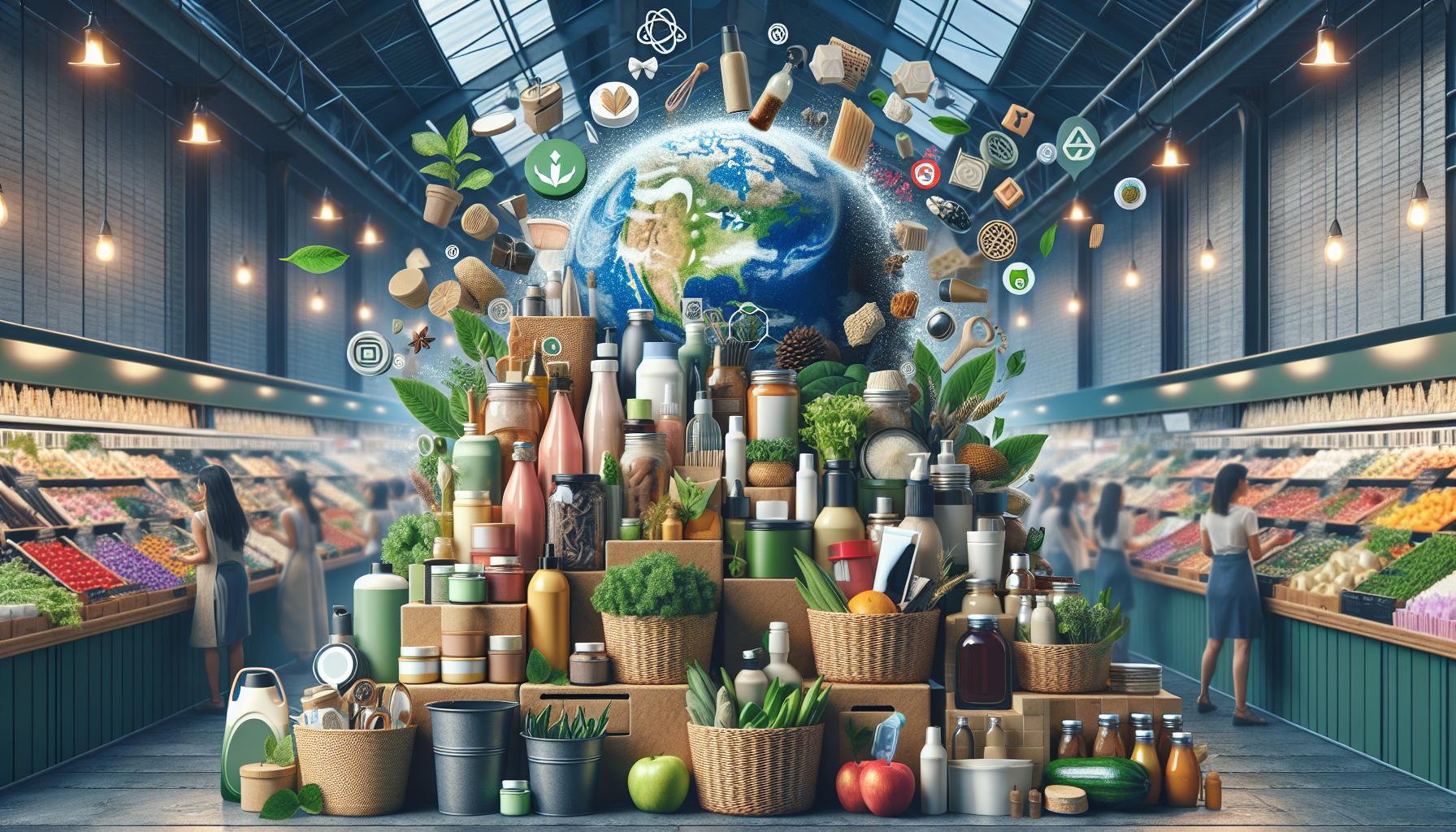
As awareness regarding climate change and ethical consumerism grows, so does the demand for sustainable and ethical skincare products. Brands that prioritize eco-friendly practices, such as reducing plastic waste or sourcing ingredients responsibly, are gaining traction. In the United States, notable brands like Tula and Youth to the People have adopted sustainable packaging and transparent sourcing practices, resonating with environmentally-conscious consumers. Furthermore, the rise of cruelty-free brands, which do not test on animals, aligns with the social movement advocating for animal rights. This shift emphasizes the notion that beauty should not come at the expense of ethical considerations.
Personalization in Skincare
Another remarkable aspect of modern skincare is the trend toward personalized routines. Recognizing that every skin type and concern is unique, many brands have begun to offer customizable skincare products tailored to individual needs. Technologies such as skin analysis apps and online consultations with dermatologists make it easier for consumers to find the perfect products. By embracing personalized solutions, consumers can address specific issues like acne, sensitivity, or hyperpigmentation more effectively.
The Influence of Social Media and Clean Beauty
The rise of beauty influencers on platforms like Instagram and TikTok has also played a pivotal role in shaping modern skincare trends. These influencers often share their skincare journeys, routines, and product recommendations, inspiring audiences to explore new options. Alongside this, the clean beauty movement has gained momentum, promoting formulations free from harmful chemicals and synthetic additives. Brands like Beautycounter lead the charge in advocating for greater transparency and safety in beauty products, encouraging consumers to make informed choices.
In conclusion, the transformation in skincare routines reflects a larger cultural shift towards prioritizing health, sustainability, and individuality. With greater awareness and innovation at the forefront, consumers are empowered to craft effective routines that not only enhance their appearance but also contribute positively to their overall well-being and the environment. The journey of exploring skincare is an exciting one, rich with possibilities for achieving radiant and healthy skin.
DISCOVER MORE: Click here to dive into minimalist makeup trends
Innovative Technologies in Skincare
The skincare landscape is continuously evolving, not only due to consumer awareness but also through groundbreaking technologies. From at-home devices that promise salon-quality treatments to the emergence of artificial intelligence in skincare recommendations, technological advancements are reshaping how we approach skincare. The ability to access professional-grade treatments from the comfort of our homes has never been more accessible, creating an unprecedented fusion of wellness and convenience.
At-Home Device Revolution
The recent influx of at-home skincare devices marks a significant milestone in personal care. Gadgets such as LED masks, microcurrent devices, and ultrasonic scrubs have become ubiquitous, appealing to beauty enthusiasts eager to streamline their routines. Studies indicate that LED light therapy can reduce acne and improve skin texture by targeting inflammation and promoting collagen production. Meanwhile, microcurrent devices claim to rejuvenate the skin by mimicking the body’s natural electrical signals, offering a non-invasive facelift effect. These tools not only enhance results but also provide a sense of empowerment to users, allowing them to take their skincare into their own hands.
Artificial Intelligence and Personalization
The marriage of artificial intelligence (AI) with skincare has revolutionized the way consumers find products suited to their unique needs. Many brands have started employing AI technology to analyze user data and skin conditions, offering customized recommendations that were previously reserved for professional consultations. For example, apps like SkinVision assist in identifying skin concerns through image recognition, guiding users to effective products tailored to their specific issues. This level of personalization ensures that consumers are not only purchasing products based on trends but based on science, thereby increasing the efficacy of their routines.
Beauty Beyond the Surface: Holistic Approaches
As skincare develops, a notable trend has emerged, emphasizing the importance of a holistic approach to beauty. This philosophy recognizes that nutrition, mental health, and lifestyle play crucial roles in achieving healthy skin. The idea that ‘you are what you eat’ resonates profoundly with consumers, spurring interest in supplements that improve skin health from within. For instance, collagen peptides and omega fatty acids have surged in popularity, as research suggests they contribute to skin elasticity and hydration. Moreover, the rising popularity of mindfulness practices like meditation and yoga reflects a growing acknowledgment that stress management can improve skin vitality. A truly comprehensive skincare routine goes beyond topical applications, integrating a lifestyle that nurtures both the skin and the soul.
Exploring Trends: A Dynamic Landscape
The evolution of skincare routines is marked not only by advancements in technology and knowledge but also by a dynamic array of trends that capture consumer interest. As society shifts its focus towards a more informed, thoughtful approach to skincare, identifying and understanding these trends becomes essential. Here are some current trends transforming the skincare landscape:
- Waterless Products: Innovations in formulations, such as oil cleansers and balm moisturizers, are becoming popular as brands shift towards sustainability.
- Multi-Functional Products: Creams and serums that combine several benefits into one formula, streamlining routines for busy lifestyles.
- Probiotic Skincare: Harnessing the power of beneficial bacteria to restore the skin’s natural microbiome balance and enhance its barrier function.
- Minimalist Routines: Advocating for the “less is more” philosophy, focusing on quality over quantity of products used.
In summary, the trends shaping modern skincare routines reveal a fascinating interplay of technology, individuality, and holistic well-being. Consumers are now more equipped than ever to make informed choices, achieving exceptional results while embracing a routine that speaks to their personal values and lifestyle needs.
As the landscape of skincare continues to evolve, several transformative beauty trends have emerged, reshaping how individuals approach their skincare routines. One of the most significant shifts has been the move towards customized skincare solutions. Consumers are now seeking products tailored to their specific skin types, concerns, and environmental factors. This trend underscores the desire for personalization, with brands offering quizzes and consultations to guide customers toward optimal product combinations. By using skin analysis technology and unique formulations, individuals can tackle issues like aging, dryness, and hyperpigmentation more effectively.Another innovative trend is the integration of technology into skincare routines. Through the advent of beauty apps and device-assisted treatments, users have unprecedented access to skincare information and management. Devices such as facial cleansing brushes and LED masks are gaining popularity, providing professional-level results at home. This fusion of technology with self-care not only enhances efficacy but also adds an element of convenience. The rise of augmented reality (AR) in skincare allows users to virtually try products before purchasing, making informed decisions while reducing product waste.Sustainability has also become a pivotal theme in the evolution of skincare routines. Rethinking ingredient sourcing and packaging methods, brands are increasingly adopting eco-friendly practices. This movement emphasizes the importance of protecting not just the skin but also the environment. Consumers are now looking for sustainable alternatives, such as refillable packaging and plant-based formulations, aligning their beauty routines with their values. By prioritizing sustainability, these brands are not just transforming skin health but also fostering a more responsible approach to beauty.Finally, embracing the concept of skinimalism has revolutionized how individuals view skincare. This trend promotes a minimalist approach, focusing on fewer products with multifunctional benefits instead of overwhelming regimes. By prioritizing skin health over heavy makeup, consumers are leaning into the idea that less is more. This shift allows the skin to breathe, flourish, and truly transform, championing natural beauty and self-acceptance in an era dominated by constantly changing beauty standards.With these trends paving the way for the future of skincare, it is exciting to consider how they will continue to evolve, providing new avenues for individuals to enhance their skin health and beauty rituals. Each innovative approach not only addresses the unique needs of diverse skin types but also opens the door for deeper exploration into the relationship between self-care and overall wellness.
DISCOVER MORE: Click here for minimalist makeup trends
Climate-Conscious Skincare: The Green Revolution
In recent years, the beauty industry has witnessed a surge in sustainability and eco-friendliness as part of evolving skincare routines. Consumers are becoming more mindful of the ingredients they apply to their skin and the impact of their purchases on the planet. The rise of clean beauty brands, which prioritize non-toxic and responsibly sourced ingredients, demonstrates a growing demand for products that are both effective and environmentally friendly.
Ethical Sourcing and Cruelty-Free Trends
The skincare community is increasingly advocating for ethical sourcing and cruelty-free products. Shoppers are now seeking brands that are transparent about their sourcing practices, particularly with foundational ingredients like oils and extracts that originate from sensitive ecosystems. Companies such as Tatcha and Youth to the People emphasize sustainable practices, often sharing the stories behind the ingredients they use. Additionally, the rise of cruelty-free certifications positively impacts consumer choices, encouraging people to invest in brands that do not test on animals. A study published in the journal of *Sustainability* highlighted that 54% of consumers prioritize cruelty-free products, indicating a significant shift in purchasing habits.
Biodegradable and Refillable Packaging
The green revolution extends beyond product formulations to packaging innovations that minimize environmental impact. Brands are now utilizing biodegradable materials and offering refillable options that reduce waste. For example, brands like L’Occitane and Kiehl’s have introduced refill stations, allowing customers to replenish their favorite products while significantly reducing packaging waste. According to a recent market analysis, the refillable beauty market is projected to reach $5.4 billion by 2025. Such statistics reflect the increasing urgency for brands to adopt sustainable practices and cater to eco-conscious consumers.
The Rise of Skinimalism
Another trend that speaks to the pursuit of a simplistic and natural approach to skincare is the movement known as skinimalism. This philosophy encourages users to embrace their natural skin while minimizing the number of products used. The idea is to focus on products that enhance rather than mask the skin, steering individuals away from heavy makeup and towards nourishing, minimalistic routines. Beauty influencers across social media platforms have popularized this trend, emphasizing that a healthy glow can be achieved through fewer, high-quality products. Research from the American Academy of Dermatology supports this notion, citing that overuse of products can lead to irritation and compromised skin barriers.
Expert Collaborations and Dermatologist-Approved Lines
As knowledge about skin health expands, there is also a marked shift towards the co-creation of skincare products with dermatologists and skincare experts. These collaborations yield formulations grounded in scientific research, addressing specific skin conditions such as acne, rosacea, or hyperpigmentation. Brands like SkinCeuticals and CeraVe have gained recognition for their dermatologist-backed credibility, promoting consumer confidence in their efficacy. Targeting diverse skin needs is allowing consumers to tailor their routines more precisely, thus achieving transformative results that resonate with their skin’s unique barriers.
The evolving landscape of skincare routines highlights an intriguing interplay between sustainability, ethical practices, and scientific innovation. As consumers become more discerning, they are likely to continue exploring trends that not only enhance beauty but also reflect their values and understanding of skin health.
DISCOVER MORE: Click here to learn about social media’s influence on skincare trends
Conclusion: Reflecting on the Evolution of Skincare Routines
In summary, the evolution of skincare routines underscores a dynamic intersection of sustainability, ethical practices, and scientific advancements that shape today’s beauty landscape. As consumers become more knowledgeable and conscientious about their choices, trends such as skinimalism and the demand for cruelty-free products reflect a broader societal shift towards valuing both efficacy and environmental responsibility. The drive for biodegradable and refillable packaging signifies a movement in the beauty industry to reduce its ecological footprint, aligning with consumers’ desires for greener options.
Moreover, collaborations with dermatologists and skincare experts enhance product credibility, allowing individuals to personalize their routines to fit diverse skin needs. This scientific approach reassures consumers, enabling them to confidently embrace changes in their beauty practices. As we look forward, the ongoing dialogue around skincare reflects not just a commitment to beauty, but also an aspiration to contribute positively to the world. The journey of evolving skincare not only transforms the skin but also encourages a deeper connection between individuals and the brands they support.
As the landscape continues to shift, consumers are empowered to explore these trends more deeply, engaging with brands that resonate with their values. The future of skincare is set to not only beautify but also to promote a healthier planet, redefining what it means to care for our skin and the world around us.