Comparative Analysis of Popular Moisturizers: Drugstore vs. High-End Options
Understanding Your Options
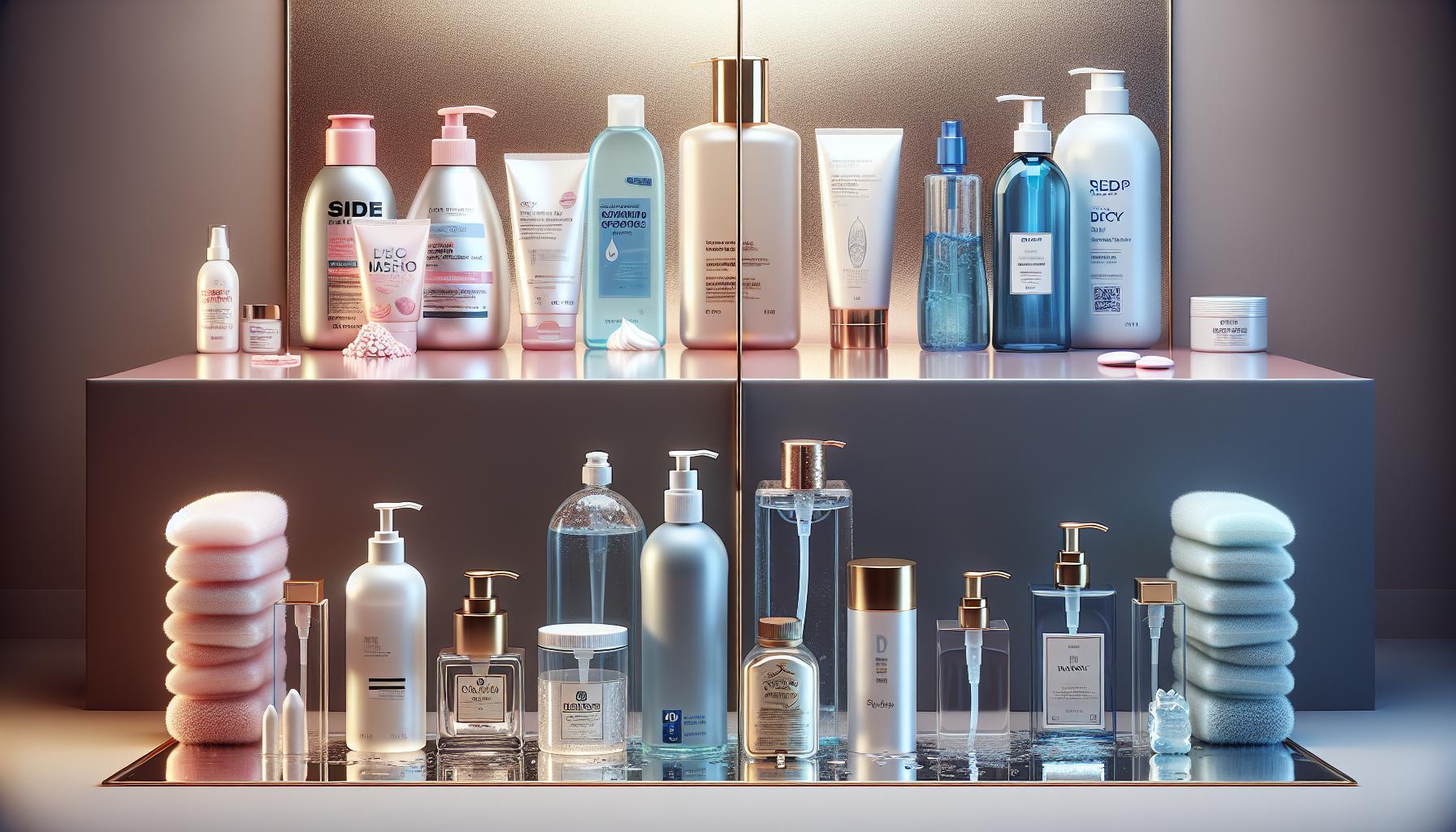
Navigating the skincare aisle can be overwhelming, especially with the myriad of choices available. With some drugstore moisturizers priced as low as $5 and high-end options starting at $50, understanding the differences becomes crucial in making an informed decision. After all, your skin deserves the best care possible, regardless of your budget.
Ingredients Matter
When it comes to ingredients, drugstore brands such as Cetaphil and Neutrogena often provide time-tested formulations. These moisturizers typically include components like glycerin and hyaluronic acid, which are known for their hydrating properties. For example, Neutrogena’s Hydro Boost line features hyaluronic acid, a powerful humectant that draws moisture to the skin, making it a popular choice among budget-conscious consumers seeking effective hydration.
On the flip side, luxurious brands often claim to utilize exclusive or rare ingredients that promise heightened efficacy. For instance, La Mer’s famous Crème de la Mer includes sea kelp, which is believed to be rich in minerals that nourish the skin. These brands position themselves as offering more than just hydration; they market their products as transformative experiences that go beyond basic skincare.
Price vs. Performance
The price range is another critical factor in your decision-making process. While drugstore moisturizers can deliver effective results for $5 to $30, the high-end market can range from $50 to several hundred dollars. The question often arises: is the higher price tag justified? Many consumers find great results with drugstore options, but some may feel that investing in high-end products leads to better long-term results, especially if they have specific skin concerns, such as aging or hyperpigmentation.
Individual Efficacy
Efficacy is highly individual, as skin types differ vastly from person to person. For instance, individuals with dry skin might prefer a rich cream that offers intense moisture, which some high-end moisturizers provide, while others with oily or combination skin may thrive using lightweight, gel-based products readily available at drugstores. It’s important to recognize what works best for your unique skin type and concerns. Consulting skincare professionals or doing patch tests can guide your choices effectively.

Finding Your Perfect Match
As you explore this spectrum of moisturizer options, it’s beneficial to keep an open mind. Try to avoid dismissing drugstore liners simply because of lower prices and, conversely, don’t assume that a higher cost guarantees superior results. Emphasizing the consideration of ingredients, price, and efficacy, you can navigate the maze of moisturizers strategically. Your perfect match may be waiting on the shelf at your local drugstore, or perhaps it lies in the luxury aisle—either way, informed exploration will enhance your skincare regimen.
Conclusion
Understanding these crucial aspects of choosing moisturizers will not only enhance your immediate skincare routine but also empower you in your overall skincare journey. Knowing what ingredients benefit your skin, understanding the price points and weighing individual efficacy are essential steps in finding the right product for your needs. Ultimately, whether you uncover a hidden gem among drugstore favorites or indulge in a high-end treat, the key lies in thoughtful exploration and personal experience.
DISCOVER: Click here to learn about the latest minimalist makeup trends
Decoding Formulations: Understanding Ingredients
When it comes to selecting the right moisturizer, ingredients serve as the foundation for assessing performance and suitability. Drugstore moisturizers like CeraVe and Aveeno have garnered a loyal following due to their scientifically-backed formulas, often crafted with dermatologist input. These brands frequently highlight crucial skin-benefiting components such as ceramides, glycerin, and niacinamide. For instance, CeraVe’s Moisturizing Cream contains ceramides that are instrumental in restoring the skin barrier, especially appealing to individuals with sensitive or dry skin.
Conversely, high-end moisturizers often differentiate themselves through the inclusion of rare or luxurious ingredients. Brands such as Dr. Barbara Sturm and Caudalie prioritize botanicals and exotic plant extracts, which can enhance hydration while providing additional skin benefits. For example, Dr. Sturm’s Anti-Aging Face Cream features purslane, an ingredient renowned for its antioxidant properties. While luxury brands may tout these unique ingredients, it’s important to remember that efficacy can vary widely among individuals.
Key Ingredients to Consider for Effective Moisturization
- Hyaluronic Acid: A powerful humectant that attracts moisture from the environment, ideal for all skin types.
- Ceramides: Essential for maintaining the skin barrier, crucial for those with dry or sensitive skin.
- Glycerin: A common yet effective hydrating agent that draws moisture into the skin.
- Niacinamide: Known for its anti-inflammatory properties, beneficial for acne-prone or aging skin.
- Peptides: Often found in high-end brands, they promote collagen production, aiding skin firmness and elasticity.
With respect to texture and absorption, drugstore brands often present lightweight, gel-based options that absorb quickly, perfect for daytime use and layering beneath makeup. In contrast, high-end options might offer richer creams or unique formulations designed for overnight benefits, capitalizing on the extended time for the skin to absorb active ingredients. Each formulation has its own set of advantages; thus, your choice should align not only with your skin type but also with your lifestyle and personal preferences.
Consumer Perception and Brand Image
Brand perception plays a significant role in consumer choices between drugstore and high-end moisturizers. Many shoppers gravitate towards high-end options due to associations of luxury, prestige, and perceived superior quality. This perception can create a compelling narrative around a product, influencing buying behavior. However, a growing number of consumers are beginning to challenge these perceptions, fueled by online reviews and social media platforms showcasing the effectiveness of drugstore alternatives.
In this evolving landscape, the ability to navigate through plethora of options requires a critical eye. Therefore, diving deeper into product reviews, ingredient lists, and user experiences becomes vital. Armed with this understanding, you can cut through the marketing noise, ensuring the moisturizer you choose serves your skin’s needs effectively—regardless of the price tag.
Comparative Analysis of Popular Moisturizers: Drugstore vs. High-End Options
When it comes to skincare, particularly moisturizing, consumers often find themselves deciding between drugstore and high-end options. Each category has its strengths and can cater to different needs and budgets. Below is a detailed comparison of the advantages of each, represented in the table format:
| Category | Key Features |
|---|---|
| Drugstore Moisturizers | Affordability and accessibility are key features. They often contain essential ingredients that hydrate skin effectively. |
| High-End Moisturizers | Often formulated with advanced technology and luxurious ingredients, they promise enhanced efficacy and skin benefits. |
| Skin Types | Drugstore options often cater to a wide range of skin types with general formulations, making them suitable for the masses. |
| Targeted Solutions | High-end products frequently target specific skin concerns like aging or pigmentation, providing tailored solutions. |
The above table highlights the distinct characteristics of drugstore and high-end moisturizers. While drugstore options offer a plethora of formulations that suit general needs without breaking the bank, high-end moisturizers bring specialized ingredients that can enhance the skincare routine. This makes each category appealing based on individual preferences and requirements.
Ultimately, the choice between drugstore and high-end moisturizers boils down to personal skin needs, budget, and the specific benefits desired. Exploring both options may lead consumers to the perfect moisturizer that meets and exceeds their skincare aspirations.
DISCOVER MORE: Click here for insights on natural makeup sustainability
Price vs. Performance: Assessing Value for Money
When evaluating moisturizers, the disparity in price between drugstore and high-end brands often leaves consumers pondering whether the additional cost translates into better results. Drugstore products typically range from $5 to $30, while high-end counterparts can stretch from $50 to over $200. This price point discrepancy raises an essential question: Are consumers truly paying for superior performance or merely for the brand prestige and marketing hype?
Many studies suggest that price does not always correlate with effectiveness. For instance, the popular drugstore brand Neutrogena offers its Hydro Boost Water Gel at an affordable price point while achieving considerable acclaim for delivering hydration akin to much pricier options. This formulation harnesses hyaluronic acid, a powerhouse ingredient known for its moisture-retaining abilities, proving that affordability can coexist with high function. Reports from dermatologists often recommend drugstore moisturizers as their first-line options, particularly for patients with common concerns such as dryness or sensitivity.
Investigating Brand Marketing and Consumer Psychology
Brand marketing plays a significant role in shaping consumer psychology. High-end skincare brands invest heavily in packaging, sleek branding, and celebrity endorsements, fostering a sense of exclusivity that can influence purchasing decisions. This marketing creates a perception that more expensive products yield superior benefits, which can skew consumer trust away from affordable alternatives. High-end labels often employ sophisticated marketing tactics to establish a narrative around their products, emphasizing the luxurious experience and taking advantage of the aspirational nature within the beauty industry.
However, savvy consumers are starting to lean towards a more evidence-based approach regarding skincare. The power of social media and user-generated content has democratized information, allowing reviews and results to travel faster than traditional advertising. Platforms like Instagram and TikTok play host to a new wave of beauty influencers endorsing drugstore choices, revealing remarkable before-and-after transformations that challenge long-held beliefs about price-to-performance ratios. What was once the status quo is being disrupted as consumers realize that efficacy often lies more in ingredient quality than in luxury branding.
Formulation Trends: Clean Beauty and Sustainability
A growing movement toward clean beauty and sustainable practices is also influencing moisturizer formulations across different price points. Many drugstore brands are responding to consumer demands for eco-friendly packaging and transparency in sourcing, indicating that quality and ethical considerations are no longer exclusive to high-end products. Brands like Pacifica and Yes To have gained traction, not just for their environmentally-conscious ethos but also for delivering high-quality formulations at accessible prices. This trend is creating a scenario where consumers can find effective moisturizers that also align with their values, regardless of whether they shop in the luxury aisle or the drugstore.
On the other hand, many premium brands have taken initiative by reformulating their products to eliminate harmful additives and promote sustainability, catering to a demographic that values both product integrity and environmental impact. This competitive shift is solidifying the stance that effective, conscientious moisturization is achievable across price points.
With the growth of clean beauty, the differentiation between drugstore and high-end moisturizers now extends beyond mere price tags, influencing a larger conversation about skin health and wellness—one that transcends the traditional boundaries of the beauty industry.
DISCOVER MORE: Click here to unlock the secrets of hydration for your skin
Conclusion: Decoding Moisturizer Choices
In the realm of skincare, the choice between drugstore moisturizers and high-end options is nuanced, driven by personal priorities, budgets, and skin types. As our comparative analysis reveals, factors such as price, performance, brand marketing, and emerging trends in clean beauty and sustainability shape consumer perceptions and decisions.
While premium brands often tout their exclusivity and superior formulations, it is essential to acknowledge that the efficacy of a moisturizer does not strictly hinge on its price tag. Drugstore formulations like Neutrogena Hydro Boost demonstrate that high performance can coexist with affordability, serving as a reminder that value for money does not always equate to spending more. Furthermore, the rise of social media influencers and beauty advocacy have empowered consumers to explore and validate the effectiveness of less expensive options, challenging the traditional hierarchy of skincare.
As the industry shifts towards more transparent practices and sustainability, both drugstore and high-end brands are adapting to meet the ethical demands of modern consumers. This evolution opens up new opportunities for consumers to discover products that not only work effectively but also align with their personal values, regardless of price range.
Ultimately, the journey to finding the right moisturizer is as much about understanding individual skin needs as it is about navigating the broader landscape of product offerings. As consumers continue to educate themselves and demand transparency and quality, the future of skincare promises to offer more informed choices, making the decision between drugstore and high-end moisturizers a fascinating ongoing dialogue in the world of beauty.