Sustainable Salads: Healthy Lunch Recipes with Low-Cost Ingredients
Healthy Eating for Less
In today’s fast-paced world, finding nutritious meals that won’t break the bank can be a challenge. Sustainable salads offer a perfect solution, combining health benefits with economical ingredients. These meals are not only colorful and flavorful, but they are also easy to prepare in advance, making them an ideal choice for busy individuals and families alike.
Why Choose Sustainable Salads?
- Affordable Ingredients: Many salad components can be sourced locally and are often seasonal. This not only ensures freshness but also significantly reduces costs. For instance, farmers’ markets are abundant with a variety of produce that can be purchased at a fraction of the grocery store prices, especially during peak harvest seasons.
- Health Benefits: Salads are packed with vitamins, minerals, and antioxidants that support overall well-being. Leafy greens, such as kale and romaine, are rich in iron and calcium, while colorful vegetables like bell peppers and carrots add a variety of phytonutrients essential for a balanced diet.
- Environmental Impact: Utilizing local produce helps reduce carbon footprints and promotes sustainable farming practices. By choosing ingredients that are grown near you, you contribute to reducing transportation emissions and supporting your local economy.
Moreover, incorporating a variety of ingredients is key to creating versatile salads that cater to different tastes and nutritional needs. Consider these common, budget-friendly options:
- Leafy greens such as kale or spinach provide a robust base and are packed with essential nutrients.
- Fruits like apples and berries not only add natural sweetness but also bring fiber and antioxidants to the mix.
- Whole grains including quinoa or barley are excellent choices for providing essential fiber and sustained energy, making your meal more filling.
- Legumes such as chickpeas or black beans serve as a great protein source, essential for muscle repair and overall body function.
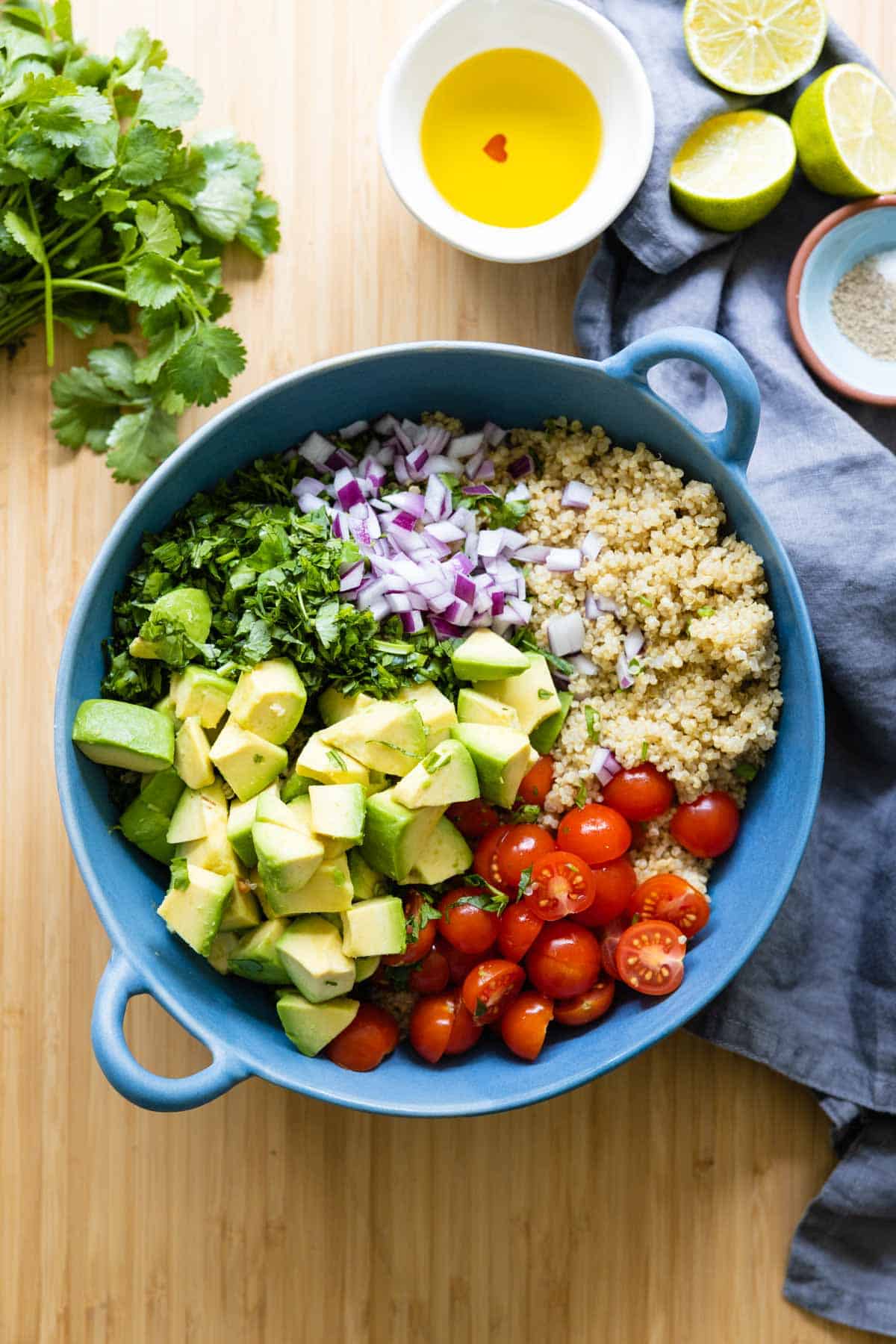
With so many combinations available, creating a filling and nutritious lunch becomes easier than ever. For example, a simple quinoa salad with black beans, diced tomatoes, corn, and a lime-cilantro vinaigrette can serve as a hearty meal that’s both delicious and cost-effective. Furthermore, the variety of textures and flavors can be enticing for both adults and children, making it a family-friendly option.
Join us on a culinary journey where we explore delicious and healthy lunch recipes that keep costs low while enhancing your well-being. Embrace the vibrant world of salads, where creativity meets health, allowing you to enjoy every bite while saving your budget for other essentials.
CHECK OUT: Click here for easy stir-fry recipes
Creating Flavorful Combinations
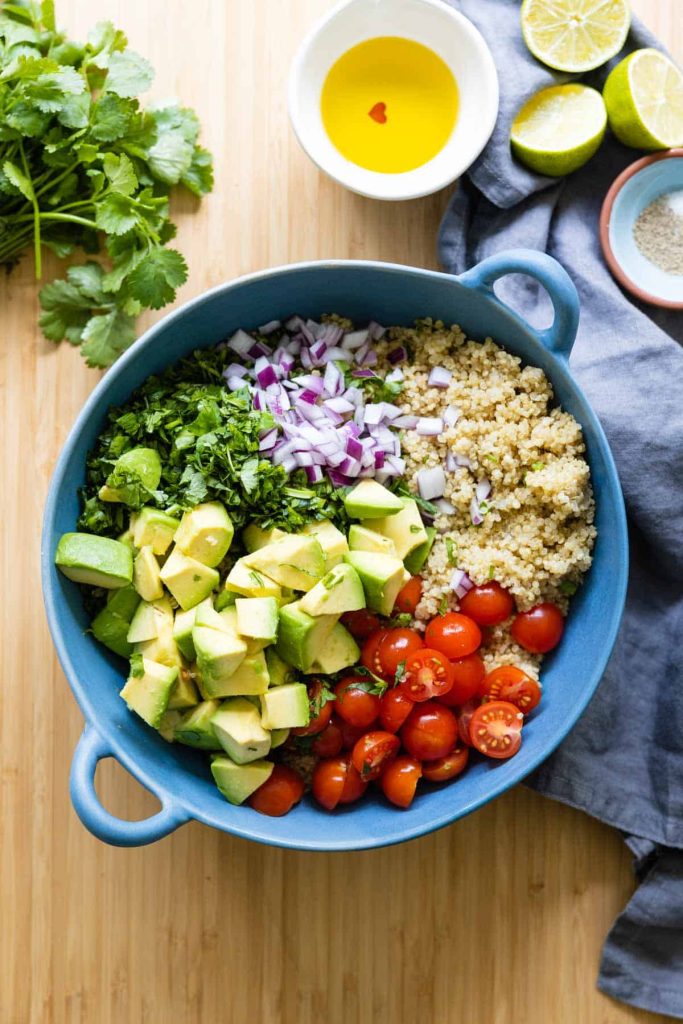
When it comes to sustainable salads, the key lies in the ability to mix and match various components that not only enhance the flavor but also provide nutritional value without stretching your budget. A well-constructed salad incorporates a balance of textured ingredients, vibrant colors, and a wealth of flavors, making each bite appealing. Here are some components to consider for your next healthy lunch:
- Leafy Greens: Start with a base of greens like romaine, arugula, or collard greens. These options are not only budget-friendly, but they are also versatile and can be easily sourced from local farmers’ markets or grocery stores. Their rich chlorophyll content also contributes to better digestion.
- Seasonal Vegetables: Adding seasonal vegetables not only gives your salad a fresh taste but also keeps costs low. For example, in the summer, include vegetables like zucchini, cucumbers, and radishes. In the fall, consider roasted sweet potatoes, beets, and brussels sprouts. Each of these vegetables offers a unique set of vitamins and minerals essential for maintaining energy throughout your day.
- Proteins: Incorporate affordable protein sources such as canned tuna, hard-boiled eggs, or tofu. These add substantial nutritional value and help keep you fuller for longer. For plant-based alternatives, legumes like lentils or red beans can also be great additions, packing a protein punch while still being cost-effective.
- Healthy Fats: Don’t forget to include healthy fats which enhance the salad’s satiating qualities. Think avocado, a drizzle of olive oil, or even a sprinkle of nuts and seeds. These ingredients not only contribute to heart health but also offer a rich source of essential fatty acids that your body craves.
The beauty of sustainable salads lies in their flexibility. You can easily adapt your ingredients based on what’s available and affordable, allowing you to experiment with flavors and combinations. For instance, consider preparing a Mediterranean Chickpea Salad featuring canned chickpeas, diced cucumbers, tomatoes, red onion, and a splash of lemon juice. This delightful mix not only caters to a variety of palates but is also a recipe that’s light on your wallet and heavy on taste.
With this mindful approach to ingredient selection, you’ll not only enjoy a healthy lunch but will also enhance your cooking skills. The more you experiment with sustainable salad recipes, the more you’ll discover your palate’s preferences and how to introduce exciting variations into your meals. Start incorporating these ideas into your weekly routine and revel in the endless possibilities that come with sustainable salads.
| Category of Salads | Key Advantages |
|---|---|
| Seasonal Vegetable Salads | Utilizes locally sourced produce, minimizing carbon footprint and supporting local farmers. |
| Grain-Based Salads | Affordable, nutrient-dense ingredients such as quinoa or brown rice help create filling meals that are rich in fiber. |
| Legume Salads | High in protein and low in cost, legumes like beans and lentils are perfect for budget-conscious eaters. |
When exploring the idea of sustainable salads, it’s essential to recognize their transformative impact on meal preparation. Incorporating low-cost ingredients enhances not just affordability but also promotes a healthier lifestyle. For instance, seasonal vegetable salads champion the use of locally sourced produce, which significantly reduces carbon footprints while bolstering community agriculture. Meanwhile, grain-based salads, with staples like quinoa and brown rice, provide wallet-friendly meals packed with essential nutrients and fiber, ensuring you stay fuller longer.Equally noteworthy, legume salads present an economical way to gain high protein without overspending. Beans and lentils are not only a fantastic source of protein but also come at a fraction of the cost compared to meat options. Thus, incorporating these ingredients not only fosters sustainable eating habits but also caters to a diverse array of dietary preferences, including vegetarian and vegan lifestyles. By exploring these salad varieties, readers can discover a pathway towards enjoying healthy lunches that don’t break the bank.
DON’T MISS: Click here for creative leftover ideas
Boosting Your Salad with Dressings and Don’t-Forget Additions
A sustainable salad can be a canvas for culinary creativity, and the dressing you choose can elevate the dish from good to great. However, many store-bought dressings are laden with preservatives and hidden sugars, which can undermine the health benefits of your meal. Instead, try making your own dressings using simple, low-cost ingredients.
- Vinaigrettes: A basic vinaigrette can be made by combining olive oil, vinegar (apple cider, balsamic, or even red wine), and a touch of mustard. Whisk together equal parts oil and vinegar, adjusting to taste. The acidity from the vinegar not only enhances the flavors of your ingredients but also helps your body absorb certain nutrients better.
- Citrus Boost: Consider using citrus juices such as lemon or lime for a refreshing twist. These juices can be mixed with a dash of honey or agave syrup, creating a zingy dressing that pairs beautifully with sweeter ingredients like carrots or beets.
- Herb-infused Oils: If you have fresh herbs available—like basil, cilantro, or parsley—infuse them into your oils to create a savory dressing. Simply blend together the herbs and olive oil and strain through a fine sieve to reveal a fragrant oil, enhancing any salad with a burst of flavor.
Incorporating unique toppings can provide an additional textural element to your sustainable salads. Ingredients like croutons, pickled vegetables, and even dried fruits such as cranberries or raisins can add unexpected flavors and crunch. For a protein-packed option, consider sprinkling nut butters like tahini or almond butter, which can also serve as a creamy dressing alternative.
Another great way to stretch your dollar further while enjoying healthy salads is to incorporate fermented ingredients. Adding fermented vegetables such as sauerkraut or kimchi not only contributes a delightful tang but also promotes gut health—a factor essential for overall well-being. Fermentation is an ancient technique, but it has gained renewed interest due to its numerous health benefits.
Utilizing grains can also add substance to your salads, providing a filling component that turns them into a full meal. Cheap staples like quinoa, brown rice, or couscous can be cooked in bulk and refrigerated, allowing you to throw together a satisfying salad in minutes. Pairing grains with greens and proteins creates a symphony of textures and flavors, leaving you satiated while keeping your budget intact.
Finally, explore local agricultural co-ops or community-supported agriculture (CSA) programs as affordable sources for fresh, organic ingredients. Many of these programs offer boxes of seasonal produce at a fraction of the cost found in supermarkets, providing a sustainable option for sourcing your salad’s ingredients. Not only does this support local farmers, but it also fosters a sense of community while ensuring you receive the freshest offerings available.
By carefully selecting your ingredients and preparing your dressing from scratch, you can truly embrace the concept of sustainable salads, making them a cost-effective and nourishing choice for your lunchtime routine.
DISCOVER MORE: Click here for creative ways to use leftovers
Conclusion: Embracing Sustainable Salads for a Healthier Future
In conclusion, sustainable salads offer a remarkable opportunity to enjoy vibrant, nutritionally-rich meals that are budget-friendly and environmentally responsible. By incorporating low-cost ingredients, whether it be seasonal greens, grains, or protein sources, you not only support your health but also contribute to local economies and reduce food waste. Creating your own dressings from simple ingredients further enhances the flavor and nutritional value, allowing you to control what goes into your meals.
The beauty of healthy lunch recipes lies in their versatility. With countless options for toppings and flavor combinations, every salad can become a unique culinary creation tailored to your taste preferences. As more individuals seek ways to adopt a sustainable lifestyle, prioritizing home-prepared salads can serve as a delicious and practical choice.
Beyond personal health, engaging with local food systems through co-ops or community-supported agriculture programs can also be a rewarding way to connect with your community. This approach not only ensures fresh ingredients but also gives you the satisfaction of knowing you’re supporting sustainable agricultural practices.
As you embark on your journey towards a healthier and more sustainable diet, remember that every meal provides an opportunity to make mindful choices. Let sustainable salads be a delicious part of your lunchtime repertoire, and explore the endless possibilities that come with simple, nutritious ingredients. Your body, your wallet, and the planet will thank you for it!
Related posts:
Healthy Snack Recipes for Kids on a Budget
Quick and Nutritious Soups: Comfort and Savings in a Bowl
Quick and Healthy Dinner Recipes with Food Scraps
Budget-Friendly and Nutritious Vegan Meal Recipes for Everyday
Quick and Healthy Recipes with Pantry Ingredients
Nutritious Snack Options to Save Time and Money

Beatriz Johnson is a seasoned home cook and recipe developer with a passion for simplifying the art of budget-friendly and easy-to-make meals. With over a decade of experience in the kitchen, she specializes in topics like meal planning on a budget, affordable ingredient swaps, and quick cooking techniques for busy households. Through her work, Beatriz empowers readers to create delicious, satisfying meals while saving money and making the most of every grocery trip.