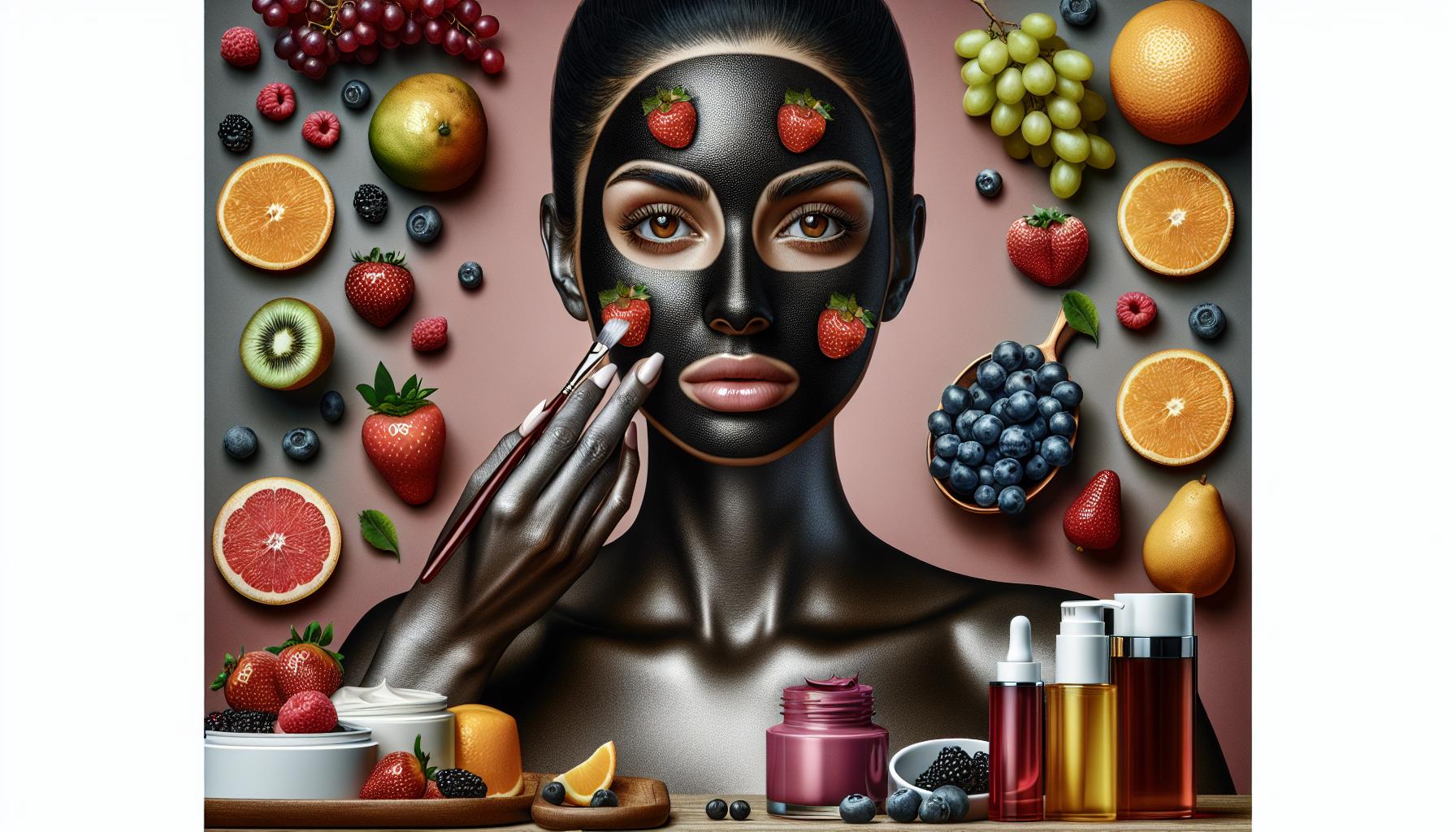
The Effects of Stress on Skin Health and How to Combat Them
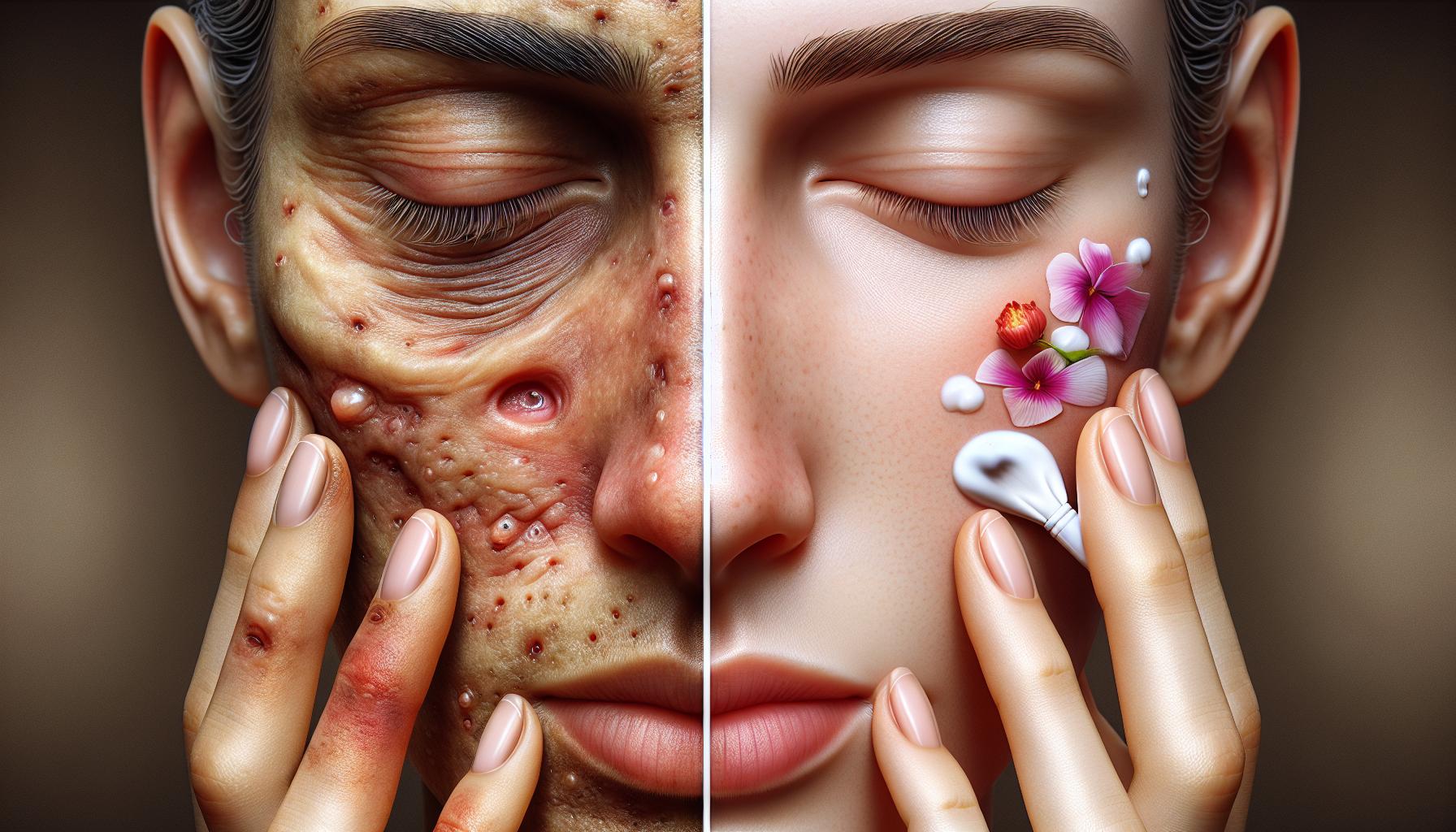
Understanding Stress and Its Impact on Your Skin
Stress is an inevitable part of life, but its effects can be surprisingly profound, especially on skin health. Chronic stress can lead to a variety of skin issues, which can diminish your overall appearance and self-esteem. Skin acts as a mirror to our internal state, reflecting both emotional turmoil and physical ailments. Stress can trigger a cascade of hormonal changes that manifest in various skin problems. Here are some common skin issues linked to stress:
- Acne: Increased stress can trigger hormone imbalances, particularly a surge in androgens, leading to overactive oil glands and resulting in breakouts. This is especially notable in adolescents and young adults, but even older individuals can experience stress-induced acne.
- Eczema: Stress can exacerbate symptoms and trigger flare-ups in individuals already prone to this condition. The skin may become inflamed, red, and unbearably itchy, creating a vicious cycle of stress and skin irritation.
- Psoriasis: Stress is known to worsen inflammation in susceptible individuals. It can lead to more frequent flare-ups of this chronic autoimmune condition, which manifests as thick, red patches covered with silvery scales on the skin.
- Skin Aging: Cortisol, the stress hormone, can lead to premature aging and a dull complexion. Prolonged high levels of cortisol can deplete collagen and elastin, essential proteins that keep skin firm and elastic, leading to fine lines and a loss of skin vitality.
Recognizing the link between stress and skin health is crucial, especially in today’s fast-paced society. The great American hustle can take a toll on your well-being, making it essential for individuals to prioritize mental health and self-care routines. Fortunately, with the right approach, you can mitigate these effects and restore your skin’s natural radiance. Some effective strategies include:
- Mindfulness practices: Engaging in activities like yoga and meditation can significantly help reduce stress levels. These practices help center your thoughts and promote relaxation, creating a positive ripple effect on your skin health.
- Skincare routines: Implementing calming skincare products with ingredients such as chamomile or aloe vera can soothe irritated skin while also creating a small moment of self-care in your day.
- Diet changes: Consuming a balanced diet rich in antioxidants—found in fruits, vegetables, and nuts—supports skin function and fights free radical damage. Hydration is also key; drinking plenty of water can help flush out toxins and keep your skin looking fresh.
By addressing the root causes of stress and implementing these combat strategies, you can improve the overall health of your skin. Discover how to manage stress effectively and rejuvenate your skin as we delve deeper into this important topic. Remember, investing time in self-care is not just a luxury, but a necessity for maintaining both your skin health and overall well-being.
DISCOVER MORE: Click here to uncover the best organic face masks
The Connection Between Stress and Skin Conditions
Understanding how stress affects your skin involves exploring the physiological changes that occur in your body during stressful times. When faced with stress, the body releases various hormones, primarily cortisol, which plays a crucial role in regulating many bodily functions, including the immune response. Elevated cortisol levels can lead to reduced skin barrier function, making your skin more susceptible to infections and irritations.

Notably, stress doesn’t just affect physical appearance; it also has an emotional impact that can lead to negative behavioral changes, such as neglecting skincare routines. This cyclical relationship between stress and poor skin health creates a formidable challenge. Let’s dive deeper into how stress influences specific skin conditions:
- Acne: Stress-induced cortisol can increase oil production in your skin, clogging pores and leading to breakouts. According to the American Academy of Dermatology, stress not only exacerbates existing acne but can also trigger flare-ups in individuals who previously had clear skin.
- Rosacea: For those who suffer from rosacea, stress is a well-known trigger that can lead to aggravated symptoms, such as redness and inflammation. Studies have shown a significant link between emotional stress and the frequency of rosacea episodes.
- Skin Allergies: Heightened stress can affect immune responses, leading to increased sensitivity to allergens. People may find that they develop new allergies or experience worsened reactions to substances they were previously tolerant of, such as certain skincare products or environmental allergens.
- Skin Hydration: Stress can contribute to dehydration in the skin, resulting in a dry, flaky appearance. The body’s focus shifts towards managing current stressors, often neglecting hydration levels, leading to worse skin conditions.
As alarming as these effects may sound, awareness is the first step toward combating them. Many individuals might overlook the severity of stress when considering their skincare regimen, though it plays a significant role in skin health. Recognizing the impact of stress not only empowers you to take control but also sets the foundation for integrating effective stress management techniques into your daily life.
The good news is that there are proactive measures you can take to stabilize your skin amid the chaos of stress. Incorporating habits into your routine can help mitigate the adverse effects of stress on your skin. By implementing simple yet effective strategies, you can nurture both your mental and skin health. Stay with us as we explore actionable tips and techniques that can help restore balance and vibrancy to your skin.
The Effects of Stress on Skin Health
Stress, referred to as a silent antagonist to our overall well-being, can manifest startlingly on the skin. When under pressure, the body produces higher levels of cortisol, a hormone that, in excess, can lead to multiple skin issues. This can result in conditions such as acne, eczema, psoriasis, and premature aging. The relationship between stress and skin health is complex; when stress triggers inflammation, it exacerbates pre-existing skin conditions and can even create new problems.One of the key aspects to consider is the skin’s role as a protective barrier. Under stress, its ability to function optimally diminishes, making it more susceptible to bacteria and pollutants. The skin may appear dull or dehydrated due to the stress-induced reduction in blood flow. Additionally, stress can interfere with the body’s natural healing processes, leading to slower recovery of skin injuries and irritations.Moreover, stress impacts the skin’s microbiome—the community of microorganisms that live on our skin and are vital for its health. An imbalance in this microbiome can lead to conditions such as dermatitis and increased oiliness, creating a cycle of frustration and further stress.
How to Combat the Effects of Stress on Skin
To alleviate these detrimental effects, incorporating stress-reducing techniques into daily routines is crucial. Mindfulness practices such as meditation and yoga can substantially decrease stress levels, consequently benefiting skin health. Additionally, proper hydration is essential; drinking adequate water helps to maintain skin elasticity and moisture.Diet also plays an integral role. Consuming foods rich in antioxidants, like berries and leafy greens, can aid in combating oxidative stress while promoting a more radiant complexion. Incorporating omega-3 fatty acids, found in fish and flaxseeds, can also reduce inflammation, restoring the skin’s healthy appearance.A consistent skincare routine tailored to individual needs can further empower skin recovery. Products with ingredients like hyaluronic acid for hydration and salicylic acid for acne treatment can help mitigate the effects of stress on skin condition.Exploring these aspects not only sheds light on the impact of stress but also promotes a proactive approach to skincare in the face of life’s challenges, making it imperative to leverage these insights for healthier skin.
| Category | Benefits |
|---|---|
| Increased Hydration | Maintains skin elasticity and reduces dryness |
| Healthy Diet | Rich in antioxidants to combat oxidative stress and enhance skin radiance |
DISCOVER MORE: Click here to learn about the benefits of retinol
Effective Strategies to Combat Stress and Skin Issues
While the impact of stress on skin health can be significant, implementing effective strategies can help mitigate these effects. By establishing a holistic approach that addresses both mental well-being and skincare, you can improve your skin’s resilience against stress-induced issues.
One of the most direct ways to combat the effects of stress on your skin is through stress management techniques. Practices such as mindfulness, meditation, and yoga have been shown to lower cortisol levels and enhance emotional resilience. A study published in the Journal of Clinical Psychology found that participants who practiced mindfulness-based stress reduction reported lower levels of anxiety and improved overall skin conditions. These activities not only help clear the mind but also promote better hormonal balance, which can be instrumental in maintaining healthy skin.
Establish a Consistent Skincare Routine
Another essential avenue is to maintain a consistent skincare routine. This should focus on hydration and barrier protection. Incorporating products that contain ingredients like hyaluronic acid and ceramides can significantly bolster your skin’s moisture content and fortify its barrier function. In times of stress, it’s important to select gentle, non-irritating products. Consider formulations that are fragrance-free and designed for sensitive skin, as stress can heighten reactions to common skincare ingredients.
Nutritional Support for Your Skin
Your diet plays a crucial role in skin health too. Foods rich in antioxidants, like berries, nuts, and green leafy vegetables, combat oxidative stress triggered by emotional and environmental factors. Furthermore, the inclusion of Omega-3 fatty acids found in salmon and walnuts can help reduce inflammation and maintain skin hydration. Staying well-hydrated with adequate water intake is equally important, as dehydration can exacerbate the effects of stress on the skin.
Sleep and Stress Connection
Never underestimate the power of a good night’s sleep. Sleep is vital for both mental health and skin regeneration. During sleep, the body works to repair damage, and poor sleep has been linked to increased stress levels, which can negatively affect skin health. The National Sleep Foundation recommends establishing a relaxing bedtime routine and ensuring you have an optimal sleep environment to enhance your sleep quality. This can profoundly impact not only your mental state but your skin’s appearance as well.
Consulting Professionals
If stress-related skin issues persist despite home remedies and lifestyle changes, seeking guidance from a dermatologist or a mental health professional may be beneficial. Dermatologists can offer tailored treatments such as topical medications or therapeutic procedures to manage conditions like acne or rosacea, while psychologists can provide techniques to handle stress more effectively. An integrated approach to health can yield comprehensive benefits, reinforcing the connection between mental wellness and skin vitality.
Integrating these strategies into daily life can cultivate a positive environment where both your skin and mind can thrive, arming you with the tools necessary to combat the dual challenges posed by stress.
DIVE DEEPER: Click here to explore the impact of pop culture on beauty trends
Conclusion: Prioritizing Wellness for Healthy Skin
In conclusion, the intricate relationship between stress and skin health highlights the need for a comprehensive approach to well-being. As we navigate the challenges of modern life, understanding how stress can exacerbate conditions like acne, eczema, and premature aging empowers us to take proactive measures. Key strategies such as adopting stress management techniques, cultivating a consistent and nourishing skincare routine, consuming a balanced diet rich in antioxidants, and prioritizing restorative sleep are essential for maintaining healthier skin in the face of stress.
Moreover, the significance of seeking professional help should not be overlooked. Consulting with dermatologists and mental health professionals can provide tailored solutions for those experiencing persistent skin issues related to stress. By embracing this holistic journey, individuals can significantly enhance not only their skin’s resilience but also their overall emotional health.
The impact of stress is undeniable, yet it doesn’t define our skin’s story. With a commitment to implementing these strategies, we can combat the effects of stress on our skin, paving the way for a more balanced and radiant appearance. As we value the connection between mental health and skin vitality, let this knowledge inspire us to adopt lifestyle changes that nurture both our inner selves and outer beauty.