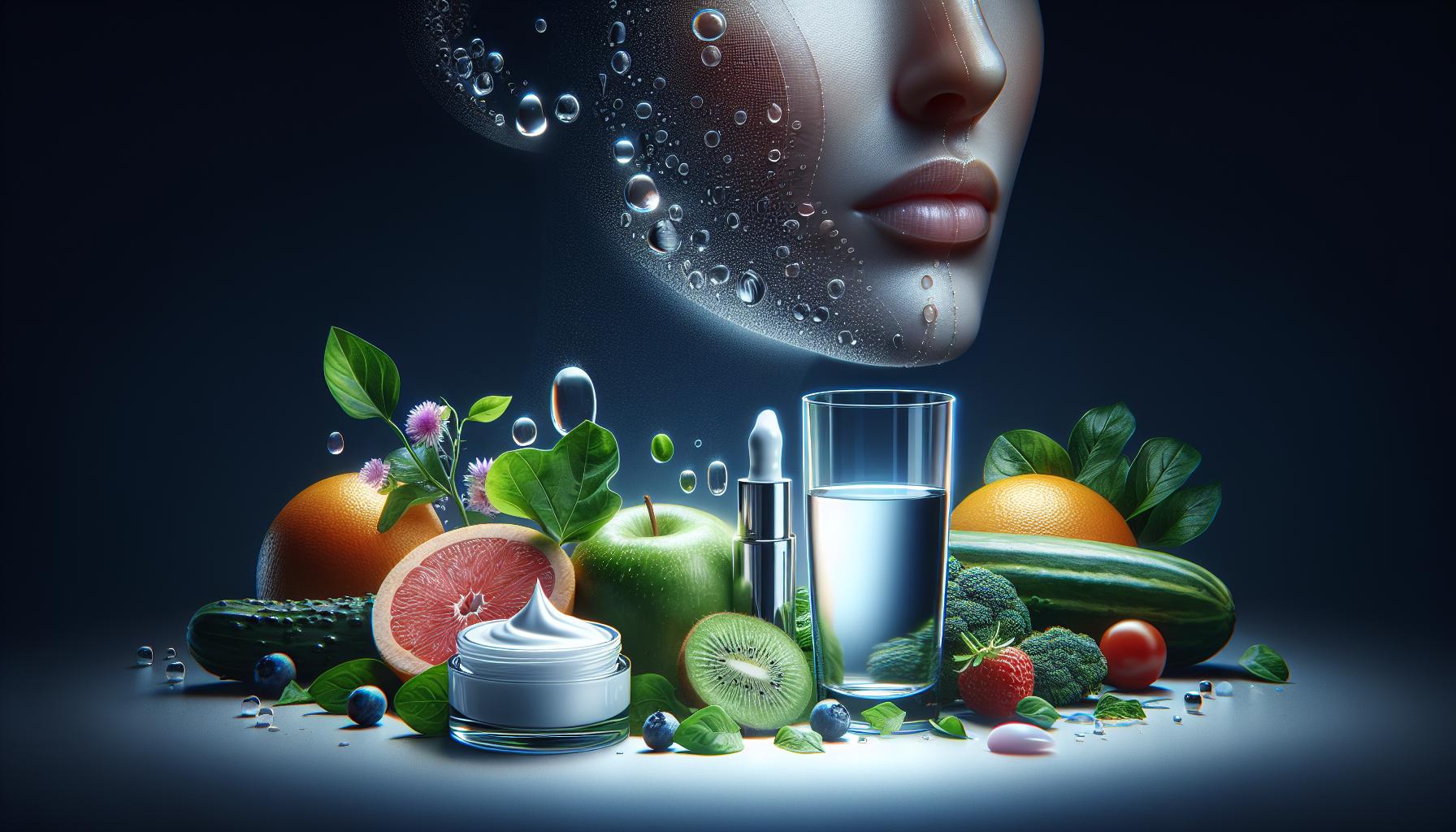
The Effects of Stress on Skin Health: How to Manage and Protect Your Skin in Difficult Times

The Intricate Link Between Stress and Skin Health
In today’s fast-paced world, stress permeates every aspect of our lives, often leading individuals to prioritize mental resilience over physical health. However, what many may overlook is the profound impact that stress can have on skin health. Indeed, the skin serves not just as a protective barrier but also as a visible indicator of our internal well-being.
The Biological Response to Stress
When faced with stress, the body activates its fight-or-flight response, resulting in increased production of hormones like cortisol. This spike in cortisol can significantly alter skin functioning. For instance, increased oil production encourages clogged pores, paving the way for acne breakouts. Research indicates that individuals with high stress levels often experience a noticeable rise in adult acne, even for those who may have had clear skin previously.
Furthermore, stress-induced skin inflammation can exacerbate chronic conditions such as eczema and psoriasis. For example, those living with psoriasis often find their flare-ups intensifying during stressful periods, leading to discomfort and impaired self-esteem. Similarly, eczema, characterized by dry and itchy skin, frequently worsens under stress, prompting a cycle of irritation and frustration.
The Aging Process Accelerated
Alongside these immediate effects, stress also plays a significant role in the aging process. Elevated cortisol levels contribute to premature aging by degrading collagen, the protein that gives skin its structure and elasticity. This degradation can result in winkles and a loss of firmness that would typically be associated with much later stages of life. Studies have shown that individuals under consistent stress exhibit more pronounced signs of aging compared to their less-stressed counterparts.
Skin Sensitivity and Healing
The connection between stress and skin health extends further, as many individuals report worsening skin conditions during stressful times. For instance, heightened sensitivity can leave skin more prone to irritation from everyday products, significantly impacting those with even mild sensitivity. Likewise, stress can diminish the skin’s natural healing capacity, slowing recovery from existing issues. A cut or acne mark that typically would heal in a few days might linger for weeks amid heightened emotional strain.
Effective Strategies for Skin Resilience
As awareness of this crucial relationship grows, many people are proactively seeking effective strategies to manage their stress while simultaneously nurturing their skin. Practices such as mindfulness meditation, yoga, and regular exercise have been scientifically validated to reduce stress levels. Additionally, maintaining a balanced diet rich in antioxidants can fortify the skin against the damaging effects of stress. Foods such as berries, nuts, and leafy greens not only promote overall health but can also enhance skin vitality.
Furthermore, investing in a consistent skincare routine that addresses specific concerns may yield substantial benefits. Selecting products designed to soothe irritated skin or combat excess oil can help mitigate stress-induced flare-ups. With the right approach, individuals can cultivate both inner calm and outer radiance. By recognizing and addressing the interplay between stress and skin health, we pave the way for a more comprehensive approach to well-being. By diving into resources available on stress management and skincare, readers can uncover valuable insights that aid in fending off the negative effects of stress on their skin.
DISCOVER MORE: Click here to dive deeper
Understanding the Skin-Stress Connection
Stress is an inevitable part of life, but its impact on skin health can be profound and multifaceted. The skin is the body’s largest organ, and its condition can often serve as a mirror reflecting our emotional state. Understanding how stress manifests on our skin allows us to take proactive steps in managing its effects.
Recognizing Common Skin Issues Linked to Stress
Numerous skin conditions can be exacerbated by stress, and recognizing these is the first step toward effective management. Some common stress-related skin issues include:
- Acne: Stress triggers hormonal fluctuations that increase oil production, leading to clogged pores and acne outbreaks.
- Eczema: Characterized by dryness and inflammation, eczema can become severe during periods of heightened stress, prompting intense itching and discomfort.
- Psoriasis: Individuals with psoriasis may notice an increase in flare-ups when experiencing stress, causing greater discomfort and dissatisfaction with their appearance.
- Rosacea: Stress can lead to flare-ups of rosacea, a condition marked by redness and visible blood vessels, affecting individuals’ confidence.
Each of these conditions serves as a reminder that our emotional well-being is closely tied to our physical appearance. As stress levels rise, so do the chances of experiencing a flare-up or breakout, thereby affecting both confidence and mental state.
The Role of Lifestyle in Stress Management
While it is impossible to completely eliminate stress from our lives, adopting healthy lifestyle choices can significantly reduce its effects on skin health. Here are several effective strategies:
- Regular Exercise: Physical activity is known to reduce stress hormones and increase endorphins, leading to improved mood and skin health.
- Mindfulness and Meditation: Integrating mindfulness practices can promote relaxation, thus lowering stress levels and benefiting skin conditions.
- Quality Sleep: Sleep plays a critical role in skin repair. Ensuring you get adequate sleep can mitigate the visible effects of stress on your skin.
- Hydrated Diet: Consuming a balanced diet rich in vitamins, antioxidants, and omega-3 fatty acids can improve skin resilience and overall health.
Incorporating these strategies into daily life not only aids in managing stress but also supports the skin’s health. As you learn to navigate through challenging periods, creating a self-care routine that includes both mental and physical wellness can yield incredible benefits. Choosing to prioritize your well-being ultimately contributes to a healthier, more vibrant complexion.
Skincare Products That Help
In tandem with lifestyle changes, selecting the right skincare products is essential in addressing stress-related skin issues. Look for products with calming and soothing ingredients such as:
- Chamomile: Known for its anti-inflammatory properties, it helps reduce redness and irritation.
- Aloe Vera: Acts as a natural moisturizer with healing properties, making it ideal for sensitive or stressed skin.
- Green Tea Extract: Rich in antioxidants, it combats oxidative stress and soothes the skin.
- Niacinamide: This ingredient helps balance oil production and strengthen the skin barrier, reducing flare-ups.
By equipping yourself with knowledge about stress management techniques and selecting targeted skincare solutions, you empower your skin to combat the adverse effects of stress. More importantly, such strategies foster a holistic approach toward achieving not just a healthy complexion, but a balanced state of mind as well.
| Aspect of Skin Health | Description |
|---|---|
| Stress-Induced Acne | Increased cortisol levels can lead to excess oil production, resulting in acne. Understanding this link is essential for effectively managing skin breakouts during stressful times. |
| Skin Hydration | Stress may impact your skin’s hydration levels. Incorporating moisturizers and hyaluronic acid can mitigate dryness and enhance your skin’s barrier function. |
| Premature Aging | Stress contributes to collagen breakdown, leading to fine lines. Active ingredients like retinoids can help by promoting cell turnover and minimizing visible signs of aging. |
| Skin Irritation | Stress can exacerbate conditions like eczema. A gentle skincare routine is vital to reduce further irritations and soothe inflamed skin. |
Managing skin health requires understanding the intricacies of how stress manifests on the skin’s surface. With the right strategies and timely interventions, it is possible to safeguard your skin even in challenging times. Remember, simple adjustments in your skincare routine can lead to significant improvements in overall skin vitality.
DISCOVER MORE: Click here for tips to maintain your healthy glow
Innovative Therapies and Treatments for Stressed Skin
In addition to lifestyle changes and mindful skincare routines, advancements in dermatological treatments offer new avenues for addressing the negative effects of stress on skin health. Professionals are increasingly recommending innovative therapies that not only target specific skin issues but also promote overall wellness and relaxation.
Professional Treatments to Consider
For those experiencing persistent skin problems as a result of stress, consulting a dermatologist may reveal potential treatments tailored to individual needs. Some promising options include:
- Chemical Peels: These treatments involve applying a solution to exfoliate the skin’s surface and can improve conditions like acne and rosacea. By reducing the buildup of dead skin cells and excess oil, chemical peels can lead to clearer and more radiant skin.
- Microdermabrasion: A non-invasive procedure that exfoliates the top layer of skin, helping to smooth texture and reduce the appearance of stress-induced blemishes. This can stimulate skin regeneration and induce a relaxation response.
- Light Therapy: Often used to treat acne and inflammation, light therapy uses specific wavelengths to penetrate the skin, reducing redness while promoting healing. It has also been shown to enhance mood, providing a dual benefit during challenging times.
- Botox and Fillers: While primarily known for their cosmetic applications, these treatments can alleviate tension in facial muscles, reducing stress-induced expressions such as frowning or squinting, thereby promoting a more relaxed appearance.
Each of these procedures presents a compelling option for those looking to not only manage current skin conditions but also cultivate a sense of personal well-being during stressful times. Collaborating with a skilled dermatologist can help determine the appropriate treatment plan tailored to specific skin concerns.
Integrating Stress Management Strategies
To amplify the positive effects of skincare and professional treatments, integrating holistic stress management strategies is crucial. Stress influences skin health on a physiological level through processes like increased cortisol levels, which can lead to inflammation and compromised skin function. By adopting complementary techniques, individuals can better support their skin’s resilience. Consider the following:
- Aromatherapy: Utilizing essential oils, such as lavender or bergamot, can have calming effects that reduce stress levels. Adding these oils to a diffuser or incorporating them into a skincare routine can enhance relaxation.
- Journaling: Writing about daily experiences and emotions can serve as a constructive outlet for stress. This practice not only helps to clarify thoughts but may also improve mental health, leading to a positive impact on skin health.
- Nature Exposure: Spending time outdoors, particularly in green spaces, can lower stress hormones and promote feelings of well-being. The sights and sounds of nature provide a natural calming effect that can nurture both mind and skin.
By embracing a combination of professional treatments alongside daily stress management techniques, individuals can actively combat the adverse effects of stress on their skin. This holistic approach not only encourages healthier skin but also fosters a balanced, resilient mindset during difficult times.
Staying Informed on Skin Health During Stressful Periods
As research continues to evolve regarding the connection between stress and skin health, staying informed is essential. Taking an active interest in dermatological studies, skincare product innovations, and stress management approaches can empower individuals to make informed choices. Furthermore, community engagement—such as participating in forums or consultations with dermatology experts—can provide additional insight and motivation. By prioritizing both mental well-being and skincare, individuals can cultivate a healthier relationship with their skin, even amidst life’s challenges.
DISCOVER MORE: Click here to learn about personalizing your skincare routine for every season
Conclusion: Nurturing Skin Health Amidst Stress
The intricate relationship between stress and skin health highlights the importance of mindful management during challenging times. As we navigate the complexities of modern life, understanding how stress impacts our skin empowers individuals to take proactive steps towards maintaining their skin’s vitality. From adopting daily skincare routines to exploring innovative dermatological treatments, there are numerous ways to foster healthier skin even when life’s pressures seem overwhelming.
Incorporating holistic stress management strategies, such as aromatherapy, journaling, and nature exposure, can further enhance skin resilience. These practices not only address the symptoms of stress but also promote emotional well-being, establishing a holistic approach to skincare. As restorative treatments become more accessible, individuals can benefit from tailored solutions that address their specific skin concerns, blending the science of dermatology with the art of relaxation.
To maintain a proactive stance, staying informed about the latest advancements in skincare and stress management is crucial. Engaging with dermatological communities and experts provides valuable insights that can significantly influence personal skincare choices. By prioritizing both mental health and skin care, individuals are better equipped to cultivate a more balanced relationship with their skin, ultimately leading to enhanced confidence and resilience in facing life’s challenges.
As research deepens our understanding of the stress-skin connection, we are reminded that investing time in our well-being is not a luxury but a necessity. By embracing a comprehensive approach, we can protect and nourish our skin, ensuring that even in difficult times, it remains a radiant reflection of our inner health.