The Impact of Social Media on New Trends in Beauty and Aesthetics
The Impact of Social Media on the Beauty Industry
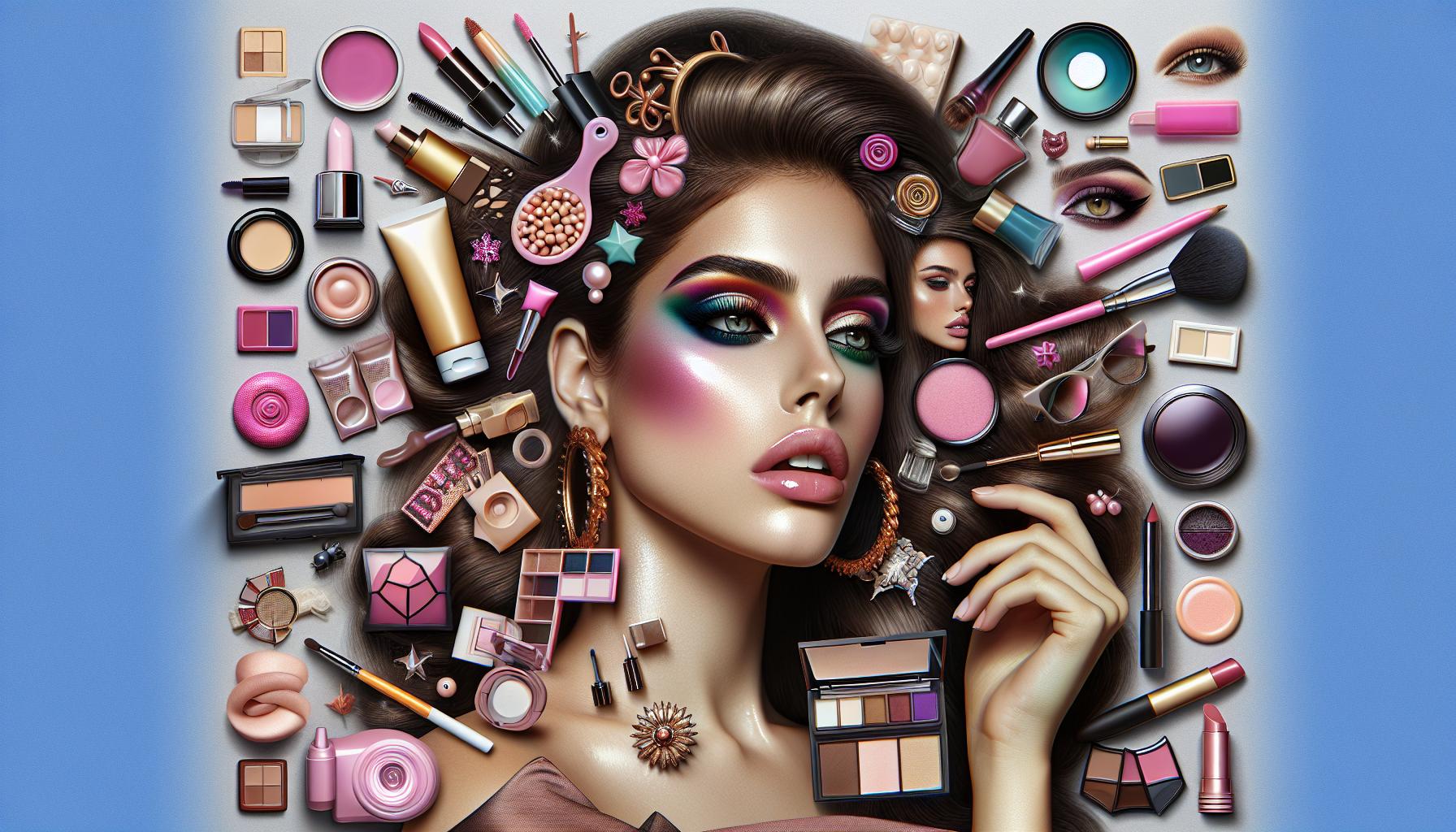
In recent years, the beauty industry has experienced a revolutionary transformation largely influenced by the advent of social media. No longer are beauty trends dictated solely by traditional advertising and high fashion runways; today, platforms like Instagram, TikTok, and YouTube have empowered consumers and redefined the way beauty products are marketed. This transformation has created a dynamic ecosystem where social media plays a pivotal role in shaping consumer preferences and propelling viral trends.
Influencer Marketing
One of the most significant developments in the beauty industry is the rise of influencer marketing. Beauty influencers have become the new gatekeepers of brand recognition, fostering a culture where authenticity is highly valued. For instance, platforms such as Instagram have seen influencers with millions of followers showcasing their daily beauty routines, product hauls, and makeup tutorials. This connection fosters trust, making their endorsements appear genuine. Brands have seized this opportunity, collaborating with influencers like James Charles and NikkieTutorials to launch new products or drive awareness. A notable example was the success of the Huda Beauty brand, which gained immense popularity through strategic partnerships with influencers who showcased their products to vast audiences, resulting in significant sales spikes.
Aesthetic Trends
Another driving force of change within the beauty landscape is the emergence of aesthetic trends that often go viral on social media. The “glass skin” trend, which emphasizes a dewy, luminous complexion, took the beauty community by storm, inspiring countless tutorials, Instagram posts, and TikTok videos on achieving that glossy look. Similarly, the “cloud skin” makeup technique—a softer approach focusing on Blush and highlighter—captured the hearts of many beauty enthusiasts. These trends illustrate how quickly information circulates on social media and how easily consumers adopt and adapt new looks, often participating in challenges or sharing their interpretations online.
Access to Information
Furthermore, the accessibility of information through tutorials and product reviews has fundamentally changed consumer behavior. Users can now gain insights from real people using products in real time, which influences purchasing decisions. For example, a young beauty enthusiast might watch a makeup tutorial on YouTube before deciding to buy a particular foundation. Brands that engage directly with their audience on social media can provide instant feedback, share user-generated content, and even address consumer queries swiftly, creating a more informed and interactive shopping experience.
Importantly, these elements contribute to an ever-evolving landscape where consumer behavior is influenced by trending hashtags and viral challenges. As we continue to explore the implications of social media on the beauty industry, it’s essential to recognize its role not just as a promotional platform, but also as a powerful catalyst for redefining beauty standards and accessibility. The ongoing dialogue between brands and consumers on these platforms offers meaningful insights into the future trajectory of the beauty industry, impacting everything from product development to marketing strategies.
DIVE DEEPER: Click here to uncover the evolution of beauty routines
The Rise of User-Generated Content
As the beauty industry evolves, one cannot overlook the critical role of user-generated content (UGC) in shaping beauty trends. Unlike traditional advertising, which often relies on staged imagery and polished models, UGC presents beauty from a more relatable perspective. Consumers, armed with smartphones, share their makeup looks and skincare routines across platforms such as TikTok and Instagram, effectively democratizing beauty and aesthetics.
The Power of Hashtags
The influence of Instagram hashtags cannot be understated. Users often explore content through curated tags like #BeautyTok, #SkincareRoutine, and #MakeupTransformation. These hashtags not only categorize the content but also create a sense of community, allowing users to discover new products and techniques quickly. Some notable trends stemming directly from hashtag campaigns include:
- #NoMakeupMakeup: This trend promotes an effortless, natural look that many young consumers find appealing.
- #SelfCareSunday: Focused on self-care rituals and skincare routines, this trend has turned Sundays into a celebration of personal wellness.
- #70sGlam: Reviving retro aesthetics, this trend incorporates elements of 1970s makeup and fashion, showcasing the cyclical nature of beauty trends.
These trends highlight the power of UGC in fostering an environment where beauty enthusiasts actively influence and inspire one another. Brands have recognized this shift and are increasingly partnering with everyday users to amplify their visibility. By doing so, they tap into a treasure trove of authentic content that resonates with their target audience.
Interactive Engagement and Feedback
Social media platforms also facilitate a level of interactive engagement that traditional media cannot match. Consumers no longer passively consume beauty content; instead, they can engage actively by liking, commenting, or even participating in brand-hosted challenges. For instance, the viral #10YearChallenge saw users posting side-by-side comparisons of their appearances over a decade, often focusing on skincare and beauty techniques that had evolved during that time. This type of engagement not only encourages participation but also fosters a sense of belonging among users, manifesting in brand loyalty.
Moreover, brands leverage this feedback to adjust their offerings, responding swiftly to the preferences of the fast-paced, ever-changing marketplace. Insights gained from social interactions inform product development, marketing strategies, and even customer service, creating a dynamic feedback loop that fuels the industry.
Ultimately, the phenomenon of UGC and interactive engagement through social media has shifted the focus from traditional marketing to a more community-oriented approach. As beauty enthusiasts increasingly seek to align with brands that reflect their values, the role of social media continues to expand, prompting a continual evolution of trends within the beauty landscape.
| Category | Details |
|---|---|
| Influencer Marketing | Social media influencers significantly shape consumer preferences in beauty products through authentic engagements. |
| Real-Time Trends | Instant access to global beauty trends allows consumers to adopt new styles and products quickly. |
The influence of social media on beauty and aesthetics is undeniable, serving as a powerful platform for brand promotion and consumer engagement. Influencer marketing, for instance, has transformed how brands interact with their audience, making it more personalized and relatable. Influencers not only showcase products but also set trends that resonate with their followers, often leading to viral beauty challenges and widespread adoption of specific looks.Furthermore, the ability to observe and adapt to real-time trends has transformed consumers into active participants in the beauty industry. Platforms like Instagram and TikTok feature real-time updates and tutorials, allowing beauty enthusiasts to quickly integrate the latest styles into their daily lives. The democratization of beauty knowledge empowers individuals, creating a diverse culture where experimentation with aesthetics is encouraged. This dynamic interplay between social media and beauty trends continues to evolve, sparking new discussions on authenticity, representation, and inclusivity in the beauty world.
DISCOVER: Click here for essential tips
The Emergence of Beauty Influencers
The advent of social media has given rise to a new breed of celebrity: the beauty influencer. These individuals, often equipped with a profound passion for beauty and a flair for creativity, have the power to shape consumer preferences and promote products in ways that traditional advertisements simply cannot. Platforms like YouTube, Instagram, and TikTok showcase influencers who create engaging content ranging from tutorials to product reviews, effectively bridging the gap between brands and consumers.
The Influence of Authenticity
Today’s audience craves authenticity, which is a key reason why beauty influencers have gained massive followings. Unlike traditional advertisements featuring professional models, influencers often share their personal journeys, struggles, and victories related to beauty. This transparency fosters trust among followers, making them more likely to try products recommended by influencers they admire. For instance, beauty influencer James Charles has not only inspired millions with his makeup artistry but has also sparked trends like the popular “Euphoria” makeup looks that embrace bold colors and creative designs.
Viral Challenges and Trends
Social media platforms also serve as the breeding ground for viral challenges that leave a lasting impact on beauty trends. The #LipSyncChallenge or the #GlowUpChallenge gets users involved in showcasing their beauty transformations, often leading to a surge in specific product sales. Brands are quick to capitalize on these trends, introducing new items that align with the challenges. For example, when the #GlitterRoots trend took off, many cosmetic brands rushed to create glitters and hair products that cater to this exciting and visually captivating style.
Shifts Towards Inclusivity
The democratization of beauty through social media has also amplified the demand for inclusivity in product offerings. Influencers from diverse backgrounds are at the forefront of this movement, championing brands that reflect a wide spectrum of skin tones, body types, and gender expressions. The hashtag #MakeupHasNoGender has gathered momentum, advocating for the idea that beauty is an individual expression rather than a box to be checked. Brands that align with these values not only gain a competitive edge but also foster a community that appreciates depth and diversity in beauty.
Moreover, the rise in conversations about mental health on social platforms has led to trends that encourage self-love and body positivity, challenging traditional beauty standards. The popularity of the hashtag #BodyPositivity emphasizes the need for realistic representations of beauty, with brands responding by creating comprehensive marketing campaigns that promote real experiences rather than idealized versions.
The Role of Live Streaming
Another transformative aspect of social media is the emergence of live streaming, which allows beauty influencers to demonstrate products in real-time. Platforms like Instagram Live and TikTok offer a space for influencers to engage with their audience more spontaneously, answering questions and demonstrating products that viewers can purchase instantly. This immediacy heightens the connection between influencer and audience, creating a sense of urgency and excitement around beauty trends.
As social media continues to evolve, the landscape of beauty and aesthetics remains dynamically intertwined with these platforms. The convergence of influencers, viral trends, and inclusive narratives ensures that new movements in beauty are not only innovative but also reflective of the diverse world we live in.
Dive Deeper: Click here for the ultimate skincare night routine
Conclusion
The impact of social media on new trends in beauty and aesthetics is profound and far-reaching. As we’ve explored, the rise of beauty influencers has transformed how brands connect with consumers, fostering a unique blend of engagement and authenticity that traditional marketing could seldom achieve. This shift has not only democratized beauty but has also enabled a more diverse and inclusive representation of what beauty means today, highlighted by movements such as #MakeupHasNoGender and #BodyPositivity.
Moreover, the phenomenon of viral challenges and trends on platforms like TikTok and Instagram illustrates how quickly new aesthetics can emerge and spread, shaping consumer behavior almost overnight. The immediate feedback and interaction provided by live streaming further enhances this dynamic, allowing beauty enthusiasts to participate in real-time discussions about products and techniques — a level of interaction absent in conventional marketing.
As we look ahead, the intersection of social media, beauty, and consumer culture is likely to continue evolving. Brands that prioritize inclusivity and authenticity stand to thrive in this new landscape. The call for realistic portrayals of beauty serves as a reminder that, while social media can amplify trends, it also holds the potential to influence positive change and inspire self-acceptance among individuals. Therefore, engaging with the social media era should not just focus on profit, but also on nurturing a community that values diversity and self-expression in beauty. As this field evolves, so too will our understanding of beauty itself—no longer a simple marketing concept, but a multifaceted dialogue reflective of our collective experiences.