
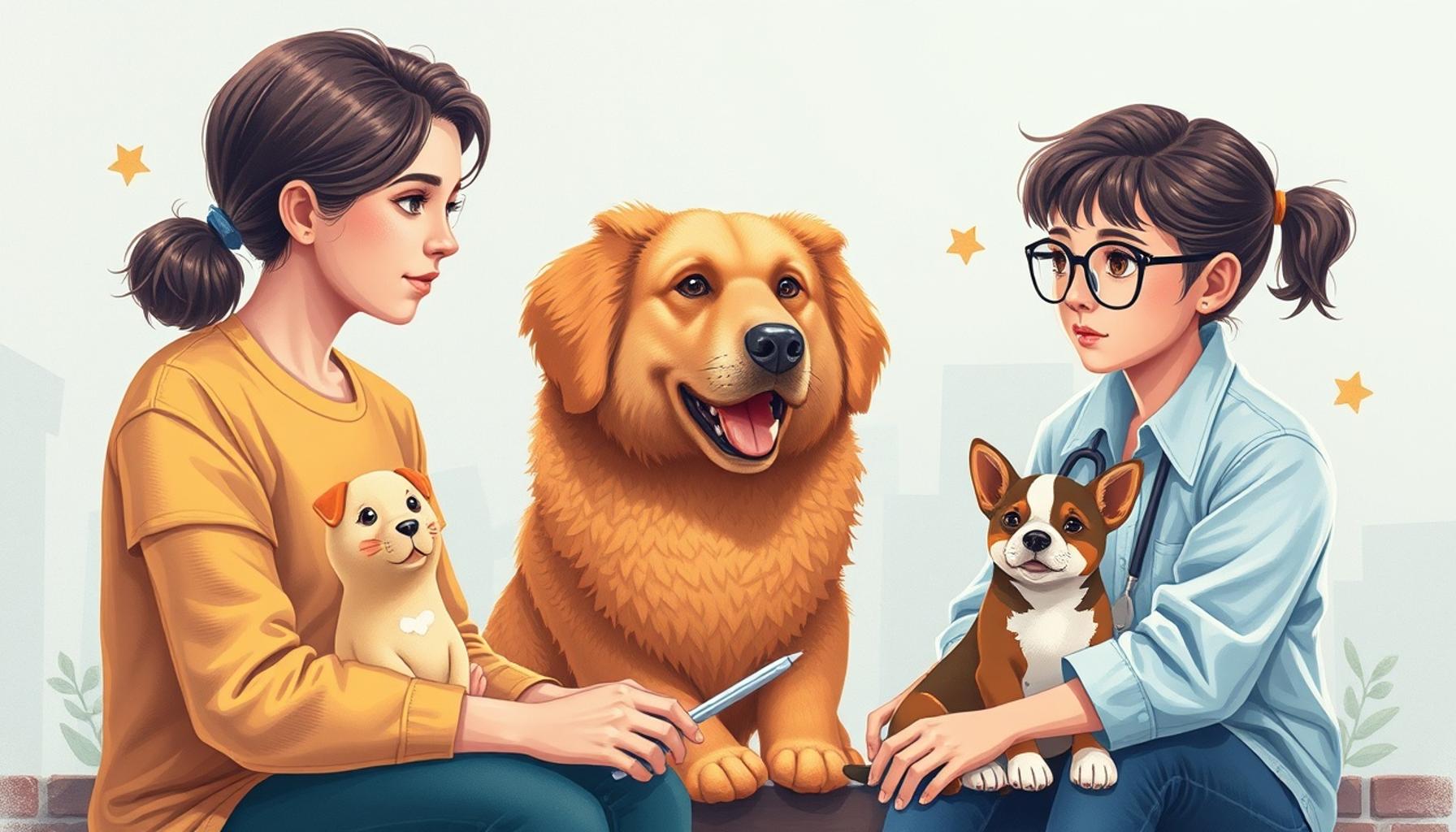
A Revolutionary Approach to Mental Wellness
Animal-Assisted Therapy (AAT) has emerged as a compelling avenue for enhancing human mental health. By integrating animals into therapeutic settings, this approach opens a new door to emotional healing, particularly in environments like hospitals, rehabilitation centers, and even schools. Now, more than ever, individuals are recognizing the profound effects that animals can have on overall well-being.
Consider these intriguing statistics:
- 95% of participants reported reduced stress and anxiety during therapy involving animals, according to various studies conducted over the past decade.
- AAT has shown positive results for conditions such as PTSD, depression, anxiety disorders, and autism spectrum disorders, contributing significantly to traditional treatment methods.
- Regular interaction with therapy animals can improve social skills and enhance self-esteem in individuals, leading to a more fulfilling daily life.
The mechanisms behind these benefits are multifaceted. For instance, animals can provide unconditional love, diminishing feelings of isolation and loneliness that often accompany mental health struggles. The simple act of petting a dog or cat can trigger the release of oxytocin—a hormone known to foster bonding and reduce stress levels. Furthermore, interacting with animals encourages physical activity, which is a vital component of mental wellness.
In recent years, therapists have begun incorporating an array of animals into their treatments. Dogs are the most commonly utilized therapy animals due to their trainability and sociable nature, but horses are also gaining recognition for their effectiveness, especially in equine therapy programs. In fact, organizations across the United States are developing specific AAT programs tailored to different needs, whether it be helping children with autism learn communication skills or assisting veterans in overcoming PTSD.
This article will delve deeper into how AAT is transforming the landscape of mental health care in the United States, celebrating both personal stories and scientific findings. A significant example is the case of a young girl with severe anxiety who, after several sessions with a therapy dog, not only gained confidence in social settings but also improved her academic performance. Join us as we uncover the powerful influence animals have on the human psyche, revealing insights that may just inspire you to consider therapy in a new light.
The growing body of research around AAT suggests that it is not merely a passing trend but rather a legitimate and effective form of therapy that can complement traditional approaches. With continued advancements and increased awareness, the bond between humans and animals has never been more crucial to mental health strategies. As we explore these advancements, readers may find themselves wondering how they can incorporate the healing presence of animals into their own lives or the lives of those they care for.
DISCOVER MORE: Click here to delve deeper
Understanding the Benefits of Animal-Assisted Therapy
Animal-Assisted Therapy (AAT) is increasingly recognized for its role in improving human mental health. The approach is grounded in the notion that the presence of animals can evoke emotional responses that facilitate healing and support therapeutic processes. As individuals interact with therapy animals, the relationship transcends mere companionship, becoming a powerful tool for emotional and psychological recovery.
The intuitive bond formed between humans and animals has far-reaching implications for mental health treatment. Studies have documented various positive effects that this bonding can foster, including:
- Enhanced Emotional Resilience: Engaging with animals can help individuals develop coping mechanisms that bolster their emotional fortitude.
- Increased Motivation: The presence of an animal can inspire patients to engage more fully in treatment, leading to better outcomes.
- Stress Reduction: The act of petting or spending time with a therapy animal has been shown to significantly lower levels of cortisol, a stress hormone.
- Improved Loneliness and Isolation: Animals provide comfort and companionship, which can alleviate feelings of loneliness often experienced by those dealing with mental health issues.
Particularly significant is AAT’s applicability in addressing specific mental health conditions. For instance, research indicates that individuals suffering from Post-Traumatic Stress Disorder (PTSD) often respond positively to interactions with therapy animals, as these interactions can evoke feelings of safety and acceptance. Notably, veterans participating in AAT programs report significant reductions in anxiety, hyperarousal, and depression, with animals serving as both calming presences and catalysts for meaningful social interaction.
Moreover, AAT has exhibited effectiveness with children on the autism spectrum. According to studies, children who have difficulty expressing emotions and forming connections with others show improvement in communication skills and social behaviors when engaging with therapy dogs. These interactions create a safe space for self-expression, helping children learn how to communicate their feelings, desires, and needs more effectively.
Additionally, the therapeutic benefit of AAT extends beyond direct contact with animals. The structured activities often involved in AAT programs encourage participants to engage in physical movement, thereby enhancing their overall well-being. Walking a dog, grooming a horse, or simply playing with a therapy animal can encourage physical activity, which is closely linked to improved mental health outcomes. Physical activity releases endorphins, commonly referred to as “feel-good” hormones, which can alleviate symptoms of depression and anxiety.
As the understanding of the psychological benefits of AAT deepens, more mental health professionals are advocating for its integration alongside traditional therapies. This emerging trend highlights a dynamic shift in mental health care, where the healing power of animals is being embraced as a complementary treatment option. As we delve deeper into success stories from various AAT programs, it becomes evident that the bond between humans and animals is not just beneficial; it is transformational for many individuals navigating the challenges of mental health.
| Category | Description |
|---|---|
| Emotional Support | Animal-assisted therapy (AAT) provides significant emotional support, enhancing feelings of safety and reducing anxiety. |
| Stress Reduction | Interacting with therapy animals has been shown to lower cortisol levels and promote relaxation, leading to a calmer mind. |
| Social Interaction | AAT can improve social skills and encourage interaction with others, beneficial for individuals with social anxiety or autism. |
| Improved Mood | The presence of animals has been linked to increased levels of serotonin and dopamine, enhancing overall mood and well-being. |
| Physical Activity | Engaging with therapy animals often involves physical activity, promoting exercise which can be beneficial for mental health. |
The growing evidence surrounding the positive effects of animal-assisted therapy on mental health is compelling. For those seeking alternative therapeutic approaches, this method offers a unique integration of animals into traditional treatment plans, potentially leading to enhanced outcomes in managing conditions such as depression, PTSD, and anxiety disorders. As studies continue to highlight these benefits, more mental health professionals are recognizing the value of including animal companions in therapeutic settings, paving the way for innovative strategies geared towards holistic healing.
DISCOVER MORE: Click here to learn about the pros and cons
Expanding the Reach of Animal-Assisted Therapy
As the therapeutic benefits of Animal-Assisted Therapy (AAT) gain recognition, the diversity of programs and approaches continues to expand. These therapies are increasingly being tailored to meet the specific needs of varied populations, underscoring the flexibility and adaptability of this treatment modality. From hospitals to schools and rehabilitation centers, the reach of AAT is becoming increasingly widespread, bringing profound improvements in mental health across demographics.
One of the promising areas of expansion for AAT is in mental health recovery for the elderly. Many seniors experience isolation, depression, or cognitive decline, which can be alleviated through regular interactions with therapy animals. Programs that bring certified therapy animals to nursing homes and assisted living facilities have demonstrated that residents engage more socially and display enhanced mood when these gentle creatures are present. A study published in the *Journal of Gerontology* found that seniors who participated in AAT reported 26% less depression and significantly lower levels of agitation.
Furthermore, AAT is proving invaluable in the realm of substance abuse rehabilitation. As individuals work through their recovery journeys, the companionship provided by therapy animals can aid in reducing cravings and anxiety. AAT programs within rehabilitation centers often utilize animals as part of therapeutic activities, encouraging patients to rebuild lost connections and trust in themselves and others. The emotional support offered by animals reinforces a positive environment, fostering stability and resilience against the challenges of recovery.
In educational settings, the influence of AAT is also noteworthy. Schools have begun integrating therapy animals into programs aimed at aiding children with learning disabilities or behavioral issues. Research indicates that the presence of animals in classrooms can create a calming atmosphere, which in turn enhances focus and engagement. Children with attention deficit hyperactivity disorder (ADHD) have shown improvements in concentration during lessons involving therapy animals. Such initiatives are emblematic of a growing trend to incorporate AAT within the fabric of traditional educational practices, emphasizing emotional well-being alongside academic achievements.
The training and selection of therapy animals are critical components of AAT’s effectiveness. Organizations across the United States are investing in rigorous training programs designed to prepare animals for their roles in therapeutic settings. Dogs and cats are the most common therapy animals, but other species, such as horses, rabbits, and even chickens, are being utilized to suit the specific needs of different populations. An innovative approach known as equine-assisted therapy has gained traction, particularly for adolescents dealing with trauma, anxiety, and depression. Horses’ sensitivity to human emotions can create a profound mirror, allowing participants to confront and process their feelings in an ecosystem that promotes safety and trust.
Beyond emotional and relational benefits, research continues to unveil the physiological impacts of AAT. Halter dogs, for example, are more than just companions; they actively stimulate the release of oxytocin, the “bonding hormone,” which can significantly lower heart rates and promote a sense of calm. The physiological responses to AAT lend support to the argument that this therapy not only stimulates emotional healing but also fosters physical health improvements, which is crucial for comprehensive mental health care.
The trajectory of AAT suggests that as more healthcare professionals and community organizations recognize its significance, we may witness an increase in innovative applications of this therapy. The potential for improved mental health outcomes through the integration of animal companionship into therapeutic processes is vast. As the field evolves, the conversation around AAT continues to grow, encouraging ongoing research and exploration into the myriad ways it can transform lives.
DISCOVER MORE: Click here to learn how your pet’s age affects their nutrition
Conclusion
In concluding our exploration of The Influence of Animal-Assisted Therapy on Human Mental Health, it is evident that this innovative therapeutic approach holds the potential to revolutionize traditional mental health interventions. The integration of therapy animals into varied settings—be it healthcare facilities, educational institutions, or rehabilitation centers—offers wide-ranging benefits that transcend age and background. Research highlights a profound decrease in symptoms of anxiety, depression, and isolation among participants, suggesting that the mere presence of these compassionate companions can spark significant emotional and psychological healing.
As we have seen, the unique adaptabilities of Animal-Assisted Therapy cater to diverse populations, with promising results among the elderly, individuals recovering from substance abuse, and children with learning challenges. The incorporation of specific training programs for therapy animals reinforces their efficacy, ensuring that the right companions are matched with those in need. Furthermore, ongoing studies continue to illuminate the physiological advantages of AAT, such as reduced heart rates and enhanced feelings of well-being, thereby underscoring the holistic benefits this therapy can provide.
The future of AAT looks bright, with the potential for expanding its applications within various sectors. As more mental health professionals embrace these practices and further research delves into the impacts of animal companionship, society stands to gain a deeper understanding of how such interactions can foster resilience and recovery. Ultimately, the dialogue surrounding Animal-Assisted Therapy will pave the way for innovative mental health strategies that honor emotional, relational, and physical well-being, encouraging us all to reconsider the simple yet profound role of animals in our lives.