
The Rise of Clean Beauty: Reviewing Eco-Friendly Skincare Brands
The Emergence of Clean Beauty
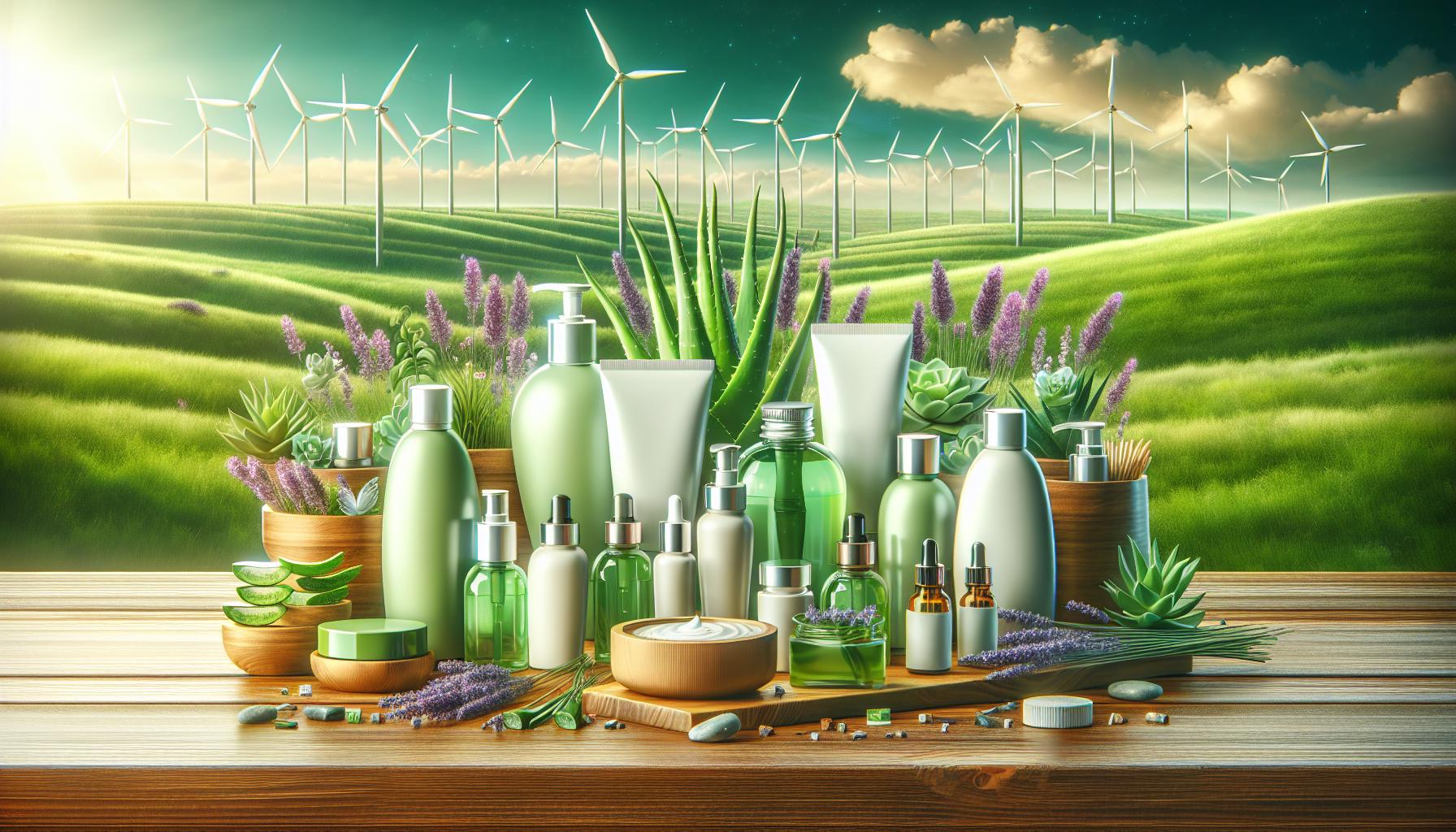
The beauty industry is undergoing a significant transformation as consumers become more conscious of the ingredients in their skincare products. Traditional beauty claims are being challenged, leading to a surge in eco-friendly skincare brands. This shift towards clean beauty is not just a fad; it reflects a growing demand for transparency and sustainability.
Why Clean Beauty Matters
Understanding the importance of clean beauty involves recognizing its key features:
- Natural Ingredients: Brands focus on using plant-based components, free from harmful chemicals. For instance, many clean beauty products contain ingredients like organic aloe vera, shea butter, and essential oils instead of synthetic fragrances or parabens, which are often linked to adverse health effects.
- Sustainable Packaging: Eco-conscious brands are adopting biodegradable or recyclable materials. Many companies are moving away from conventional plastic in favor of glass, aluminum, or compostable materials, which significantly reduce their environmental footprint. A great example is a brand that uses seed-infused packaging; once discarded, the packaging can grow into a plant, promoting a cycle of sustainability.
- Ethical Practices: Many companies commit to cruelty-free testing and fair labor practices. This entails not only avoiding animal testing but also ensuring that fair wages and safe working conditions are provided to all employees. Brands like Lush and Burt’s Bees have pioneered these practices, demonstrating that ethical standards can coexist with profitability.
As a result, the clean beauty movement has given rise to numerous innovative brands revolutionizing the skincare landscape. Consumers are demanding more than just effectiveness; they seek products that align with their values. This ongoing evolution has made it essential for the industry to adapt and prioritize sustainability. The success of clean beauty brands can be seen in the rising sales figures, with the global clean beauty market projected to reach over $22 billion by 2024, according to various industry reports.
Exploring Eco-Friendly Brands
To navigate this burgeoning market, it’s crucial to highlight brands that stand at the forefront of the clean beauty revolution. Companies like Herbivore Botanicals and 100% Pure are leading the way, offering products that are as effective as they are environmentally responsible. Lesser-known startups, such as RMS Beauty, are also gaining traction with their commitment to clean ingredients and sustainable practices.
From lesser-known startups to established names rebranding their products, the options are diverse. By evaluating these eco-friendly skincare brands, we can uncover solutions tailored to meet both skincare needs and environmental responsibilities. With the increasing visibility of these brands, consumers are empowered to make informed choices, shifting the entire industry toward a more sustainable future. The clean beauty movement is more than just a trend; it is an essential part of a larger conversation about health, ethics, and environmental responsibility.

DISCOVER MORE: Click here to learn about the rise of sustainable beauty
The Clean Beauty Landscape: Reshaping Skin Care Choices
As the demand for clean beauty continues to rise, consumers are confronted with an overwhelming array of options. The clean beauty marketplace is characterized not only by its variety but also by a commitment to transparency. Shoppers are increasingly scrutinizing labels, seeking detailed information about the origins and effects of the ingredients used in their skincare routines. In a world where the term “natural” can often be misleading, eco-conscious brands are stepping up with certifications that provide assurances regarding their claims.
Ingredients Under the Microscope
One of the defining features of eco-friendly skincare brands is their focus on safe and effective ingredients. This isn’t just about excluding harmful chemicals; it’s about highlighting beneficial elements that nourish the skin. Key trends include:
- Minimalist Formulations: Many clean beauty brands are gravitating toward streamlined ingredient lists. By avoiding unnecessary fillers and additives, they emphasize the potency of individual natural components.
- Active Botanicals: Ingredients like green tea extract, rosehip oil, and hyaluronic acid are becoming staples in formulations designed to hydrate, restore, and protect. These active botanicals often provide multiple benefits, appealing to consumers looking for efficiency in their beauty regimens.
- Transparency in Sourcing: Brands are increasingly revealing where their ingredients come from. This commitment not only fosters consumer trust but also highlights the importance of supporting sustainable agriculture and ethical harvesting practices.
As a result of this heightened awareness, new players in the beauty industry are taking a bold approach by integrating science and sustainability into their product lines. For example, companies such as Youth To The People are blending traditional botanicals with cutting-edge science, demonstrating that clean and effective skincare can go hand in hand.
The Role of Consumer Advocacy
The evolution of clean beauty is significantly influenced by consumer advocacy. Social media platforms have become essential tools for educating consumers about the implications of their skincare choices. With hashtags like #CleanBeauty trending across Instagram and TikTok, a vibrant community of advocates is sharing knowledge and product recommendations. This grassroots movement has fueled a rise in eco-friendly skincare brands while putting pressure on mainstream companies to adapt and respond to these changing consumer preferences.
Moreover, numerous third-party organizations and apps have emerged to help consumers make informed decisions. Resources that offer ingredient breakdowns and product ratings empower buyers to choose wisely, ensuring their skincare aligns with their values. In an industry that once thrived on marketing hype, this transparency is revolutionary.
As consumers continue to gravitate toward clean beauty, the landscape is evolving rapidly. Brands that once relied on conventional practices are now facing the necessity to re-evaluate their approaches. Thus, the clean beauty movement not only benefits individual wellness but also fosters an overarching culture of responsibility and environmental stewardship in the beauty industry.
The Rise of Clean Beauty: Exploring Eco-Friendly Skincare Brands
As more consumers become environmentally conscious, the global skincare market is witnessing a significant shift towards clean beauty. This movement is not only about using safe, non-toxic ingredients but also promoting brands that prioritize sustainability and ethical practices. In this section, we will delve deeper into some compelling advantages of adopting eco-friendly skincare brands, which are leading the charge in the clean beauty revolution.
| Eco-Friendly Skincare Benefits | Key Features |
|---|---|
| Natural Ingredients | Many eco-friendly brands utilize plant-based ingredients, ensuring products are gentle and reduce the risk of irritations. |
| Sustainability | Using sustainably sourced materials and recyclable packaging minimizes environmental impact, appealing to eco-conscious consumers. |
| Transparency | Many brands offer full disclosure regarding their sourcing and manufacturing processes, helping consumers make informed choices. |
| Cruelty-Free Practices | A commitment to cruelty-free testing ensures that no animals are harmed in the development of products, aligning with ethical consumer preferences. |
The advantages highlighted in the table illustrate why consumers are gravitating towards eco-friendly skincare brands. They not only focus on personal health but also contribute to a healthier planet, making a case for the ethos of clean beauty. As the awareness of the necessity for sustainable practices expands, these brands are becoming increasingly popular, positioning themselves as leaders in an evolving industry. The clean beauty movement advocates for products that not only enhance our beauty but also protect the environment, catalyzing a broader conversation about the choices we make in our daily routines. Whether you’re seeking environmentally-safe alternatives or simply looking to align your skincare routine with your values, exploring the world of eco-friendly brands offers a plethora of innovative options.
DISCOVER MORE: Click here for a step-by-step skincare guide
Innovations in Clean Beauty: Bridging Eco-Friendly Practices and Modern Science
The intersection of innovation and sustainability is driving the clean beauty movement into uncharted territories. As ecological awareness heightens, eco-friendly skincare brands are not only rethinking their formulations but also breaking new ground in their production methods. This commitment to sustainability extends far beyond ingredient selection, delving deep into the entire lifecycle of the product.
Packaging and Sustainability
In an era where plastic pollution is a pressing environmental crisis, eco-conscious brands are pioneering sustainable packaging solutions. Brands like Herbivore Botanicals and Ethique are leading the way with initiatives that prioritize compostable, refillable, or recyclable packaging. These brands are using materials such as biodegradable cardboard and glass, transforming the product experience into one that aligns with eco-minded values.
Such innovations not only minimize waste but also encourage consumers to rethink their relationship with personal care products. With programs like refill stations and recycling initiatives, consumers can enjoy their skincare routines while actively participating in reducing their overall ecological footprint.
Clean Beauty Beyond Skin Deep
The clean beauty space is also engaging with broader social issues, aligning itself with movements for diversity, inclusivity, and gender equality. Brands such as Fenty Beauty and ILIA Beauty are noted for their commitment to offering diverse shades and formulas that cater to a wide range of skin tones and types. This pledge aligns with the growing consumer demand for representation and authenticity within the industry.
Furthermore, many clean beauty brands are championing fair trade practices and community-driven initiatives that empower local farmers and artisans. These brands often prioritize ethically sourced ingredients and establish partnerships that ensure fair wages and working conditions, thus bringing a holistic approach to sustainability.
Scientific Validation of Clean Beauty Claims
The quest for effective formulations in clean beauty is prompting brands to seek scientific validation for their skincare claims. With a growing consumer base that values both safety and efficacy, brands are investing in research and development to back their formulations with reputable studies. This trend marks a shift from marketing-driven narratives to evidence-based claims supported by dermatological research.
Companies like Drunk Elephant emphasize their research-backed approach, focusing on biocompatible ingredients that are proven to work harmoniously with the skin’s natural processes. This scientific rigor not only enhances product reliability but also boosts consumer confidence in making informed choices tailored to their unique skincare needs.
Community Engagement and Education
Amidst these innovations, the role of community engagement remains pivotal. Clean beauty brands are leveraging social media platforms not just to market their products but also to educate consumers on best practices for skin health and environmental responsibility. Influencers and skincare enthusiasts are sharing their experiences and fostering conversations around choices that promote personal health and the planet’s wellness.
This community-driven approach fosters a sense of belonging among consumers dedicated to clean living and sustainable practices. Interactive campaigns and user-generated content are revitalizing the way brands engage with their audience, paving a path for deeper connections and fostering brand loyalty in an increasingly crowded market.
As the landscape of clean beauty evolves, the integration of scientific advancements, societal commitments, and sustainable practices exemplifies a significant shift in the industry that resonates with modern consumer values. With each innovation, eco-friendly skincare brands are not only redefining beauty standards but actively contributing to a healthier planet.
DISCOVER: Click here for the latest minimalist makeup trends
Conclusion: Embracing a Sustainable Future in Beauty
The rise of clean beauty represents a transformative movement within the skincare industry, where eco-conscious values intersect with consumer demand for transparency, effectiveness, and ethical practices. As brands continue to innovate by prioritizing sustainable ingredients, pioneering eco-friendly packaging, and championing social inclusivity, the definition of beauty is being reimagined. This evolution is not merely a passing trend; it is a crucial response to the critical environmental challenges we face today.
Moreover, the emphasis on scientific validation illustrates a necessary shift towards accountability, empowering consumers to make informed decisions about the products they use on their skin. As skincare enthusiasts embrace the holistic philosophy of clean beauty, they become part of a larger movement dedicated to protecting the planet and promoting well-being.
Moving forward, the call for community engagement will play a vital role in steering the clean beauty dialogue. As brands tap into social platforms to educate and connect with their audience, a vibrant community emerges—one that shares knowledge and fosters a commitment to sustainable practices. The intersection of education, innovation, and ethical sourcing sets the stage for a new era in beauty.
In conclusion, the clean beauty movement invites us all to reflect on our choices and their implications for our health and the environment. With numerous eco-friendly skincare brands rising to the occasion, consumers are equipped with the tools to champion change within the beauty industry. As we continue to witness this shift, it becomes evident that opting for clean beauty is not only a personal choice but a collective responsibility towards a healthier, more sustainable future.