The Rise of Natural Ingredients in Beauty Trends
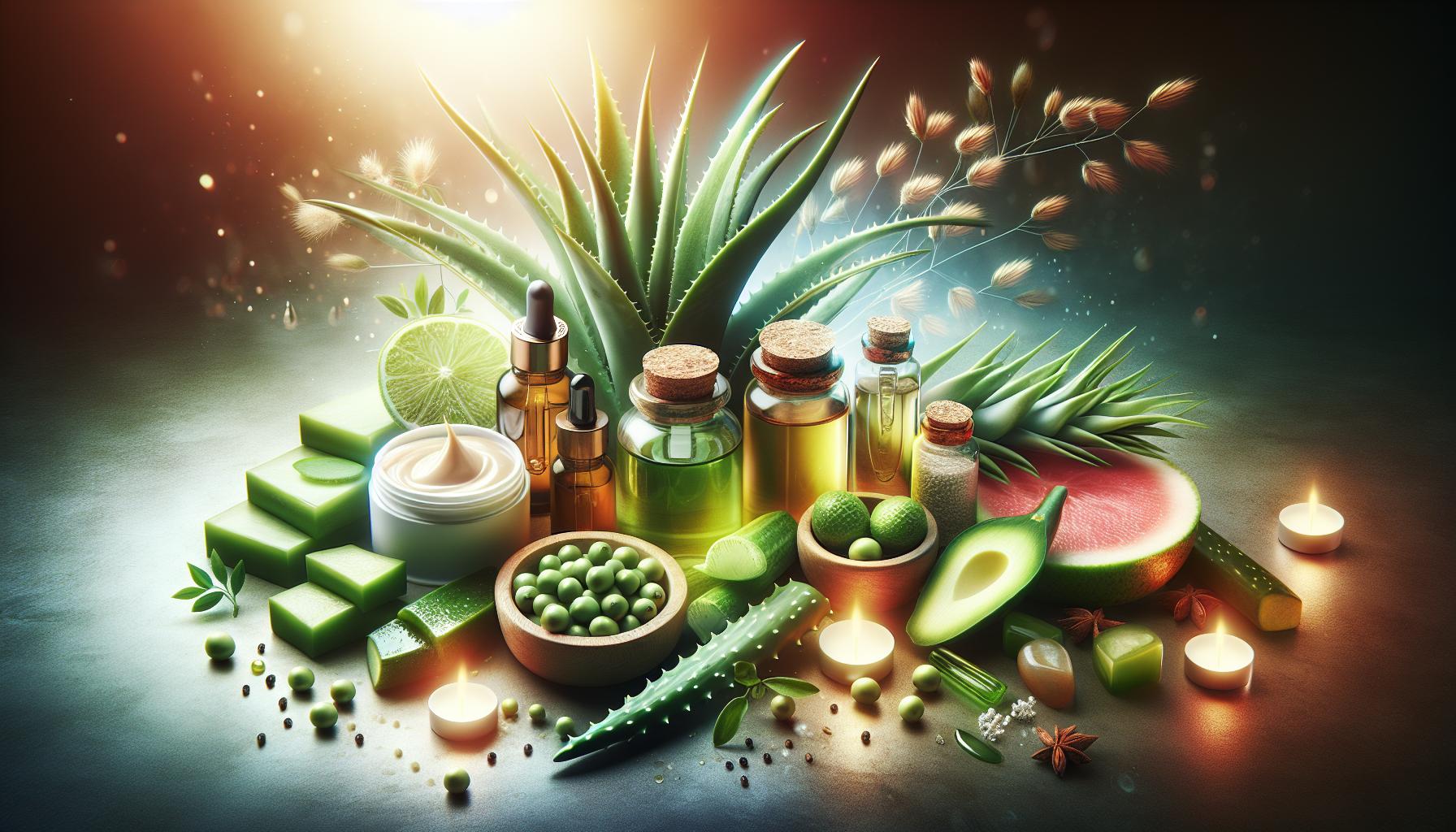
The Evolution of Consumer Preferences
In today’s fast-paced world, there is a compelling narrative unfolding within the beauty industry. An increasing number of consumers are making conscious choices, leaning heavily into products that boast natural ingredients. This movement is not merely a trend; it reflects a larger, growing awareness of health and wellness, intertwined with a robust desire for sustainability and ethical practices in beauty. As more individuals become educated about chemical compounds often found in traditional beauty products, there’s a palpable shift toward all-natural alternatives.
Trending Natural Ingredients
Shoppers are beginning to understand the significant benefits of harnessing nature’s bounty. Among the most celebrated natural ingredients in personal care are:
- Aloe Vera: This succulent has been used for centuries for its soothing and healing properties. Ideal for sensitive skin, aloe vera helps alleviate sunburn and hydrate dry areas, making it a staple in after-sun products.
- Green Tea: Packed with antioxidants such as polyphenols, green tea extracts are prized for their ability to combat the effects of aging and sun damage. Many brands incorporate it in their formulations to promote a more youthful, glowing complexion.
- Coconut Oil: Known for its remarkable moisturizing properties, coconut oil acts as a natural barrier to lock in moisture. It serves dual purposes, not only for skin but also as a nourishing hair treatment, enhancing shine and reducing frizz.
- Shea Butter: Extracted from the nuts of the shea tree, this buttery substance is rich in vitamins and fatty acids. Its emollient qualities make it superb for addressing dry skin issues, proving especially beneficial in winter months.
These trending ingredients are paving the way for new product formulations that reflect a commitment to natural beauty. As consumers increasingly seek transparency, brands are responding by reformulating and highlighting ingredient lists, demonstrating their dedication to ethical sourcing and natural alternatives.
The Social Media Influence
The impact of social media platforms cannot be overstated in this evolving narrative. Influencers and beauty gurus are increasingly sharing their personal experiences with natural products, sparking curiosity among their followers. Through tutorials and product reviews, they showcase the tangible benefits of organic ingredients, thus influencing consumer choices. As this phenomenon continues to rise, brands are feeling the pressure to adapt and meet the growing demand.
A Sustainable Future in Beauty
This movement toward cleaner beauty marks a significant departure from conventional beauty standards. As we move further into the 21st century, the beauty landscape is anticipated to undergo even more transformational changes. The emphasis on sustainability does not only involve the ingredients used but also extends to packaging and production methods. Many brands are now focusing on eco-friendly packaging and minimizing their carbon footprint as a part of their commitment to the environment.

In essence, the return to natural beauty is a powerful reflection of the modern consumer’s values. As awareness of health, ethics, and sustainability continues to grow, we can expect this trend to shape not only beauty preferences but also the broader market. The future beckons, offering rich opportunities for both consumers and brands to collaborate in creating a more responsible and aesthetically pleasing world.
DISCOVER MORE: Click here for essential hydration tips
The Allure of Clean Beauty
The ascent of natural ingredients in beauty trends is not simply a fleeting fancy; it is a fundamental shift deeply rooted in consumer demand for cleaner, safer products. As people become more aware of the substances they apply to their skin, it’s hard to ignore the noise surrounding synthetic chemicals. Reports link many of these compounds to health concerns, from skin irritations to long-term hormonal imbalances. Consequently, savvy consumers are turning to products that celebrate transparency and holistic wellness.
In a marketplace once dominated by brands touting anti-aging miracles with chemical-laden formulas, natural ingredients are providing a breath of fresh air. The rationale behind this transition is fortified by a wave of research supporting the benefits of botanical extracts and naturally derived components. With countless options at their fingertips, shoppers are increasingly favoring products that reflect a commitment to nature.
Consumer Education and the Pursuit of Authenticity
As the dialogue around clean beauty evolves, education plays a crucial role in guiding consumer choices. Online communities have become hotspots for discussions on ingredient safety, while educational platforms and blogs dive into the science behind these natural alternatives. Notably, the Environmental Working Group (EWG) has emerged as a valuable resource, providing ratings and insights on countless beauty products. This resourcefulness breeds an inquisitive consumer base determined to make knowledge-driven decisions.
- Transparency in Labeling: More brands are now embracing straightforward labeling, clearly detailing the origin and purpose of each ingredient.
- Ethical Farming Practices: The focus on sustainability extends beyond ingredients to include ethical sourcing and fair trade practices, resonating with socially conscious consumers.
- Scientific Backing: Brands are increasingly incorporating scientific studies to validate their use of natural ingredients, strengthening their credibility.
- Personalized Beauty: With the rise of customization in beauty products, consumers are more empowered to choose formulations that align closely with their unique preferences and skin concerns.
This proactive approach toward understanding the components of beauty products aligns with a broader trend where consumers are seeking a more authentic connection with brands. Instead of merely selling a product, many companies are working to convey their values, stories, and commitment to sustainability. This cultural shift encourages brands to participate in a narrative that prioritizes the health of both the consumer and the planet.
As the influence of natural ingredients continues to dominate beauty discussions, it is clear that this movement is more than just a phase; it is a genuine call for beauty to align more closely with the core values of health, ethics, and environmental stewardship. The implications of this paradigm shift are vast, not only for consumer preferences but also for how brands choose to innovate and market their products in a crowded industry.
The Benefits of Embracing Natural Ingredients
As beauty trends evolve, the shift towards natural ingredients reflects not only a desire for effective products but also a growing consciousness about health and sustainability. This trend is rooted in the recognition that nature often provides solutions that are gentler on the skin and the environment.
| Category | Key Features |
|---|---|
| Enhanced Skin Health | Natural ingredients like aloe vera and shea butter provide nourishment and hydration without harmful chemicals. |
| Eco-Friendly Practices | Brands are focusing on sustainable sourcing and packaging, appealing to environmentally conscious consumers. |
The use of organic materials not only enhances product efficacy but also aligns with a lifestyle that prioritizes wellness. Ingredients such as coconut oil, jojoba oil, and essential oils contribute to improved skin texture and appearance while offering aromatherapeutic benefits. Furthermore, the trend is mirrored in the rise of clean beauty brands that avoid synthetic chemicals, attracting a demographic that is increasingly informed about ingredient transparency.Additionally, the popularity of DIY beauty remedies has surged, fueled by social media platforms where users share homemade concoctions. This not only empowers consumers but also emphasizes the versatility and efficacy of natural components. Influencers often highlight their skincare routines that incorporate items from the kitchen cabinet, proving that beauty doesn’t need to come from commercial products. As awareness grows, many brands are committing to educating their customers about the potential benefits of natural ingredients, prompting a deeper engagement with their products and fostering brand loyalty. With consumers more attuned to their purchasing habits and product origins, this significant shift towards natural beauty ingredients demonstrates a lasting change in the beauty industry landscape.
DISCOVER MORE: Click here to learn about the celebration of diversity in beauty
Innovative Brands Leading the Charge
As demand for natural beauty products surges, a new wave of innovative brands has emerged, challenging established names and reshaping the industry landscape. These forward-thinking companies are tapping into the wealth of knowledge surrounding natural ingredients while employing the latest technology to maximize their efficacy. For instance, brands like Herbivore Botanicals and RMS Beauty focus on minimalistic formulations enriched with potent botanical extracts, emphasizing quality over quantity.
The rise of natural ingredients has also galvanized small businesses, often led by passionate entrepreneurs who prioritize not just profit but also customer wellness and environmental responsibility. Many of these brands place a premium on vegan, cruelty-free, and eco-friendly practices, which resonate strongly with today’s conscious consumer. A vibrant example is Wildcraft, a Canadian skincare brand that crafts products using locally sourced ingredients and follows sustainable practices.
The Influence of Social Media and Influencers
The power of social media cannot be understated in the context of beauty trends, particularly when it comes to advocating for natural ingredients. Platforms like Instagram and TikTok, brimming with beauty influencers, have become vital in disseminating knowledge about the benefits of natural beauty products. Influencers often share their personal experiences with these products, inviting their followers to explore the world of clean beauty.
Hashtags such as #CleanBeauty or #GreenBeauty have gained significant traction, creating online communities that celebrate the use of natural ingredients. This visibility translates to increased consumer awareness, as users can easily find recommendations and testimonials. As brands cultivate relationships with influencers, they leverage these platforms to educate their audience, making the notion of natural beauty both approachable and aspirational.
Regulatory Changes and Industry Standards
The rise of natural ingredients has prompted discussions around regulatory changes and industry standards, particularly as consumers become increasingly discerning. In response to this trend, some advocacy groups have been lobbying for stricter regulations on cosmetic ingredients. For example, the FDA in the United States is under pressure to establish clearer guidelines regarding labeling and the safety of cosmetic products, especially those marketed as “natural” or “organic.”
At the same time, organizations such as the Cosmetic Ingredient Review (CIR) are working to ensure that products on the market meet essential safety and efficacy standards. By addressing chemical safety and eco-impact, these movements aim to demystify label claims, ensuring that the term “natural” is backed by a level of accountability.
A Community-Centered Approach
The movement towards natural beauty ingredients is not just about personal beauty routines; it’s also about fostering a sense of community and shared values. Initiatives that promote local sourcing and support farmers who practice sustainable agriculture are gaining momentum. Brands that adopt a community-centered approach create a cycle of support, benefiting both consumers and producers.
Companies are increasingly embracing initiatives that contribute to local economies and help protect biodiversity. For example, brands like 100% Pure ensure that their formulations utilize ethically sourced vegan ingredients, while also investing in recycling and waste reduction efforts. These efforts echo a growing consumer demand for brands that prioritize ethical business practices and social responsibility.
In summary, with innovative brands paving the way, empowered consumers leading the dialogue, and regulatory shifts beginning to take shape, the movement toward natural ingredients in beauty trends continues to evolve. As this trend solidifies its position within the beauty industry, it undoubtedly indicates a future that prioritizes health, authenticity, and sustainability.
DISCOVER MORE: Click here to learn about sustainability trends
Conclusion: Embracing a New Era in Beauty
The beauty industry is undergoing a remarkable transformation, driven by the decisive shift toward natural ingredients and a more conscious approach to consumer health and well-being. With innovative brands redefining standards and small businesses capturing the essence of community and sustainability, the landscape of beauty has never been more vibrant. As consumers become increasingly discerning, the demand for transparency and accountability is reshaping the way products are formulated, marketed, and regulated.
Moreover, the role of social media in amplifying this movement cannot be overlooked. Platforms like Instagram and TikTok have elevated discussions around clean beauty, allowing influencers to cultivate authentic connections with followers and democratize the knowledge of natural products. This engagement fosters a greater understanding of ingredient safety and efficacy, ensuring consumers are empowered in their choices.
As regulatory bodies adapt to the growing demands for stringent guidelines, the convergence of ethics and aesthetics becomes central. The importance of sustainability, local sourcing, and ethical business practices is increasingly recognized by both consumers and brands alike. This collective shift towards a more conscientious beauty industry speaks volumes about a society eager to prioritize holistic well-being over mere appearance.
Looking ahead, the rise of natural ingredients in beauty trends is not just a fleeting notion but a significant movement poised to redefine beauty ideals. For the industry, this is an invitation to innovate responsibly; for consumers, an opportunity to embrace products that nourish not only their skin but also the planet. As this trend continues to evolve, it urges all of us to rethink our relationship with beauty—ultimately leading us toward a future that values health, authenticity, and sustainability in every aspect of our lives.