The Ultimate Guide to At-Home Facial Devices: Do They Really Work?
Understanding the Popularity of At-Home Facial Devices
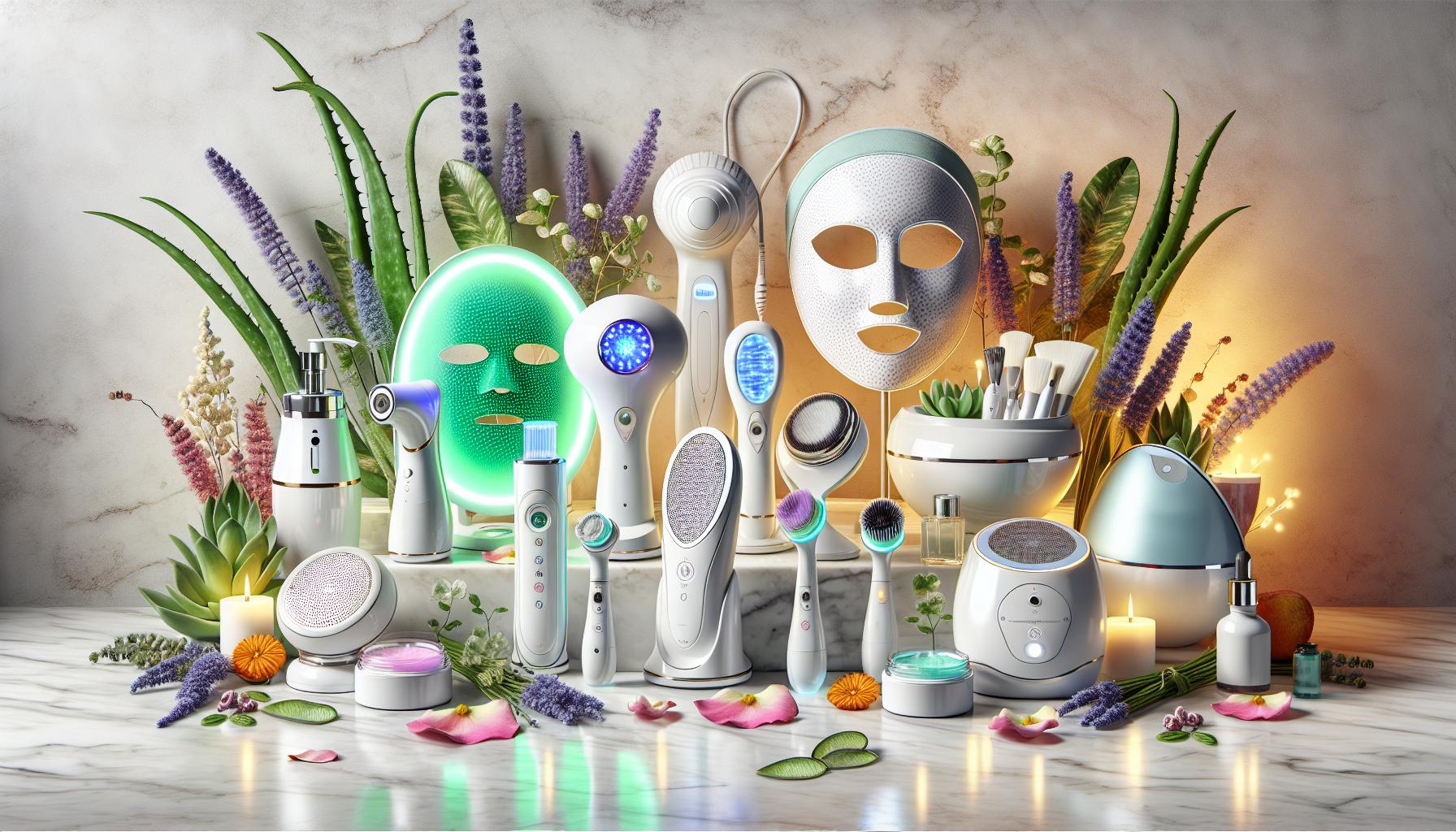
In a world obsessed with skincare, at-home facial devices have surged in popularity, promising spa-like results in the comfort of your own bathroom. With a myriad of options flooding the market—ranging from LED masks to ultrasonic skin scrubbers—consumers are left questioning: do they really work?
These devices tout an array of benefits that can transform one’s skincare routine. Among the most touted advantages are:
- Improved skin texture: Many devices promote smoother, healthier skin by exfoliating dead skin cells or stimulating cellular turnover.
- Reduced wrinkles: By enhancing collagen production or using microcirculation, certain tools aim to diminish the appearance of fine lines and age spots.
- Enhanced product absorption: Devices that create small pathways in the skin can help serums and moisturizers penetrate more deeply and effectively.
- Increased collagen production: Some technologies, such as microneedling and RF (radio frequency), are believed to stimulate the skin’s natural collagen synthesis.
To provide a clearer perspective on these claims, let’s delve into some popular types of at-home facial devices. For instance, LED therapy masks, which utilize varying wavelengths of light to target different skin concerns, have become a favorite among beauty enthusiasts. Blue light tends to combat acne, while red light is associated with anti-aging benefits.
Similarly, microcurrent devices are designed to mimic the natural electrical currents of the body, promoting facial contouring and lifting. Numerous users have reported visible results, touting them as a non-invasive facelift alternative. However, experts caution that consistent use over time is key to achieving and maintaining results.
As consumer choices grow, understanding the fine print of these products becomes crucial. What ingredients are safe to use with these devices? Are there specific skin types that should avoid certain treatments? Evaluating safety, and effectiveness alongside user reviews and expert recommendations can provide a well-rounded view of these gadgets.

It is also vital to consider that while many devices promise impressive outcomes, results may vary from person to person. The efficacy of these gadgets often depends on factors like skin type, individual concerns, and adherence to a proper skincare regimen. As a potential buyer, weighing the cost-benefit ratio becomes essential: are these devices worth your investment compared to professional treatments?
Join us as we sift through the noise and provide you with the ultimate insights into at-home facial devices. Empower yourself to make informed decisions that suit your skincare needs and help you achieve your desired results. The world of at-home skincare has never been more accessible; understanding it fully can open doors to effective self-care routines.
DIVE DEEPER: Click here to discover the magic of hyaluronic acid</p
Exploring the Efficacy of At-Home Facial Devices
As the at-home skincare regime becomes increasingly sophisticated, consumers are eager to know: do at-home facial devices deliver on their promises? While the technology behind these gadgets is advancing, understanding their functionality is essential before diving into the world of DIY treatments.
Many devices leverage familiar scientific principles found in professional skincare treatments, which may lend credibility to their claims. For instance, LED light therapy has gained traction, with studies suggesting that specific wavelengths can enhance collagen production and reduce inflammation. Beyond just anecdotal evidence, clinical trials have shown improvements in skin clarity and texture for consistent users. But how do these claims translate in practice?
Another common device is the facial roller, often made from materials like jade or rose quartz. Advocates assert that rolling the skin can decrease puffiness, improve circulation, and even aid in lymphatic drainage. However, scientific backing is limited, leading some experts to regard it more as a soothing ritual than a potent skincare solution. Therefore, while the practice may feel luxurious, setting realistic expectations is vital.
A popular category is microcurrent devices, which have been touted for their ability to stimulate facial muscles and promote skin tightening. These devices mimic the body’s own electrical currents, resulting in a ‘workout’ for your facial muscles. Users often report a more contoured appearance post-treatment. Nevertheless, dermatologists emphasize the importance of dedicated use—typically, results become more prominent over time rather than immediately.
- Frequency of Use: How often you use a device can significantly influence results. Consistency is key, particularly for microcurrent and LED devices.
- Complementary Products: The effectiveness of these tools can be enhanced with the right serums or skincare products. Ingredients such as hyaluronic acid or peptides work well with various devices, helping to boost absorption and results.
- Skin Type Considerations: What works for one skin type may not be beneficial for another. Understanding your skin’s needs is crucial when choosing the right device.
Despite the appealing features of many at-home devices, it is also essential to recognize potential limitations. Some gadgets require an introductory phase for the skin to acclimate, and others may have usage restrictions based on skin types or conditions. Additionally, user reviews can vary widely, with some praising effective outcomes while others express disappointment. This variance underlines the necessity for personal research and possibly even consulting a skincare professional prior to making a significant investment.
In summary, while at-home facial devices hold promise, the results may not be as universally groundbreaking as marketing would suggest. By understanding how these devices work and aligning them with your specific skincare goals, you can navigate this burgeoning market more wisely and potentially discover beneficial treatments tailored to your needs.
The Ultimate Guide to At-Home Facial Devices: Do They Really Work?
At-home facial devices have surged in popularity, driven by a desire for convenience and affordability in skincare routines. These devices promise to revolutionize how we approach our beauty regimen, and they come in various forms—LED masks, microdermabrasion tools, and facial rollers to name a few. Each offers unique advantages aimed at treating specific skin concerns. But do they live up to the hype? In this section, we dive deeper into some of the common types of at-home devices and their purported benefits.
Types of At-Home Facial Devices
Many at-home facial devices claim to deliver spa-like treatments right at your bathroom sink. LED therapy devices utilize varying wavelengths of light to treat conditions like acne and signs of aging, promoting collagen production and healing skin. On the other hand, microcurrent devices work by stimulating facial muscles to give the appearance of a lifted, youthful face. Additionally, ultrasonic skin scrubbers exfoliate and unclog pores using high-frequency vibrations, while facial steamers open up pores for a deep cleanse.
Understanding their Efficacy
The scientific backing for many of these devices is still growing, but early studies provide promising results. For instance, LED therapy has shown decent effectiveness in reducing inflammation and improving skin texture. According to leading dermatologists, consistent use—generally recommended at least two to three times a week—can lead to visible improvements over time. As with any skincare treatment, individual results can vary significantly.
What to Consider Before Investing
When considering at-home facial devices, it’s crucial to evaluate your skin type and specific concerns. Not every device is suitable for everyone. For example, those with sensitivity may experience irritation from certain LED treatments or microcurrent devices. Moreover, cost-effectiveness should also play a role in your decision-making process; investing in a high-quality device often proves more beneficial than purchasing multiple lower-quality alternatives. Always consult research reviews and skincare professionals to guide your selections.
The Impact of Regular Use
Integrating these devices into your regular skincare routine can enhance your overall results significantly. They can complement topical products by allowing better absorption of ingredients. Many users report glowing skin and visibly reduced symptoms of aging after consistent use. However, results are not instantaneous and maintaining realistic expectations is key.
| Category | Advantages |
|---|---|
| LED Therapy Devices | Improves skin texture and reduces inflammation. |
| Microcurrent Devices | Offers a non-invasive facelift effect. |
| Ultrasonic Skin Scrubbers | Deeply cleanses pores and exfoliates effectively. |
| Facial Steamers | Enhances absorption of skincare products. |
As you explore the world of at-home facial devices, remember that proper research and a genuine understanding of your skin’s needs can empower you to make informed choices. The journey to healthy skin can indeed become a DIY venture!
DISCOVER MORE: Click here to uncover the truth behind anti-aging serums
Understanding the Different Types of At-Home Facial Devices
With a myriad of options available on the market, it can be overwhelming to determine which at-home facial device might be the right fit for your skincare routine. Each device operates on distinct principles and technology, catering to specific skin concerns and goals. Let’s delve deeper into some of the most popular types of these devices and their purported benefits.
1. Ultrasonic Devices
Ultrasonic facial devices utilize high-frequency sound waves to exfoliate the skin and cleanse pores. By vibrating at a rate that often exceeds 20,000 Hz, these devices can enhance the absorption of skincare products, effectively driving actives deeper into the skin. Users frequently report improved skin texture and a refreshing glow after incorporating ultrasonic tools into their regimen. However, dermatologists recommend caution for those with sensitive skin, as inappropriate usage can lead to irritation.
2. Radiofrequency Devices
Another exciting innovation in the at-home facial device arena is radiofrequency technology. This method gently heats the deeper layers of the skin, stimulating collagen production and promoting tighter, more youthful skin. Typically used for tightening sagging skin, these devices often come with variable intensity settings to cater to individual comfort levels. While many users applaud the results, consistent application is essential, as results may take weeks to fully manifest.
3. Facial Steamer Devices
Facial steamers have become a staple in many skincare routines, known for their ability to open pores and deeply cleanse the skin. Steam hydrates the skin while allowing skincare products to penetrate more effectively. While many aficionados appreciate this pre-treatment step, dermatologists stress moderation as excessive steaming can cause dehydration and irritation, particularly for those with certain skin conditions such as rosacea.
4. Iontophoresis Devices
Iontophoresis devices work by using electric currents to enhance the penetration of skincare products into the skin, increasing their effectiveness. This method is typically associated with improved delivery of treatments aimed at pigmentation, hydration, and anti-aging. Users might notice heightened skin luminosity and firmness after consistent use. However, achieving desired results often necessitates a learning curve regarding application technique.
5. The Role of Personalized Skin Assessments
As the understanding of skin health continues to evolve, various brands are now introducing facial devices accompanied by personalized skin assessment tools. These tools leverage technology to provide tailored guidance based on your unique skin profile, making the device more effective. Utilizing an AI-driven app can enhance user experience, offering specific product recommendations and treatment plans for ongoing results.
While the allure of at-home facial devices is strong, ensuring you select the right device aligned with your skincare needs requires a bit of research. Understanding skin concerns, device capabilities, and how these treatments fit together can pave the way for more informed decisions. Additionally, the impact of selecting the right complementary products is significant; investing in serums that work in tandem with these devices can enhance results and make your overall skincare regime all the more effective.
Ultimately, the effectiveness of at-home facial devices hinges on proper usage, consistent dedication, and realistic expectations. As technology advances and more devices enter the market, informed choices will help you unlock the potential benefits tailored to your unique skincare journey.
EXPLORE MORE: Click here to uncover the secrets
Conclusion
As we navigate the world of at-home facial devices, it becomes evident that these tools can offer a convenient and effective addition to our skincare routines. Each type of device serves a unique purpose, from ultrasonic and radiofrequency technologies to facial steamers and iontophoresis gadgets. However, the question remains—do they really work? The answer is nuanced. While many users have reported positive outcomes such as improved skin texture, increased hydration, and a youthful glow, the effectiveness often hinges on proper usage, consistency, and realistic expectations.
Choosing the right device requires a thoughtful understanding of your individual skin type and concerns. Personalized assessments, increasingly available through advanced technology and AI-driven applications, can enhance the user experience, ensuring that each device is tailored to your unique needs. Moreover, the synergy between these devices and complementary skincare products can further amplify results, creating a powerful combination for achieving your ideal complexion.
Ultimately, while the allure of at-home facial devices is undeniably strong, their true potential is realized only through informed choices and an ongoing commitment to skincare. As technology continues to evolve, staying abreast of industry advancements and new products will empower you to make the best decisions for your skin health. So, whether you’re a skincare novice or a seasoned enthusiast, exploring the capabilities of at-home facial devices could be your gateway to a radiant, rejuvenated appearance.