The Influence of Pop Culture on New Beauty and Skincare Trends
Pop Culture’s Profound Impact on Beauty and Skincare
In today’s consumer landscape, pop culture plays an instrumental role in influencing the decisions and preferences of beauty enthusiasts. The intersection of glamour and everyday aesthetics is increasingly dictated by celebrity culture, digital platforms, and a conscious societal shift toward sustainability. This dynamic has created an environment where beauty trends not only reflect societal values but actively reshape them, leading consumers to redefine personal beauty standards.
Celebrity Influence on Beauty Trends
Prominent public figures like Kim Kardashian and Rihanna wield significant influence over consumer choices, often introducing products that generate immense demand. For instance, Rihanna’s Fenty Beauty line revolutionized the industry by offering a diverse range of foundation shades, quickly selling out and prompting mainstream beauty brands to expand their own offerings. Similarly, when Kardashian endorses a new skincare product, it often results in items flying off the shelves within mere hours, illustrating the power of celebrity endorsements in shaping consumer priorities.
The Digital Age and Social Media Amplification
Social media platforms, especially Instagram and TikTok, have transformed how beauty trends emerge and spread. The rapid proliferation of visual content fosters a culture of emulation, where trends like “glass skin” and “no-makeup” looks gain traction overnight. The “glass skin” trend, which emphasizes dewy, flawless skin, is often showcased by influencers in ideal lighting, prompting consumers to seek out specific products or skincare routines that promise similar results. Furthermore, TikTok challenges, such as makeup transformations, have seen millions of participants, illustrating how digital engagement influences beauty routines.
Shifting Toward Sustainable Beauty
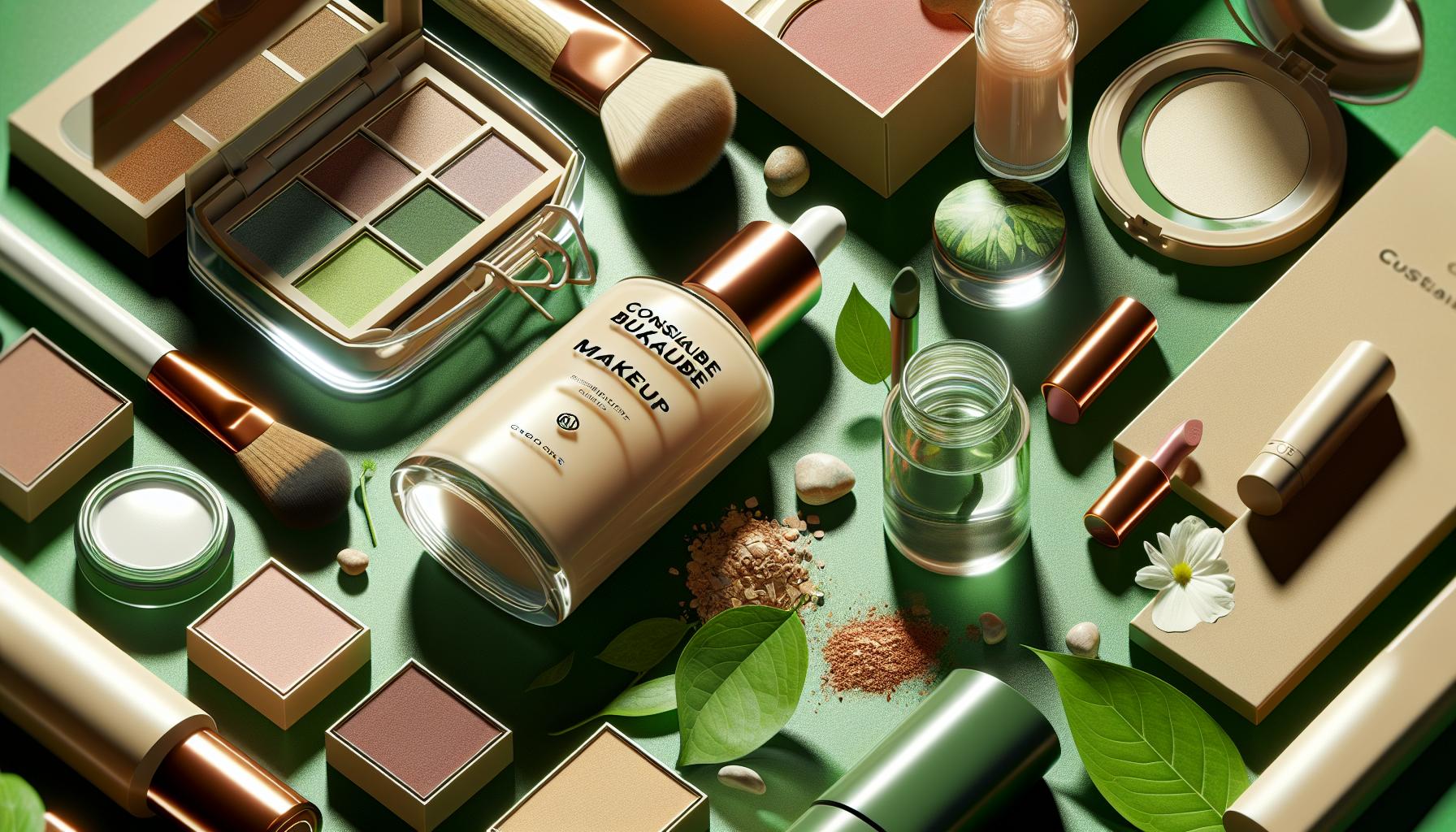
As awareness regarding environmental issues grows, there has been a significant rise in interest surrounding sustainable beauty. Eco-friendly practices within pop culture are becoming a driving force for the popularity of vegan and cruelty-free products. Brands that prioritize ethical sourcing and sustainable packaging have begun to flourish, as consumers increasingly opt for products that align with their values. This trend is exemplified by brands like Beautycounter, which highlights its commitment to clean ingredients and sustainability, appealing to a growing demographic concerned about environmental impact.
The Convergence of Fashion and Visual Media
The interplay between fashion, beauty, and visual media—ranging from hit series on Netflix to major guild-winning films—intensifies the emphasis on attractive aesthetics. Audiences are captivated not only by compelling narratives but also by the beauty standards portrayed on screen. This synergy, in turn, has a direct impact on product development and marketing strategies, as brands strive to connect with consumers by mirroring the engaging styles and aesthetics showcased in popular media.
Brands Innovating for Inclusivity and Technology
With the rise of diverse representations in media, brands are compelled to cater to a broader spectrum of skin tones and types, thus promoting inclusivity. This transformation is illustrated by initiatives from brands like MAC Cosmetics, which offers a wide range of products for all skin tones. Additionally, the emergence of skin tech gadgets—such as LED masks and facial rollers—featured by influencers enhances public interest in beauty technology, making these devices highly sought-after by enthusiasts eager to elevate their skincare routines.
In conclusion, pop culture is more than a reflection of beauty standards; it is a transformative force that molds consumer behavior and expectations. By understanding these intricate connections, we can anticipate how beauty and skincare trends will evolve, highlighting the relationship between societal values, technology, and the ever-changing definition of beauty.
DISCOVER MORE: Click here to dive deeper into water products for oily skin
The Power of Celebrity Endorsements
In the vibrant world of beauty, celebrity endorsements have proven to be a game-changer, shaping trends and consumer preferences in unprecedented ways. Stars like Ariana Grande and Beyoncé, who have millions of followers and a substantial media presence, leverage their influence to launch beauty products that appeal to a broad audience. These celebrities not only introduce products but often become the face of entire beauty lines, creating a direct connection between their personal brands and consumer activity.
For instance, Selena Gomez‘s makeup line, Rare Beauty, has not only been praised for its quality but also for its emphasis on mental health, creating a dual narrative that resonates with today’s socially conscious consumers. Research indicates that consumers, particularly millennials and Gen Z, prefer products associated with personalities who share their values and lifestyles. This has led to a notable spike in sales for brands that effectively employ *star power* in their marketing narratives.
Emerging Beauty Trends Driven by Icons
The emergence of various beauty trends can be closely linked to the personalities that champion them. The phenomenon of the “Clean Girl” aesthetic, marked by minimal makeup and an emphasis on natural beauty, is largely attributed to influencers and celebrities who promote simplicity and authenticity in their daily routines. This trend emphasizes grooming, hydration, and skincare supremacy, pushing consumers to prioritize foundational products over elaborate makeup looks.
- Glass Skin: Originating from K-beauty before gaining traction with influencers, the glass skin look emphasizes a translucent, hydrated complexion.
- Bold Eye Makeup: With celebrities like Billie Eilish embracing daring eye looks, the trend of striking eye makeup has seen a resurgence, encouraging consumers to experiment.
- Emphasis on Skincare: The ‘skinimalism’ trend merges skincare and makeup, promoting a natural look achieved through a diligent skincare routine, often championed by well-known beauty gurus.
Furthermore, the ‘cosmetic surgery selfie’ trend, where celebrities openly discuss enhancements or procedures, is reshaping societal views of beauty. Icons like Cardi B and Kylie Jenner openly discussing their cosmetic enhancements have sparked dialogues around beauty standards and authenticity, impacting how consumers perceive and pursue beauty.
Your Favorite Influencers and Their Impact
Much of the influence doesn’t solely rest on A-list celebrities. Beauty influencers on platforms like YouTube and TikTok are equally pivotal in shaping beauty trends. Content creators like NikkieTutorials and James Charles have harnessed their platforms to launch viral trends while often collaborating with major brands. This has encouraged their audiences not only to try new products but to adopt a myriad of beauty trends stemming from these platforms. The ability to share looks, techniques, and products in real-time has slashed traditional barriers, allowing beauty trends to evolve almost instantaneously.
As pop culture continues to converge with the beauty industry, the implications are clear: celebrity influence is not simply a driving force; it’s a multifaceted phenomenon reshaping consumer behavior, preferences, and ultimately, the definition of beauty itself. Keeping an eye on these transformative movements enables consumers to navigate an ever-evolving landscape, understanding that today’s trends may be tomorrow’s standards.
The Influence of Pop Culture on New Beauty and Skincare Trends
When we consider the terms of beauty and skincare, it becomes evident that the dynamics within these fields are ever-evolving. Social media platforms, celebrity endorsements, and trending aesthetics significantly steer consumer preferences, shaping what is deemed ‘beautiful’ and ‘essential.’ An excellent reference point is the massive impact that popular figures such as influencers and celebrities have on promoting specific products and trends.Take, for instance, the rise of K-beauty, which has transcended borders, creating a significant demand for products focusing on natural ingredients, hydration, and multi-step routines. This cultural phenomenon illustrates how Asian pop culture has not only affected Western beauty standards but has also fostered a deep appreciation for meticulous skincare regimes. Brands are responding to this shift, incorporating innovative elements from popular culture, effectively bridging gaps between traditional practices and modern consumer needs.Furthermore, the advent of *celebrity skincare lines* has also contributed to this trend. Notable examples include renowned figures such as Rihanna and Jessica Alba, who have successfully launched their skincare products influenced by personal experiences and cultural representations of beauty. These ventures don’t merely sell products; they encapsulate stories, lifestyle, and inclusivity, which resonate with today’s consumers.In addition, the phenomenon of viral beauty trends—often propelled by TikTok and Instagram—illustrates how quickly new ideas can emerge and capture public fascination. Ingredients like *Niacinamide* and *Retinol* gain rapid popularity through short video tutorials, illustrating their effects in real-time, a perfect example of how pop culture influences skincare education and consumer engagement.To further explore this shifting landscape, let’s delve into the effects of these trends on the market through the following table, detailing essential categories that highlight the crossroads between pop culture and the evolution of beauty.
| Category | Description |
|---|---|
| Viral Ingredients | Key ingredients such as *Hyaluronic Acid* gain popularity through social media challenges and influencer reviews, reshaping skincare routines. |
| Celebrity Influence | Influencers and celebrities introducing unique products that reflect their cultural backgrounds and resonate with diverse audiences. |
By recognizing these connections between pop culture and beauty trends, one can better understand the compelling forces that influence personal beauty choices today. The discussion around these categories doesn’t just highlight current preferences but stimulates conversations leading to new levels of consciousness in the quest for beauty.
DISCOVER MORE: Click here for expert tips on choosing the best sunscreen
The Role of Social Media in Beauty Trends
As the digital landscape continues to expand, social media platforms are playing an increasingly critical role in the propagation of beauty trends. Instagram, TikTok, and YouTube are not just places for selfies or tutorials; they’ve transformed into vibrant beauty marketplaces where the latest products and techniques can rise to fame overnight. The sheer volume of user-generated content allows for a democratization of beauty standards, giving rise to a myriad of styles from different cultures and perspectives.
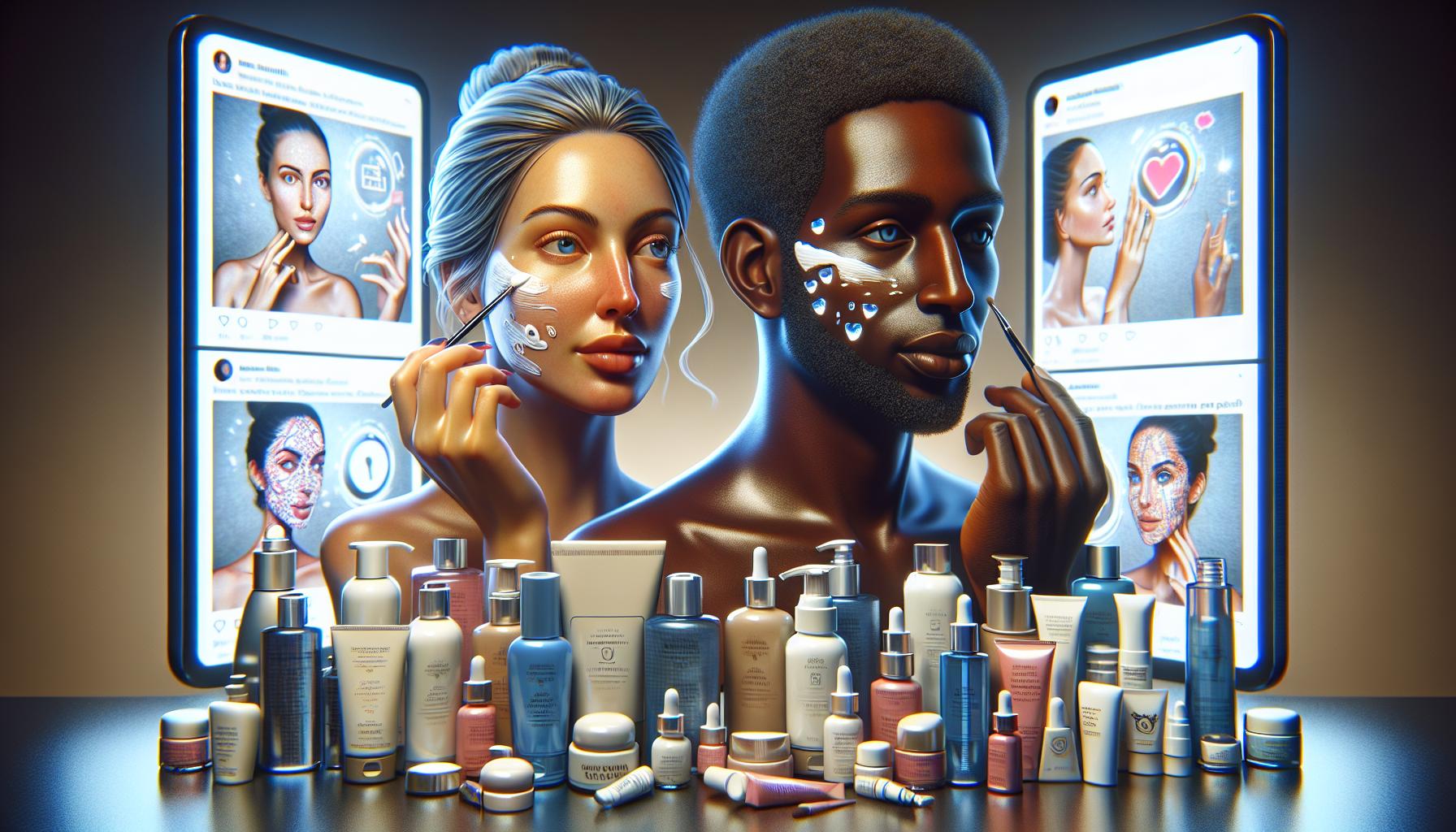
One of the most compelling examples of this phenomenon is the viral “#SkinTok” trend on TikTok, where users share their skincare routines, tips, and transformations. These short, engaging videos often lead to immediate spikes in product sales. For instance, brands like CeraVe and The Ordinary have become household names in a short period, largely due to the organic endorsements and reviews from influencers and everyday users alike. The “shocking before-and-after” posts amplify user engagement and encourage consumers to invest in products that promise dramatic results.
Micro-Influencers and Their Impact
While traditional celebrities carry weight, the rise of micro-influencers—individuals with a smaller yet highly engaged following—has changed the dynamics of beauty marketing. These influencers provide a sense of relatability that larger stars often lack, targeting niche audiences who resonate more deeply with their content. Brands are increasingly collaborating with micro-influencers because of their authenticity, leading to increased brand loyalty and conversions. For example, brands like Glossier have thrived on the grassroots marketing approach, utilizing influencers who express genuine enthusiasm for the products they promote.
- Diversity in Beauty: Micro-influencers often celebrate diverse beauty standards, promoting products suited for all skin tones and types. This fosters an inclusive environment where brands are encouraged to expand their product ranges, ultimately shifting industry norms.
- Community-Building: Influencers create communities around shared interests, from sustainable beauty products to cruelty-free brands, which leads to more informed consumers who demand transparency.
- Real-World Impact: By endorsing products that prioritize natural ingredients or eco-friendly packaging, micro-influencers contribute to an evolving conversation about responsible consumerism within the beauty industry.
The rise of social media has also accelerated movements surrounding clean beauty. Brands are challenged to disclose ingredients transparently, and consumers are increasingly demanding ethical practices, such as no animal testing and environmentally friendly packaging. Influencers have spearheaded these discussions, making it impossible for brands to ignore consumer expectations.
Pop Culture’s Reflection on Gender Fluidity in Beauty
Another profound impact of pop culture on beauty trends is the emergence of gender fluidity within the industry. Influential figures like Harry Styles and Lil Nas X are pushing the boundaries of traditional beauty norms, demonstrating that makeup and skincare are not restricted to any gender. Their bold choices have spurred an exciting influx of unisex and gender-neutral beauty products. Makeup brands are now catering to a more extensive demographic by launching collections that defy the conventional pink and blue labeling, promoting a broader spectrum of self-expression.
This shift in perception towards gender and beauty has opened doors for brands to innovate and create products that appeal to all consumers. As societal norms evolve, the beauty industry must continue to adapt, compelling brands to redefine what beauty means today. The influence of pop culture in this regard cannot be understated, as it actively drives the conversation around beauty, encouraging inclusivity, and reimagining traditional notions of attractiveness.
DISCOVER MORE: Click here for essential skincare tips for travelers
Conclusion
As we navigate through the vibrant intersection of pop culture and beauty, it becomes evident that the landscape is in a perpetual state of flux, driven significantly by social media and the voices of influential figures. The rise of platforms like TikTok and Instagram has ushered in a new era where beauty trends are not only born overnight but are also shaped by diverse cultural perspectives and innovative ideas. The democratization of beauty standards encourages a more inclusive environment, empowering individuals from various backgrounds to express themselves authentically.
The transformational role of micro-influencers cannot be overstated; their relatability and community-building efforts have fostered a marketplace where brands are held accountable for transparency and ethical practices. This movement towards conscious consumerism reshapes the industry, compelling companies to innovate continually. At the same time, the emergence of gender fluidity in beauty, championed by pop culture icons, challenges long-held notions of attraction and self-expression, paving the way for a more inclusive beauty narrative.
Ultimately, the influence of pop culture on new beauty and skincare trends serves as both a reflection of society’s evolving values and a catalyst for change within the industry. As we look ahead, one thing is certain: the dialogue around beauty will continue to expand, and consumers will play an integral role in shaping what beauty means in the years to come. Exploring these trends offers a fascinating glimpse into the future of beauty as it strives to be more than just skin-deep.