The Impact of Social Media on New Skincare Trends
The Digital Transformation of Skincare Trends
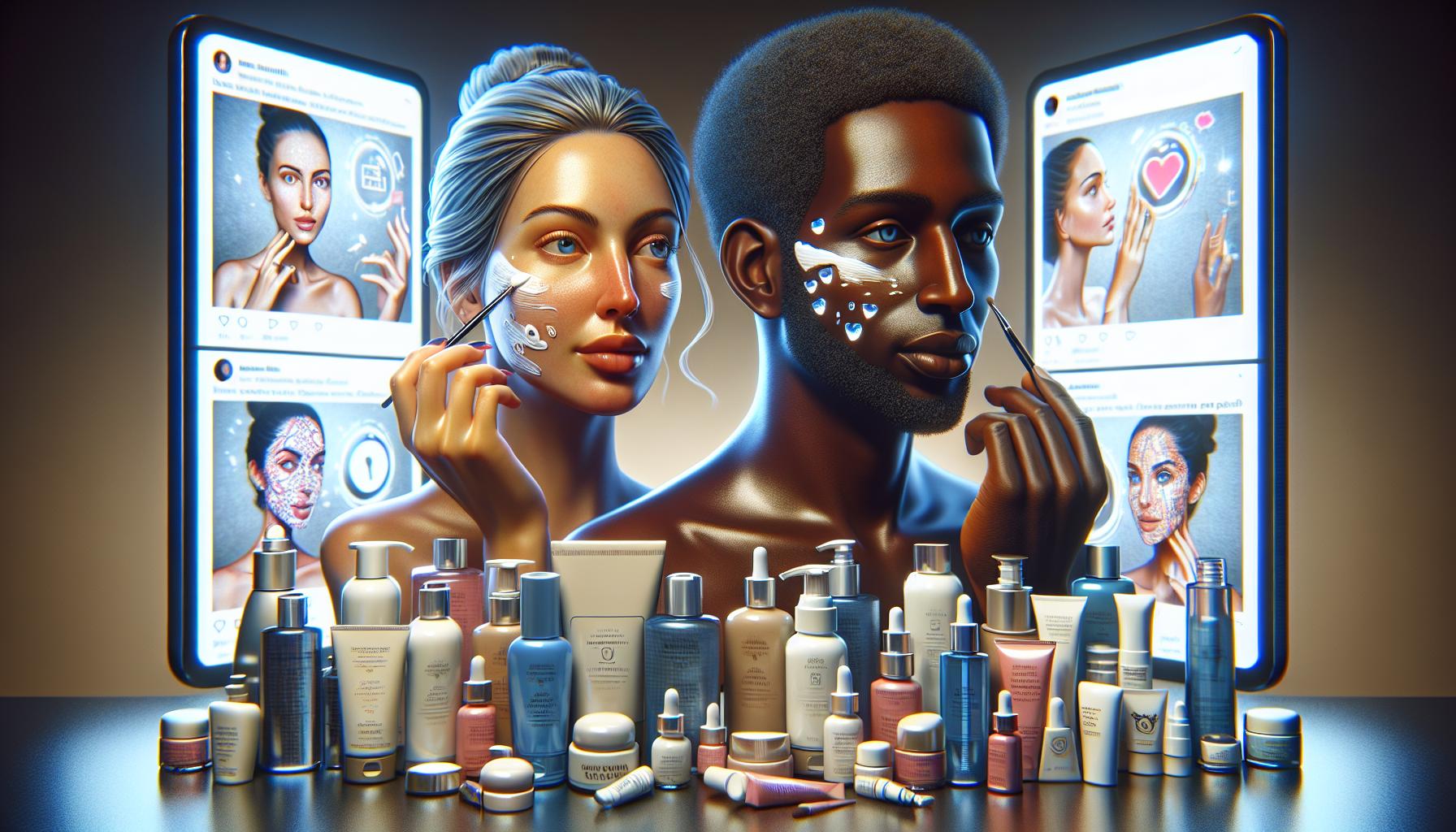
In today’s connected world, social media has transformed how we discover and engage with new skincare trends. Platforms like Instagram, TikTok, and YouTube have become vital spaces where beauty enthusiasts are exposed to an abundance of information, radiant visuals, and inspiration on a daily basis.
The digital explosion of the past decade has led to several notable shifts within the skincare industry, impacting both consumers and brands alike:
- Instant accessibility: Consumers now have unparalleled access to countless product reviews, detailed tutorials, and expert insights available at their fingertips. Online communities dedicated to skincare provide immediate feedback and shared experiences, allowing potential buyers to make informed decisions before purchasing products.
- Trend cycles: Emerging skincare fads can go viral overnight, propelled by hashtag challenges and influencer endorsements. For instance, the “slugging” trend—where users apply a thick layer of petroleum jelly as the final step in their skincare routine—gained massive traction after influencers showcased their results, leading to a surge in petroleum jelly sales.
- Community-driven insights: The rise of authentic, user-generated content has built a level of trust among consumers. Skincare aficionados share their real-life experiences with products, forming a community where advice is based on trials and tribulations rather than purely marketing messages.
This evolution in consumer engagement has drastically impacted how brands strategize their marketing efforts. For example, in the United States, the buzz surrounding “clean beauty” and sustainable skincare is reflective of broader societal shifts towards ethical consumption. Consumers are increasingly gravitating towards products free from harmful chemicals and favoring brands that prioritize eco-friendly packaging and cruelty-free practices.
Moreover, social media platforms have democratized beauty standards, allowing for a broader representation of skin tones, types, and textures. This transition encourages a more inclusive dialogue about skincare, moving away from the unrealistic ideals historically promoted in traditional media. As influencers from diverse backgrounds share their skincare routines, they foster an environment where personalized care takes precedence over one-size-fits-all solutions.
Furthermore, the power of these platforms not only shapes consumer behavior but also influences product innovation. Brands are honing in on specific consumer demands, such as multi-functional products and clean formulations, often unveiling new items in real-time to create buzz and excitement.
As we delve deeper into how social media continues to shape the skincare landscape, it becomes clear that this digital revolution is not just a phase; it marks a fundamental shift in how consumers approach beauty and self-care. The interplay between influencers and audience creates a dynamic environment that encourages exploration of new products and solutions, driving continual growth and evolution in the skincare industry.
DISCOVER MORE: Click here for essential beauty tips
Fueling Consumer Knowledge and Choices
The rise of social media has fundamentally revolutionized how consumers interact with skincare products, allowing for an unprecedented sharing of knowledge and experiences. With platforms like Instagram and TikTok acting as virtual classrooms, consumers are not just passive participants; they are actively engaging in education about skincare routines, ingredients, and the latest industry developments. This empowerment has reshaped consumer expectations and choices, shifting the power dynamics traditionally held by brands.
Influencer culture is at the forefront of this change, with beauty influencers and skincare experts curating content that resonates with millions. Through platforms like TikTok, short videos showcasing “day in the life” skincare routines, tips on combating specific skin issues, or reviews of new product launches reach an audience eager for authentic recommendations. The rise of micro-influencers, whose subscriber counts may be lower but whose engagement is often higher than that of mainstream beauty gurus, has magnified this effect. These influencers provide niche insights and are more relatable, thus driving significant trust among their followers.
In addition to influencers, the proliferation of user-generated content is a phenomenon that cannot be overlooked. Everyday consumers are sharing their skincare journeys through Before and After photos, video testimonials, and product hacks that sincerely resonate with an audience looking for relatable and pragmatic advice. This democratization of beauty allows consumers to validate potential purchases through peer-reviewed experiences rather than solely relying on celebrity endorsements or polished brand narratives.
- Ingredient transparency: The dialogue around ingredients has substantially shifted, with brands now held accountable for their formulations. Consumers are more informed and scrutinize product labels, often relying on social media to educate themselves about various substances, such as the benefits of hyaluronic acid or the drawbacks of parabens.
- Trend longevity: While some skincare trends surge quickly, others develop a staying power fueled by community engagement. Trends like skincare layering or the use of face oils have evolved from mere fads into mainstream practices embraced by many, turning into cultural phenomena rather than transient trends.
- Focus on skincare routines: Social media has given rise to detailed skincare routines that emphasize multi-step processes and targeted treatment plans. Consumers are inspired to customize their regimens according to their specific skin types, concerns, and lifestyles, resulting in a move towards personalized skincare solutions.
The influence of social media carries weight not only in educating consumers but also in shaping their perceptions of self-care. The stories shared by individuals from varying backgrounds have contributed to a growing acceptance of diverse skin types and concerns, ensuring that representation is more prominent than ever. The authentic dialogues around skincare challenges have allowed for the emergence of niche markets focused on conditions such as acne, eczema, or rosacea, further expanding the skincare offerings available to consumers.
As social media continues to evolve, it plays an essential role in influencing new skincare trends that resonate not just for the moment but may likely become ingrained in the fabric of everyday beauty routines. Understanding these trends allows consumers to make informed choices, placing them in the driver’s seat in this ever-changing skincare landscape.
As social media platforms evolve, they not only influence consumer behavior but also play a pivotal role in shaping skincare innovations and trends. The advent of Instagram and TikTok has given rise to a phenomenon known as “skincare routines,” which are often showcased through visually appealing content that captivates audiences. Users are now exposed to a plethora of products and techniques, leading to a surge in skincare education and awareness. Brands harness this momentum by collaborating with influencers who embody relatable beauty standards and promote products through tutorials and reviews. These partnerships ensure that marketing strategies resonate with younger audiences, turning followers into loyal customers. For example, terms like “glass skin” and “slugging” have become buzzworthy, significantly impacting consumer choices and sparking conversations around skin health.In addition to these viral trends, social media offers a platform for consumer feedback, enabling brands to refine their products based on real-time reviews and opinions. The immediacy of this feedback loop fosters transparency, encouraging companies to adjust their offerings to better meet the evolving needs of their clientele. As a result, consumers often feel more connected to the brands they support, driven by the relatable narratives shared online.The dynamic nature of social media not only enhances brand visibility but also empowers consumers to make informed decisions. As hashtags like #SkincareRoutine and #CrueltyFree gain momentum, shoppers are more likely to prioritize brands that align with their values, such as sustainability and efficacy. This emphasis on ethical consumption is shaping a new era of skincare that is as inclusive as it is innovative, leading to the emergence of clean and minimal ingredient lines designed to cater to varied skin types.To delve deeper into how social media continues to influence skincare trends, the following table outlines key categories and their corresponding impact.
| Trend Category | Influence Aspects |
|---|---|
| Social Media Challenges | Encourage user engagement and promote new products effectively. |
| Influencer Marketing | Builds trust through authentic endorsements and personal experiences. |
| Viral Trends | Brands see increased demand for products that cater to trending routines. |
This strategic fusion of social engagement and product marketing propels skincare trends into the spotlight, illustrating the profound impact social media has on contemporary beauty narratives.
DISCOVER MORE: Click here for insights on at-home facial devices
Highlighting the Role of Community and Collaboration
The impact of social media on new skincare trends extends beyond individual influencers and user-generated content. It encourages a sense of community among users that not only fosters engagement but also drives collaboration between brands and consumers. In this digital age, skincare enthusiasts often form tightly-knit communities around specific interests that shape the narrative of beauty and self-care. These communities allow for the rapid sharing of information, feedback, and recommendations, making it a fertile environment for new skincare trends to either flourish or fade away.
Online challenges and campaigns create buzz around skincare routines and products, often igniting viral movements that captivate substantial audiences. For instance, hashtag campaigns such as #30DaySkincareChallenge push individuals to share their skincare transformations, encouraging participation and driving others to experiment with new products or methods. This phenomenon not only exemplifies the power of collective experiences but also cultivates a culture of experimentation where consumers frequently try trending ingredients or practices in groups, amplifying the trend’s reach.
Moreover, social media has given rise to new forms of content that engage audiences further. Live Q&A sessions, tutorials, and webinars hosted by dermatologists and skincare experts are becoming increasingly popular, allowing consumers to seek personalized advice and recommendations in real-time. These interactive formats have proven effective in addressing consumer concerns about the efficacy of products and have significantly blurred the lines between consumer and expert, leading to a more informed audience.
- Collaborative product launches: Many skincare brands are partnering with popular influencers to create co-branded products that resonate with their audience’s needs. This collaboration has led to the emergence of limited-edition lines, specifically formulated for individual skin concerns, such as hyperpigmentation or sensitive skin, ensuring that consumer voices are represented in product development.
- Real-time feedback loops: Brands are increasingly leveraging social media as a tool for immediate feedback on new formulations or campaigns. By directly engaging with their consumers through polls or comments, they can quickly gauge sentiments and interests, thus allowing them to refine their offerings continuously. This agile approach to product development can change the game in an industry historically characterized by longer lead times.
- Global reach and influences: The interconnected nature of social media has enabled skincare trends to transcend geographical boundaries. Trends emerging in countries like South Korea or Japan often find rapid adoption in the United States, leading to an influx of K-beauty and J-beauty practices such as the 10-step skincare routine or innovative ingredients like snail mucin. Social media serves as a bridge that not only introduces a diverse array of products but also celebrates the cultural significance behind these practices.
The ability of social media to cultivate community, foster collaboration, and visualize skincare journeys has redefined the landscape of beauty and skincare. By celebrating authenticity through shared experiences and diverse representations, consumers can now find not just products but a full spectrum of skin narratives that resonate with their personal identities. The new skincare trends birthed in this vibrant digital space are not merely market-driven; they are reflective of authentic desires for connection, understanding, and recognition in an industry that continually evolves in response to its community.
DISCOVER MORE: Click here to learn about the role of hydration in skincare
Conclusion
In conclusion, the impact of social media on new skincare trends is undeniably profound, reshaping not just how consumers discover and engage with products, but also how brands interact with their audiences. This dynamic platform has democratized beauty, empowering consumers to express their skincare journeys while fostering a strong sense of community around shared experiences and challenges. Virtual interactions—be it through posts, reviews, or live sessions—are transforming the traditionally private act of skincare into a collective pursuit.
The rise of online campaigns and communities has accelerated trend cycles, allowing for instant feedback and rapid iterations in product development. Skincare brands, now more than ever, are finding value in collaboration with influencers and leveraging real-time consumer insights to create formulations that cater to the needs of their audiences. Additionally, the global exchange of skincare practices, particularly evident in the prevalence of K-beauty and J-beauty trends within the United States, illustrates how social media breaks down geographical barriers, introducing diverse routines and ingredients that resonate across cultures.
As the social media landscape continues to evolve, so will the world of skincare. Brands that prioritize authenticity, inclusivity, and community engagement are positioned to thrive, adapting to the shifting desires of informed consumers who seek not only effective products but also connection and support in their skincare endeavors. Thus, the future of skincare trends is not merely about what products are popular, but rather about the stories, identities, and communities that shape and define them.