The Influence of Technology on the Revolution of Beauty Trends: Innovations that Transform Skincare
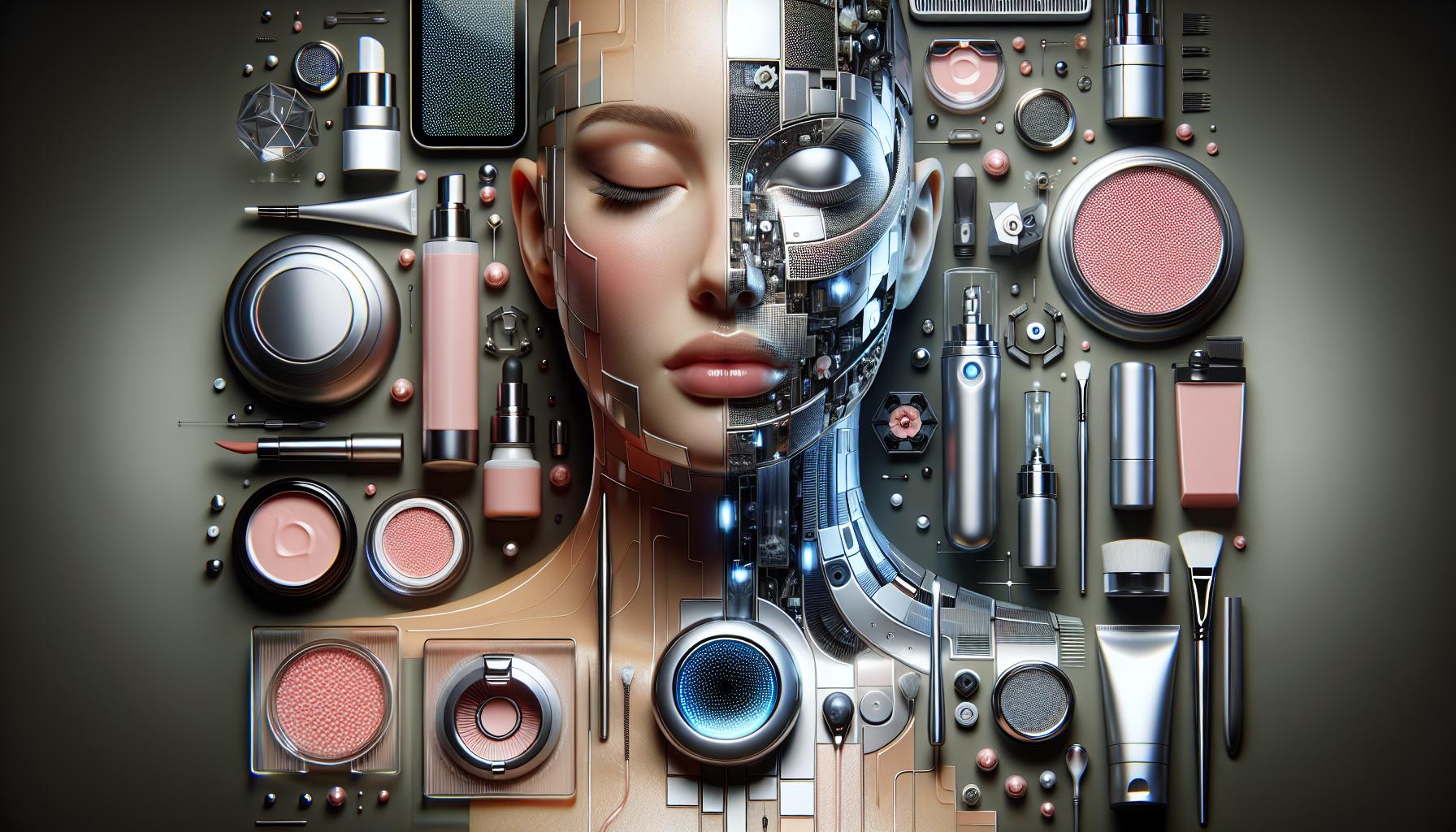
Technological Influences Shaping Modern Beauty
The influence of technology on beauty trends has become increasingly profound in recent years. Innovations in skincare are not merely a transient phase; they are fundamentally revolutionizing how we perceive beauty and care for our skin. With the pervasive reach of technology into our daily lives, beauty routines are evolving in ways that were unimaginable just a decade ago.
Key Innovations Transforming Skincare
From groundbreaking applications to advanced formulations, technology is paving the way for a new era in beauty. Consider some of the notable advancements:
- AI-Powered Personalization: Brands like Proven are leading the charge by utilizing complex algorithms to analyze individual skin conditions, lifestyles, and preferences to recommend tailored skincare regimens. This personalized approach not only enhances the effectiveness of skincare routines but also empowers consumers to take charge of their skin health.
- AR Try-On Features: Augmented Reality technology is making waves in product visualization. Tools from companies such as YouCam Makeup allow users to virtually try on makeup products before making a purchase, essentially eliminating buyer’s remorse. This feature is gaining traction especially among millennials and Gen Z, who prioritize shopping experiences that offer convenience and interactivity.
- Smart Skincare Devices: High-tech gadgets like LED masks and ultrasonic cleansers are revolutionizing home skincare routines. These devices help in delivering professional-grade results, making them accessible to a wider audience. For instance, LED masks that harness different wavelengths of light can target a variety of skin concerns – from acne to signs of aging – leading users to a more customized and effective skincare experience right from their homes.
- Ingredient Transparency: In an age where consumers are becoming increasingly eco-conscious and health-aware, apps like Think Dirty empower users to make informed choices about the products they apply to their skin. These applications provide data on product ingredients and their potential effects, catering to a growing desire for transparency in beauty products.
The intersection of technology and beauty is not merely transforming products; it is reshaping consumer expectations. As people become more knowledgeable, the demand for customized solutions continues to rise. Consumers now seek not only effectiveness but also clarity about what they are purchasing – be it skincare, makeup, or hair care products.
What Lies Ahead
The future of skincare looks promising, full of innovations that promise to make beauty regimens more efficient and effective. As we delve deeper into these cutting-edge technologies and their implications, we will explore how they are turning conventional beauty standards upside down. From AI to AR, the journey of discovery in beauty tech reveals that science and artistry are entwined like never before. Join us in uncovering the future of skincare where traditional beauty conventions are challenged, and personalized care reigns supreme.
In this era, the empowerment of the consumer is paramount, making it vital to stay informed about these advancements. As the boundary between technology and beauty continues to blur, there are endless opportunities for growth and improvement in personal care routines. The demand for innovation shows no signs of slowing down, hinting at a thrilling future filled with potential solutions for every skin type and concern.
LEARN MORE: Click here for tips on an effective nighttime skincare routine
The Evolution of Skincare with Technology
As technological innovations continue to reshape various industries, the beauty sector is experiencing a skincare revolution that is both exciting and transformative. The influx of technology into beauty routines is not just a cosmetic enhancement; instead, it’s a profound shift in how consumers approach their skincare journeys. With enhanced accessibility to information and advanced tools, individuals are tailoring their skincare to better meet their unique needs.
Revolutionary Technologies Reshaping Beauty
A wide array of technological advancements has emerged, each contributing to a more personalized and effective approach to skincare. Here are some key innovations that are proving to be game-changers:
- Online Skin Analysis: Platforms such as Skinsei provide users with comprehensive skin assessments by analyzing selfies taken with a mobile device. By offering detailed insights into skin type and concerns, these tools help consumers make informed choices about the products they should consider for their skincare routines.
- Biotechnology in Skincare Formulations: The rise of biotechnology has led to the development of powerful active ingredients derived from nature, which can deliver visible results. Ingredients like peptides, hyaluronic acid, and probiotics are becoming staples in formulations, offering advanced skin benefits that were once only achievable through professional treatments.
- Wearable Skin Devices: Innovations such as wearable skin trackers, like L’Oréal’s My Skin Track UV, measure UV exposure and humidity, providing real-time data that helps users adjust their skincare rituals. These devices bridge the gap between technology and skincare by encouraging individuals to respond to their unique environmental conditions.
- Virtual Consultations with Experts: Increasingly, consumers are seeking advice from dermatologists and skincare specialists through virtual platforms. Services like SkinSmart offer telehealth consultations, enabling people to receive expert advice without geographical barriers. This accessibility promotes well-informed decisions concerning skin health.
The implications of these technological shifts are profound. Consumers are no longer reliant on trial-and-error methods; they are emboldened by the power of technology and informed recommendations. This newfound knowledge is fostering a sense of ownership over personal skincare strategies and inspiring a customizable approach that aligns with individual skin types and conditions.
Changing Consumer Expectations
The evolving landscape of skincare is not simply about advancements in products; it reflects a broader change in consumer expectations. Today’s shoppers insist on more than just a well-marketed product; they demand transparency, efficiency, and results. As a result, brands that fail to integrate technology into their offerings risk falling behind. The integration of digital platforms, personalized analysis, and consumer education signifies that the beauty industry is not just following a trend but rather embracing an era of empowerment and innovation.
This technological shift is also paving the way for a more sustainable future in beauty. With increasing emphasis on ethical ingredient sourcing and eco-conscious production methods, technology facilitates the dissemination of information that allows consumers to make responsible choices. As we continue to explore these groundbreaking developments, it becomes clear that technology is not merely a tool in beauty but a driving force that shapes the very core of skincare trends.
The Role of Artificial Intelligence in Personalized Skincare
The rise of artificial intelligence (AI) is reshaping the beauty industry by offering unprecedented levels of personalization. Brands are increasingly leveraging AI-driven algorithms to analyze individual skin types, conditions, and even lifestyles. This technology facilitates the creation of tailored skincare regimens that effectively target specific issues such as acne, hyperpigmentation, and aging. With a few clicks, consumers can receive customized product recommendations that are scientifically backed and designed to suit their unique needs, making skincare more effective than ever before.
Augmented Reality: Transforming the Shopping Experience
Augmented Reality (AR) has emerged as a game-changer in how consumers engage with beauty products. Through AR technology, potential buyers can virtually try on skincare products, such as foundation and shades of lipstick, before making a purchase. This immersive experience not only enhances customer confidence in their choices but also reduces the likelihood of returns. Brands that adopt AR technology are setting themselves apart in a competitive market, demonstrating their commitment to innovation and customer satisfaction.
Smart Devices: The Future of At-Home Skincare
The innovation doesn’t stop at product recommendations. A range of smart skincare devices have hit the market, equipped with sensors that analyze skin conditions in real-time. These devices can track moisture levels, elasticity, and the presence of UV damage, providing ongoing insights that consumers can use to adjust their skincare routines effectively. By integrating technology into at-home skincare, brands are empowering users to achieve salon-quality results from the comfort of their homes.
Blockchain Technology: Ensuring Transparency
Another significant development is the use of blockchain technology in the beauty industry. This innovation promotes transparency regarding product sourcing, ingredient authenticity, and supply chain practices. Consumers are increasingly demanding ethical and sustainable practices from brands, and blockchain enables them to trace the origins of the products they use. By utilizing this technology, brands not only cater to consumer demands but also build trust and credibility in the highly scrutinized beauty industry.
Conclusion
In summary, the integration of technology into beauty trends marks a significant turning point for the skincare landscape. From personalized regimens powered by AI to AR-enhanced shopping experiences and smart devices, these innovations are transforming how consumers approach skincare. As technology continues to advance, the potential for further revolution in the beauty sector remains vast and promising, inviting beauty enthusiasts to explore a future where skincare is both sophisticated and tailored to individual needs.
DISCOVER MORE: Click here to learn about the latest trends in sustainable beauty
Redefining Product Development through Data and Analytics
The technological renaissance in skincare extends beyond consumer-facing applications; it encompasses significant changes in how products are developed, manufactured, and marketed. Leveraging data analytics has become a cornerstone for beauty brands, enabling them to gather insights that inform everything from product formulations to targeted marketing strategies.
Predictive Analytics and Consumer Behavior
One of the most notable trends is the use of predictive analytics to understand consumer behavior and preferences. Brands like Procter & Gamble employ sophisticated algorithms to analyze market data and social media trends, allowing them to anticipate consumer needs and optimize product lines accordingly. These insights help brands develop solutions that align with evolving skincare demands, ensuring they stay ahead of the curve.
Customized Formulations Through AI
Artificial intelligence (AI) is also making waves in the realm of customized skincare solutions. Innovative companies like Function of Beauty offer personalized products based on consumers’ specific skin concerns, preferences, and lifestyles. Customers begin by completing a detailed questionnaire or using an AI-powered analysis tool, which then formulates unique products tailored to their unique needs. This level of personalization not only adds value to the consumer experience but also creates a sense of connection between the buyer and the brand.
The Rise of Smart Packaging
Smart packaging technology is yet another fascinating development in the skincare industry. Brands are innovating packaging that interacts with consumers, providing real-time information on product usage and sustainability practices. For example, Neutrogena has launched a line of products with packaging that syncs with an app, allowing users to get reminders, product usage tips, and even refill alerts. These advancements not only enhance user engagement but also support eco-conscious efforts by promoting efficient use of products and reducing waste.
Social Media and Influencer Impact
Furthermore, technology has transformed the marketing landscape through social media platforms, driving product discovery and influencing beauty trends on an unprecedented scale. Brands are increasingly collaborating with influencers, who have become pivotal in shaping consumer perceptions and preferences. The hashtag #SkincareRoutine on platforms like Instagram and TikTok boasts millions of posts, showcasing product reviews, tutorials, and unboxing experiences that engage potential consumers in real-time. This interactive approach is shifting traditional marketing paradigms and giving voice to consumers’ authentic experiences.
Virtual and Augmented Reality Experiences
Physical shopping experiences are now complemented by virtual and augmented reality, creating immersive environments for skincare exploration. Technologies such as AR filters allow users to visualize how products may interact with their skin types before making a purchase. Brands like Sephora have implemented virtual try-on tools, enabling customers to experience the impact of different shades, textures, and formulations without ever stepping into a store. This application of technology not only enhances the shopping experience but builds consumer confidence in their purchases.
As technology continues to integrate into every facet of skincare, it fosters innovation, drives sustainability, and personalizes consumer interactions. The resulting impact serves to empower consumers, educate them on best practices, and inspire them to take an active role in their skincare regimen. With advancements happening at an exponential rate, the beauty landscape is witnessing a robust transformation that will likely set the standard for the future of skincare. The identification of unique components through technology persists as both an opportunity and a challenge for brands aiming to thrive in this competitive market.
DISCOVER MORE: Click here for the secret to radiant hair and skin
Concluding Thoughts on the Technological Transformation of Skincare
In conclusion, the influence of technology on beauty trends is undeniably profound, shaping the future of skincare in ways that were previously unimaginable. The integration of cutting-edge data analytics, artificial intelligence, and smart packaging has streamlined product development, making it more responsive to consumer needs and preferences. This data-driven approach empowers brands to create customized solutions while enhancing sustainability practices through intelligent product usage.
As we navigate this tech-infused beauty landscape, the role of social media and influencer marketing cannot be overlooked. Their impact in shaping consumer perceptions is monumental, creating a community that engages with brands on a personal level. Innovative experiences facilitated by virtual and augmented reality further enrich the consumer journey, ensuring that shoppers feel informed and confident in their skincare decisions.
Moving forward, it is crucial for brands to embrace these technological advancements not only as tools for efficiency but as gateways to deeper connections with their consumers. Emphasizing transparency, user feedback, and ongoing innovation will be vital in building trust and loyalty. As the skincare industry continues to evolve, those that seize the opportunities created by technology will set new standards and redefine what it means to care for one’s skin in the modern age.
Ultimately, the intersection of technology and beauty offers exciting prospects for the future, encouraging all of us to explore and discover new innovations that can enhance our skincare routines and elevate our understanding of beauty. The journey into this transformative realm has just begun, and the potential for new breakthroughs is limitless.