The Impact of Social Media on New Skin Care Trends
Understanding the Dynamics of Skin Care in the Age of Social Media
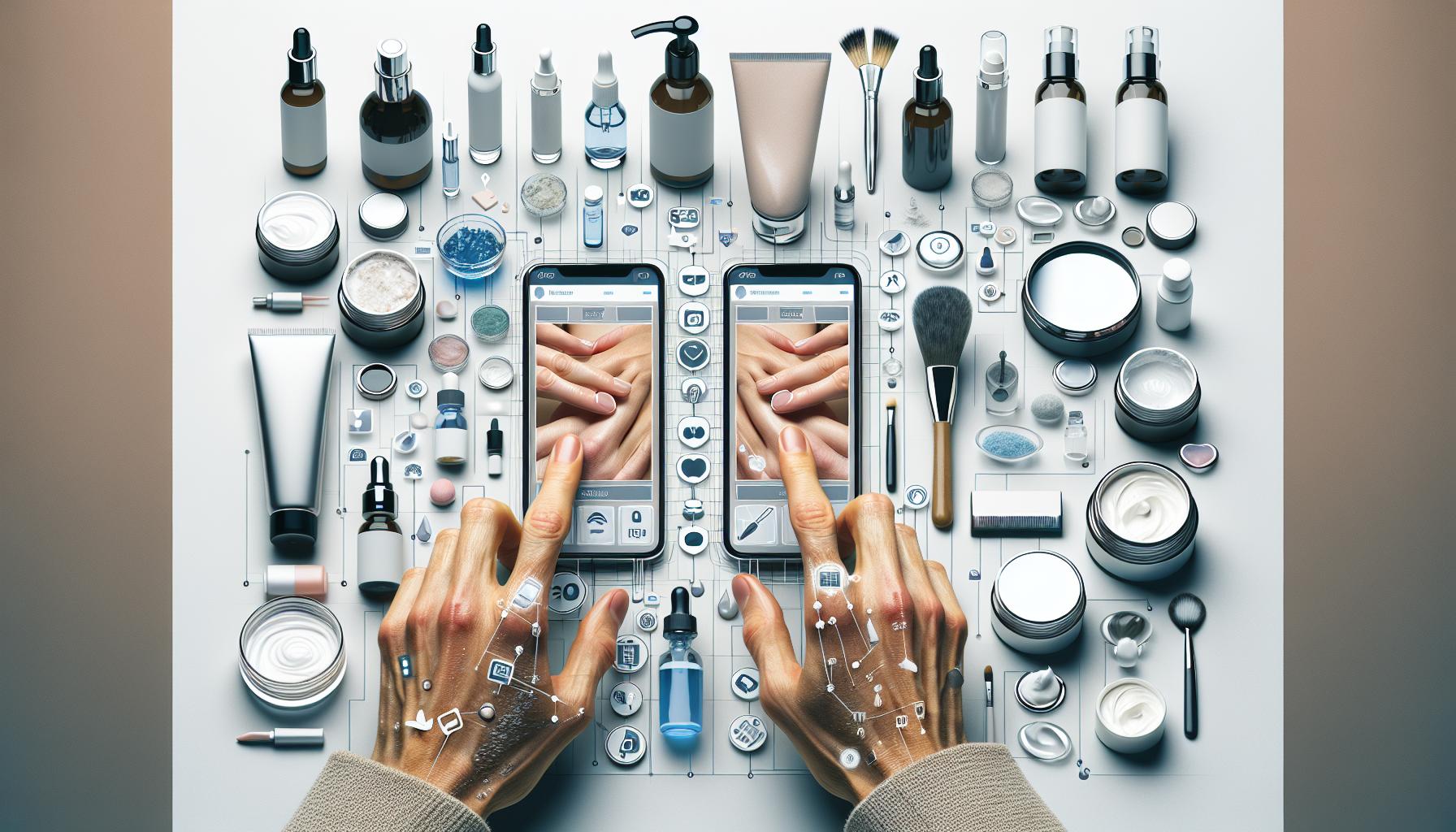
Social media has become a transformative force in how consumers approach skin care, influencing everything from product discovery to purchasing decisions. As platforms like Instagram, TikTok, and YouTube continue to gain traction, they not only showcase the latest trends but also serve as platforms for education and community building. A closer examination of this digital environment reveals how intertwined technology and beauty have become in shaping consumer behaviors and preferences.
Influencer Marketing plays a pivotal role in this landscape. Brands collaborate with beauty influencers who possess massive followings, often turning these individuals into trusted voices within the community. For instance, influencers like Huda Kattan and James Charles have leveraged their platforms to launch their own beauty lines, simultaneously promoting their products and sharing skincare tips. Their personal endorsements often lead to increased sales and immediate buzz around specific products. A study by the marketing firm Mediakix estimates that influencer marketing can drive up to 11 times greater ROI than traditional forms of advertising, highlighting its effectiveness and reach.
- Viral Challenges have also gained momentum on these platforms, capturing the imagination of users. For example, TikTok’s “Skincare Routine Challenge” encourages participants to showcase their multi-step routines, often featuring specific products. This trend not only highlights popular items but can also lead to a surge in consumer interest, as viewers strive to replicate the results of influencers and peers alike.
- User-generated Content fosters a collective environment where consumers feel empowered to share their experiences. Platforms such as Instagram allow users to showcase before and after photos, write reviews, and provide detailed feedback on products. This plethora of authentic content builds trust among potential buyers, making them more likely to invest in a product that has been positively reviewed by their peers.
Furthermore, the rapid spread of information on social media enables brands to adapt quickly to consumer preferences. For instance, if a specific ingredient—like hyaluronic acid or niacinamide—grows in popularity, brands can swiftly pivot their marketing strategies to emphasize these components in their product lines. This agility ensures that companies remain relevant and can capitalize on emerging trends.
Moreover, social media democratizes access to skin care knowledge, allowing a wide array of voices—from dermatologists to everyday skincare enthusiasts—to impart their wisdom. This has led to an increased awareness of skin health and best practices, emphasizing education alongside product sales. Importantly, it allows for diverse narratives about skin care to emerge, reflecting the varied experiences and needs of consumers across different demographics.
As we delve deeper into this complex interplay between social media and skin care, it becomes evident that these platforms significantly shape not just the products we choose but also our overall understanding of skin care principles. The trends evolving through these channels not only mirror shifting consumer values and desires but also carve out a new future for beauty in America and beyond. By staying informed and engaged with this dynamic landscape, consumers can make empowered choices that suit their individual skin care journeys.

DISCOVER MORE: Click here to dive into the trends
The Intersection of Social Validation and Skin Care Products
In the era of social media, skin care trends are not merely driven by product efficacy; they are also greatly influenced by social validation and peer interactions. The rise of platforms such as Instagram and TikTok has created a vibrant ecosystem where skin care recommendations are shared at lightning speed, often impacting purchasing decisions. The concept of social proof—the psychological phenomenon where people look to the behaviors of others to guide their own actions—is amplified in the beauty industry. When followers see influencers showcasing their glowing skin attributable to certain products, they are more likely to view these items as worthy investments.
Furthermore, the world of skin care has seen a significant shift toward transparency. Influencers and brands alike are prioritizing authenticity in their messaging. For example, brands that emphasize clean ingredients and ethical practices are gaining traction, resonating with a more health-conscious and environmentally aware audience. This pivot in focus aligns with studies indicating that 73% of millennials are willing to pay more for sustainable products. It is evident that the eco-conscious consumer is shaping the future of the industry, and social media acts as a megaphone to amplify these values.
The Role of Hashtags in Discovering Trends
Hashtags are a critical tool in navigating the sea of content on social media, serving as pathways to information about skin care trends. Popular hashtags such as #SkincareRoutine, #GlowUp, or #DermatologistApproved enable users to quickly find trendsetting products and effective methods. These hashtags not only help consumers find content but also support the viral nature of specific products, often leading to sell-outs and heightened brand visibility.
- Before and After Transformations: Posts showcasing personal transformations using particular products generate immense interest. These compelling visuals serve as both inspiration and motivation for consumers, prompting them to participate in their own skin care journeys.
- Tips from Professionals: With dermatologists and skin care specialists increasingly active on social media, users have access to a wealth of expert advice. This direct line to professionals is invaluable, empowering consumers to make informed decisions regarding their skin care routines.
- Interactive Content: Brands utilize tools like polls and quizzes on platforms like Instagram Stories to engage their audience actively. Such interactive content not only enhances brand interaction but also provides insights into consumer preferences and emerging trends.
Moreover, the role of social media is not limited to product promotion; it is also a platform for conversations about skin inclusivity and diversity. This expanded dialogue allows individuals from varying backgrounds to share their unique skin concerns and solutions, leading to a richer discussion around skin care products that cater to diverse needs. As consumers feel their voices are heard, it fosters a more inclusive industry, which has often been criticized for its lack of representation.
As we further explore the implications of social media on skin care trends, it becomes clear that the interaction between consumers and influencers creates a dynamic feedback loop that continuously shapes preferences, encourages experimentation, and redefines beauty standards. Understanding the profound influence of this digital age allows consumers to navigate the vast array of products and trends with a more discerning approach.
The Rise of Influencer Marketing in Skin Care
In recent years, social media has become a powerful platform for influencer marketing, particularly within the skin care industry. Brands are increasingly collaborating with social media influencers to promote their products, tapping into their established audiences for greater reach and credibility. Influencers share personal reviews, tutorials, and recommendations, often showcasing products in a relatable context that resonates with their followers.
This paradigm shift has prompted brands to focus more on engagement rather than traditional advertising. Consumers are more likely to trust recommendations from an influencer they follow than generic advertisements, leading companies to refine their marketing strategies. This trend not only aids in brand awareness but also empowers consumer choice, allowing individuals to find products that align with their specific skin concerns.
Real-Time Feedback and Trends
Social media enables brands to receive instant feedback on new products and trends. Customers can post immediate reviews and share their experiences, helping brands gauge public reception. Platforms like Instagram and TikTok can propel a product to virality overnight, making fleeting trends a common occurrence in the skin care market. For example, the rise of green beauty products can be attributed to viral content highlighting their efficacy and environmental benefits.
Additionally, trends born out of social platforms often lead to the swift evolution of ingredients and offerings. Brands must remain agile, adapting quickly to new consumer demands and preferences showcased on these platforms. This accelerated pace of change is shaping not just what products are available, but how skin care routines are developed and experienced.
A Sense of Community and Education
Another impact of social media on skin care is the creation of a supportive community focused on education and sharing experiences. Online forums and discussion groups allow users to exchange tips and advice, dismantling the stigma associated with various skin issues. This sense of belonging fosters a learning environment where users are encouraged to explore new products and techniques, ultimately leading to a more educated consumer base.
As consumers continue to seek validation and connection, brands that recognize and harness the community aspect of social media will likely thrive. This collaborative atmosphere also empowers users to take an active role in their beauty journeys, increasingly prioritizing personalized skin care solutions over one-size-fits-all approaches.
| Advantage | Description |
|---|---|
| Influencer Marketing | Leverages social media personalities to promote skin care products, enhancing trust and outreach. |
| Instant Feedback | Provides brands with real-time consumer insights, allowing for rapid adaptation to trends. |
| Community Engagement | Fosters support and education among consumers, leading to more informed skin care choices. |
In conclusion, the intersection of social media and skin care is a dynamic one, continuously shaping how products are marketed and consumed. As these platforms evolve, they pave the way for innovative trends that prioritize personal connection and informed choices.
DISCOVER MORE: Click here to learn about the benefits of Vitamin C for your skin
The Viral Nature of Trends and Their Impact on Consumer Behavior
Social media’s capacity to create viral trends has transformed the skin care landscape, influencing what products consumers choose and how they perceive their own skin challenges. Take the skincare phenomenon of “Slugging,” for example—it became a TikTok sensation that encouraged applying a thick layer of petrolatum-based products as the final step in a nighttime routine. The term itself became a searchable tag, branching into countless videos showcasing how this technique could improve hydration levels overnight. It is an illustration of how quickly a single idea can spread and shape consumer behavior and product utilization.
Moreover, the explosion of user-generated content has led to the rise of skinfluencers—ordinary social media users who share their personal skin care journeys, complete with before-and-after pictures and detailed product reviews. This grassroots movement contrasts with traditional advertising, as these influencers often build their credibility through relatability and authenticity, which resonates strongly with followers. Recent research indicates that 79% of consumers often trust recommendations from influencers over brand advertisements. This trust prompts shoppers to take action, whether it is purchasing trending products or adopting new skincare routines.
The Science Behind Social Media Trends
Understanding the science of how products go viral on social media is crucial for both brands and consumers. The algorithms that govern platforms like Instagram and TikTok favor engaging content that sparks conversations. Posts that receive high engagement rates—likes, comments, and shares—are prioritized, leading to increased visibility. Consequently, brands are crafting campaigns tailored to elicit emotional responses from their audience, using bright visuals, catchy captions, and relatable narratives. This marketing approach is not merely about the product itself; it focuses on the lifestyle it promotes.
- Micro-Moments: Social media takes advantage of micro-moments when consumers are seeking inspiration or information. A casual scroll could turn into a shopping spree if an engaging video captures attention and alters perceptions of necessity.
- Community Building: Brands are cultivating online communities where users can share advice and experiences. This camaraderie encourages ongoing dialogue, leading to a deeper connection to both the brand and its products.
- Limited-Edition Launches: The introduction of limited-edition products or regional exclusives creates a sense of urgency that can drive consumers to purchase before they miss out. Social media buzz amplifies this urgency, as consumers share their excitement about new offerings.
As a result of these dynamics, the skin care market is witnessing a fragmented yet diversified approach toward product development. Brands are launching diverse lines of products aimed at specific skin types, concerns, and even demographics, a strategy propelled by insights gathered from social media interactions. The countless reviews and feedback received create a direct channel that informs product development more swiftly than ever before.
In addition, social media can act as a catalyst for skin care education. With the rise of platforms that prioritize transparency, consumers are becoming more informed about ingredients, formulations, and the science behind skin care. Expert-led discussions, Q&A sessions, and informative webinars are reshaping consumers’ understanding of skin health, translating into more discerning choices that challenge traditional beauty norms.
The continual evolution of trends spurred by social media represents a fascinating intersection of technology, personal expression, and consumerism, marking a new chapter in the beauty industry where collective experiences and individual journeys beautifully coexist.
DIVE DEEPER: Click here for top water products
Conclusion
The rise of social media has indisputably reshaped the skin care industry, giving birth to innovative trends that resonate with diverse consumer bases. From the viral adoption of unique practices like slugging to the emergence of skinfluencers who prioritize authentic experiences, the landscape of skin care has become more dynamic than ever. It is clear that social media caters to consumers’ desires for relatability and transparency, prompting them to make informed choices that align with their individual skin health goals.
As we observe the pervasive influence of social media algorithms, it’s evident that brands must adapt to these changes. Engaging content that fosters community building is becoming a cornerstone of effective marketing. With platforms amplifying micro-moments and urgency through limited-edition launches, brands are crafting bespoke narratives that resonate with a digitally savvy audience. This evolving scenario not only challenges traditional beauty standards but also encourages consumers to take ownership of their skin care journeys.
Ultimately, the impact of social media on skin care trends serves as a testament to the power of consumer-driven dialogue. As brands evolve in response to real-time feedback and users grow more informed about product ingredients and benefits, we witness a transformative interplay of marketing and education that enriches the consumer experience. For anyone invested in the future of beauty and self-care, staying attuned to social media trends will be essential for navigating this rapidly changing marketplace. The intersection of technology, community, and personal expression illustrates a vibrant new era in skin care, one where young and old alike can foster their unique beauty narratives.