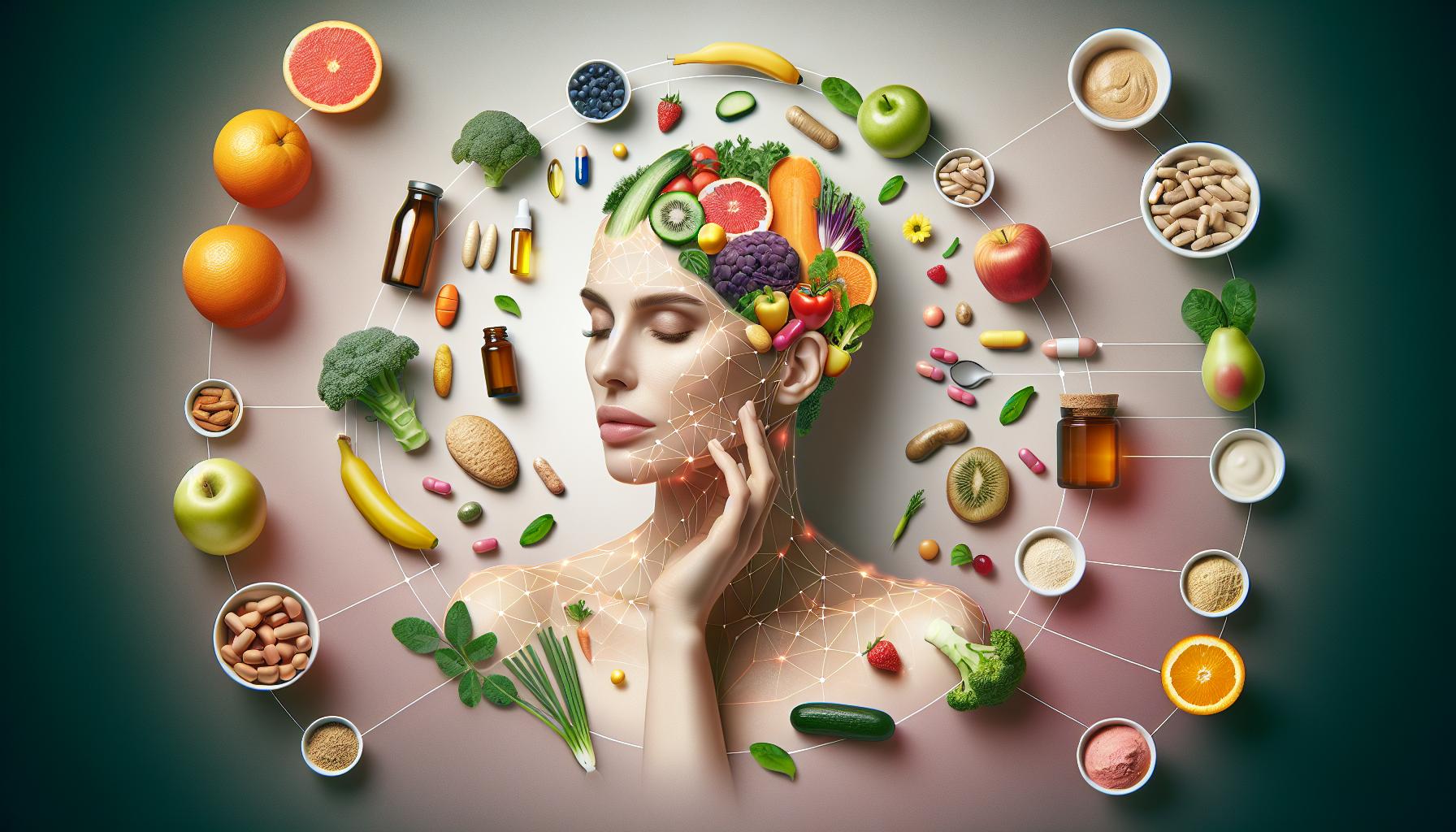
How Nutrition Affects Skin Health
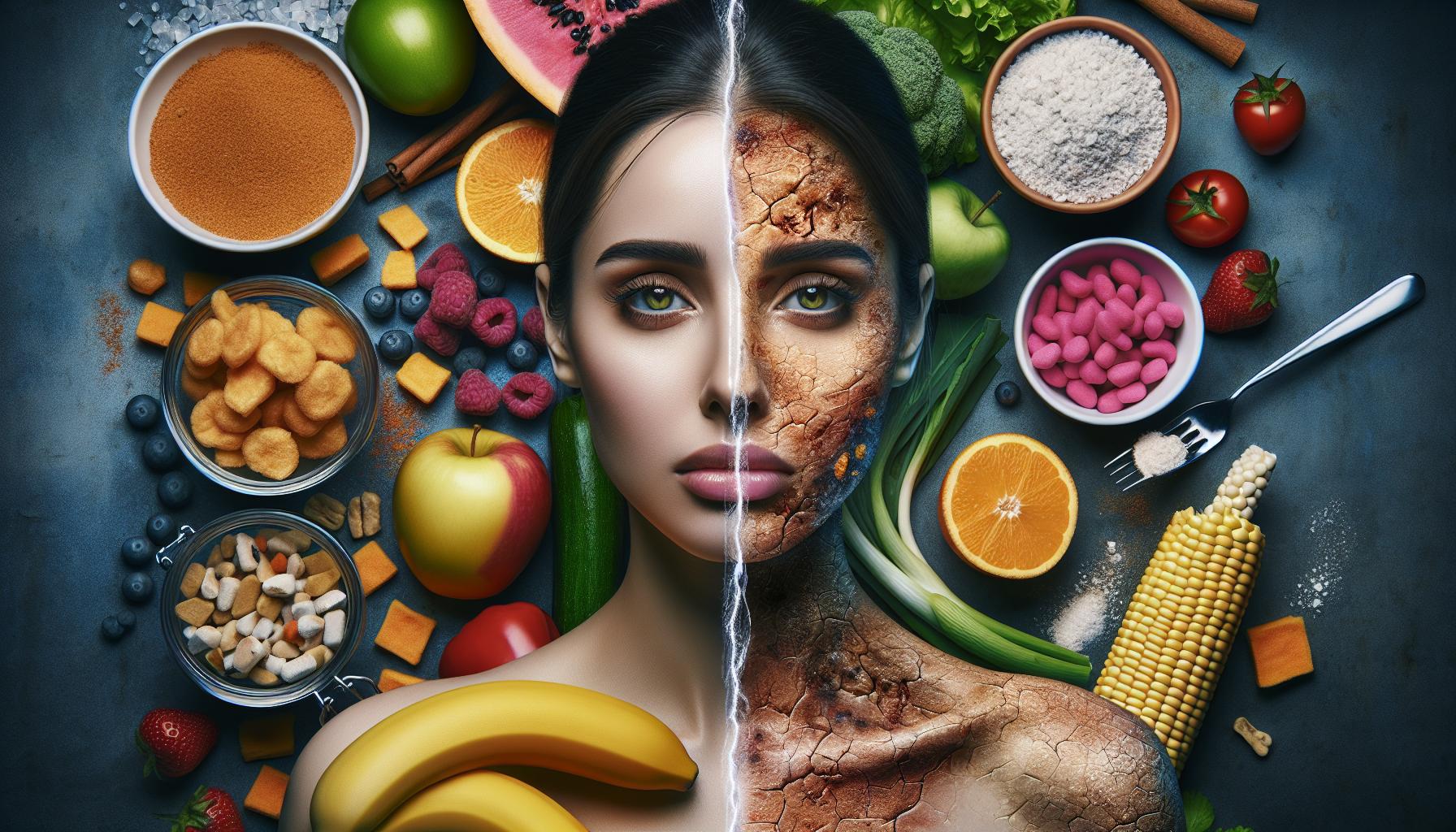
The Science Behind Nutrition and Skin Health
The link between what we consume and the health of our skin is rooted deeply in science rather than mere folklore. Each nutrient we intake not only fuels our body but also plays an essential role in maintaining our skin’s vitality. Factors such as hydration, elasticity, and overall appearance can be significantly enhanced through dietary choices, showcasing how a well-balanced diet serves as a foundation for healthy skin. This article explores key elements that make up the nutrition-skin relationship.
Essential Vitamins for Skin Vitality
Vitamins are fundamental allies in the realm of skin repair and protection. Vitamin A, for example, is renowned for its role in skin cell production and turnover, which is crucial in reducing the appearance of fine lines and enhancing skin texture. Foods rich in vitamin A include carrots, sweet potatoes, and spinach, making these excellent additions to a skin-friendly diet.
Vitamin C is another powerhouse, celebrated for its potent antioxidant properties and its role in collagen synthesis—a protein that keeps skin firm and youthful. Citrus fruits, strawberries, and bell peppers are packed with this vitamin and can effectively contribute to a bright, even complexion.
Vitamin D plays a critical role in skin health as well. It is synthesized in the skin upon exposure to sunlight, but dietary sources like fatty fish and fortified products can help maintain adequate levels, especially during winter months when sun exposure decreases. Lastly, Vitamin E provides additional protection against environmental stressors, and can be found in nuts, seeds, and green leafy vegetables.
The Importance of Healthy Fats
The inclusion of healthy fats in our diet is vital for promoting skin moisture and flexibility. Omega-3 fatty acids, found in salmon, walnuts, and flaxseeds, are particularly beneficial as they help maintain the skin’s lipid barrier, essential for hydration. These fatty acids can help reduce dryness and may alleviate symptoms of conditions like eczema.

Antioxidants: Shielding Your Skin
Antioxidants are compounds that defend the body against oxidative stress, a major contributor to skin aging and regeneration issues. Berries, dark chocolate, and green tea are all rich in antioxidants and can help combat the visible effects of aging by enhancing the skin’s radiance and resilience. Incorporating these foods into your diet can lead to more vibrant and youthful skin.
Diet and Specific Skin Conditions
The influence of diet extends beyond mere aesthetics; it also affects various skin conditions. For instance, acne can often be exacerbated or alleviated by diet. Some individuals may find that dairy or high-glycemic-index foods trigger outbreaks, while others might benefit from consuming more whole grains and leafy greens.
Similarly, psoriasis can see improvements with an anti-inflammatory diet, emphasizing fruits, vegetables, and omega-3-rich foods. This dietary approach may minimize flare-ups and facilitate better management of the condition.
Eczema sufferers may also notice changes when adjusting their diets, as specific food sensitivities can amplify symptoms. For some, eliminating gluten or dairy can lead to significant relief.
In conclusion, the power of nutrition is undeniable when it comes to skin health. Simple dietary changes can breed transformative results for your skin, leading to achievements like improved hydration, diminished fine lines, and an overall radiant complexion. By understanding this relationship, you can take actionable steps to harness the benefits of nutrition for healthier skin, motivating further exploration into how food choices affect your skin’s appearance and vitality.
DISCOVER: Click here to enhance your self-care journey
Nourishing Your Skin from Within
The profound connection between nutrition and skin health cannot be overstated. Our skin is a reflection of our overall health, and what we consume plays a pivotal role in its appearance and functionality. Proper nutrition not only supports the skin’s structural integrity but also influences its ability to heal and resist signs of aging. With a myriad of choices available, focusing on the right dietary components can significantly enhance your skin’s glow and texture.
Key Nutrients for Glowing Skin
Understanding which nutrients are most beneficial can empower individuals to make informed dietary choices. Below are some key nutrients and their significant impacts on skin health:
- Omega-3 Fatty Acids: Found primarily in fish and nuts, these essential fats help maintain the skin’s lipid barrier, promoting moisture retention and reducing inflammation.
- Vitamins A, C, and E: These vitamins work synergistically to enhance skin resilience. Vitamin A aids in cellular turnover; Vitamin C boosts collagen production; and Vitamin E acts as an antioxidant, shielding cells from damage.
- Zinc: This mineral is crucial for skin repair and is often included in treatments for acne due to its anti-inflammatory properties. Foods rich in zinc, like pumpkin seeds and lentils, can support clearer skin.
- Water: Although not a nutrient in the traditional sense, staying hydrated is critical. Water helps maintain skin elasticity, flushes out toxins, and can mitigate dryness.
The Role of a Balanced Diet
While individual nutrients have their benefits, it is important to recognize the significance of a balanced diet. Consuming a wide variety of fruits, vegetables, whole grains, and lean proteins ensures that the body is receiving all necessary elements for optimal skin health. For instance, leafy greens provide both vitamins and minerals, while colorful fruits contribute antioxidants that safeguard the skin from environmental damage.
Moreover, avoiding highly processed foods that are high in sugars and unhealthy fats can greatly benefit the skin. Studies have shown that diets high in sugar and refined carbohydrates can lead to an increase in inflammation and the acceleration of aging. A diet rich in whole and unprocessed foods can help combat these effects, fostering a more youthful and vibrant appearance.
Holistic Approach to Skin Health
It is worth noting that skin health is not solely dependent on what we eat; overall lifestyle choices play a crucial role as well. Stress levels, sleep quality, and physical activity also contribute to skin appearance. For instance, chronic stress can lead to hormonal fluctuations that may trigger skin issues such as acne or eczema. Thus, embracing a holistic approach to skin care is essential, which incorporates nourishing foods and healthy lifestyle practices.
In summary, understanding how nutrition affects skin health reveals the importance of making conscientious dietary choices. By prioritizing nutrient-dense foods and minimizing harmful options, we can nurture our skin from the inside out, leading to an impressive improvement in its overall health and appearance. As research continues to unveil the intricate relationship between diet and dermatology, it becomes clear that our plates are truly powerful allies in the quest for radiant skin.
| Nutrition Aspect | Benefit for Skin Health |
|---|---|
| Antioxidants | Help combat oxidative stress, reducing the appearance of aging skin. |
| Hydration | Maintains skin elasticity and flushes out toxins to promote a healthy glow. |
| Essential fatty acids | Support skin barrier function and reduce inflammation. |
| Vitamins C and E | Encourage collagen production and enhance skin repair processes. |
An interesting intersection of diet and dermatology, nutrition’s effects on skin health continue to gain traction in wellness discussions. The consumption of foods high in antioxidants, such as berries and leafy greens, can significantly strengthen your skin’s defenses, keeping visible signs of aging at bay. Moreover, staying adequately hydrated is crucial; it helps maintain skin flexibility and supports detoxification processes. Essential fatty acids found in nuts, seeds, and fish are also incredibly beneficial. They not only enhance the skin’s barrier function but also play a key role in reducing inflammation associated with acne and other skin conditions. Vitamins, particularly C and E, are another critical pair in this dynamic duo; they contribute to the production of collagen, a protein essential for maintaining the skin’s structure and resilience. Incorporating these nutrients through a balanced diet paves the way for healthy skin, enhancing not just appearance but also overall well-being. The implications of this relationship between diet and dermatology invite further exploration into individualized nutrition plans for skin health.
DIVE DEEPER: Click here to discover minimalist makeup trends
Dietary Considerations for Specific Skin Conditions
Nutritional strategies can vary significantly based on individual skin conditions. Specific dietary adjustments can help alleviate symptoms and support overall skin rejuvenation. Understanding these correlations can empower individuals to address their unique dermatological concerns more effectively.
Acne and Inflammatory Skin Conditions
Acne is one of the most common skin issues facing adolescents and adults alike. Research has shown that high glycemic index (GI) foods—such as white bread and sugary snacks—can exacerbate acne by increasing insulin levels, which in turn promotes the production of oil in the skin. Instead, incorporating low-GI foods like whole grains, legumes, and non-starchy vegetables may help reduce flare-ups. Moreover, omega-3 fatty acids, as previously mentioned, possess anti-inflammatory properties that may further aid in calming irritated skin.
One study highlighted the potential benefits of a diet rich in antioxidants (including Vitamins A, C, and E) and low-GI foods, suggesting that individuals managing acne could benefit from dietary modifications alongside pharmaceutical treatments. Thus, a comprehensive approach that integrates nutrition and medical care may yield superior results in acne management.
Addressing Eczema and Psoriasis
Skin conditions such as eczema and psoriasis, which are characterized by inflammation and discomfort, may also be influenced by dietary choices. Emerging research indicates that a diet rich in healthy fats, particularly those from sources like avocados and olive oil, can provide anti-inflammatory benefits. Furthermore, individuals may find relief by identifying and avoiding certain food triggers, such as dairy or gluten, which could lead to flare-ups.
Probiotics may also play a significant role in skin health, especially for conditions like eczema. Foods fermented with live cultures—such as yogurt, kimchi, and sauerkraut—can promote gut health, which is increasingly linked to skin conditions. By fostering a balanced gut microbiome, individuals may experience reductions in skin inflammation and improved overall skin condition.
The Impact of Dietary Supplements
While a well-rounded diet is essential, many people explore dietary supplements to enhance their skin health. Some studies suggest that collagen supplements may improve skin elasticity and hydration, potentially reducing the appearance of wrinkles. Additionally, hyaluronic acid supplements are gaining traction for their ability to retain moisture within the skin, thus combating dryness and promoting a supple texture.
However, it is crucial to approach supplements with caution and consult with a healthcare professional before integrating them into a daily routine. The market is flooded with various products, and choosing quality supplements can significantly influence their efficacy. As a supplement should complement, not replace, a balanced diet, individuals should remain mindful of their overall nutritional intake.
Cultural Dietary Preferences and Their Effects
Different cultural eating habits demonstrate diverse effects on skin health, showcasing the global perspective of nutrition’s influence. For example, the Mediterranean diet, rich in fish, olive oil, and fresh produce, is associated with lower instances of skin aging and related conditions. Similarly, traditional Asian diets often emphasize fermented foods and anti-inflammatory spices, such as turmeric, which may enhance skin health through additional pathways.
As individuals increasingly seek to harness the benefits of traditional wisdom combined with modern nutritional science, exploring and incorporating diverse dietary practices may offer new insights into achieving and maintaining healthy skin. By embracing global dietary influences, one can create a personalized approach to nutrition that resonates not only with individual preferences but also with skin health.
LEARN MORE: Click here to uncover the truths about hydration and skin health
Conclusion: The Vital Connection Between Nutrition and Skin Health
The evident relationship between nutrition and skin health emphasizes the powerful role that diet plays in maintaining and enhancing our skin’s appearance and vitality. As we have explored, tailoring nutritional strategies to manage specific skin conditions can make a significant difference in alleviating symptoms and promoting overall skin rejuvenation. From addressing common issues such as acne with low-glycemic foods and anti-inflammatory nutrients, to managing chronic conditions like eczema and psoriasis through healthy fats and probiotics, the right dietary choices can actively support skin health.
In addition to whole foods, the growing interest in dietary supplements such as collagen and hyaluronic acid signals a shift towards a holistic care model that blends nutrition with skincare. However, it’s important to approach supplements judiciously and in consultation with healthcare professionals to ensure they enhance, rather than replace, a balanced diet.
Furthermore, acknowledging the impact of cultural dietary practices broadens our perspective, encouraging individuals to draw from global influences that may enrich their diet while supporting skin health. By adopting a comprehensive view of nutrition that seamlessly integrates scientific insight with traditional wisdom, individuals can cultivate a personalized approach that promotes their unique skin needs.
Ultimately, investing attention in nutritional choices not only feeds our body but also nourishes our skin, paving the way for a healthier complexion. As research continues to unveil the intricate connections between what we eat and how our skin reacts, the potential for adopting informed dietary practices opens new avenues for enhancing our skin’s resilience and glow. Embrace the power of nutrition, and embark on a journey towards achieving healthy, radiant skin.