How Nutrition Affects Skin Health: Essential Nutrients and Supplements
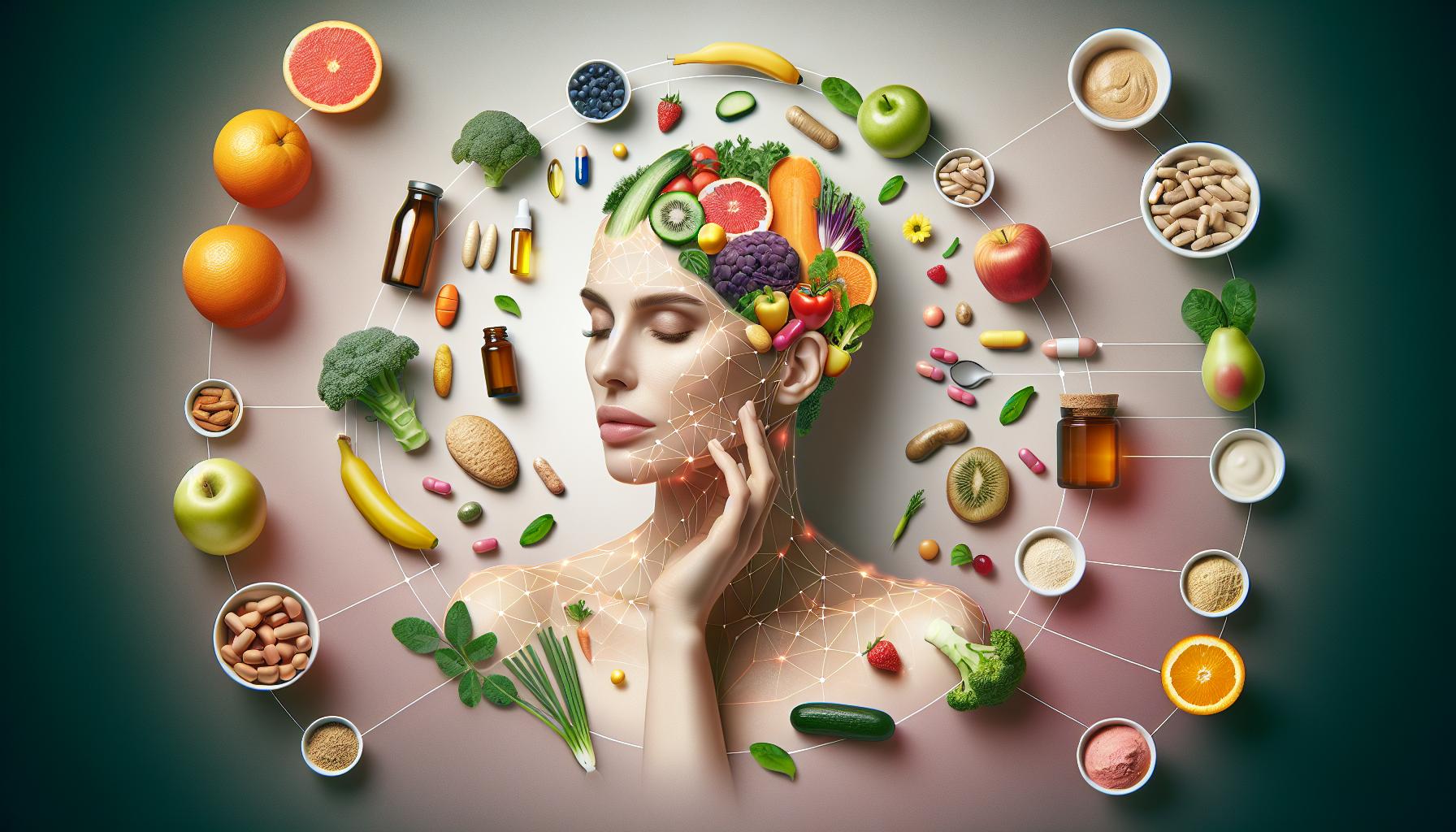
The Vital Role of Nutrition in Achieving Radiant Skin
Healthy skin is not merely a product of good genetics or high-quality skincare products; it is often a direct result of a well-balanced diet enriched with vital nutrients. Nutrition serves as the foundation for skin wellness, influencing everything from hydration levels to the skin’s ability to recover from damage. As societal trends shift towards natural remedies and holistic health approaches, understanding how specific dietary choices impact skin health becomes increasingly important.
To promote a radiant complexion, it’s crucial to identify the nutrients that play a pivotal role in maintaining skin vitality. Among these, the following stand out:
- Vitamins A, C, and E: These vitamins are well-known for their powerful antioxidant properties. Vitamin A is essential for skin cell production and repair, while Vitamin C aids in collagen synthesis and also protects against harmful UV exposure. Vitamin E, another potent antioxidant, helps to neutralize free radicals and aids in skin healing, making it invaluable for reducing the appearance of scars and blemishes.
- Omega-3 Fatty Acids: Found in fatty fish like salmon and plant-based sources such as flaxseeds and chia seeds, Omega-3s are crucial for maintaining skin elasticity and hydration. Studies suggest that these fatty acids can reduce inflammatory responses in skin conditions like acne and eczema, leading to a clearer complexion.
- Collagen: As the most abundant protein in the body, collagen helps maintain skin structure and firmness. While our bodies naturally produce collagen, its production decreases as we age. Supplementing with collagen peptides has been linked to improved skin elasticity, hydration, and even a reduction in wrinkles.
In addition to these crucial nutrients, various supplements are gaining recognition for their beneficial impacts on skin health. Here are some notable examples:
- Biotin: Sometimes referred to as vitamin H, biotin is known for its ability to support skin hydration, as well as strengthen hair and nails. Many beauty supplements now include biotin, reflecting its popularity in the quest for improved skin texture and resilience.
- Zinc: This essential mineral is essential for skin repair and regeneration. Zinc plays a role in reducing inflammation, making it particularly beneficial for those suffering from conditions like acne. A diet rich in zinc may not only promote healing but also help control oil production in the skin.
- Probiotics: Emerging research suggests that a balanced gut microbiome contributes to healthy skin by reducing inflammation and strengthening the skin barrier. Probiotics can be obtained through fermented foods like yogurt and sauerkraut or through specialized supplements.
Exploring the intricate relationship between nutrition and skin health reveals numerous opportunities to improve your skincare regimen through dietary modifications. By identifying and incorporating nutrient-rich foods into your meals—like leafy greens, colorful fruits, and fatty fish—you can foster an environment that encourages healthy, glowing skin.
Ultimately, knowledge of these connections empowers individuals to make informed dietary choices, leading to enhanced skin health and the beautiful complexion you strive for. The more aware you are of how your nutrition impacts your skin, the better equipped you will be to achieve the vibrant, youthful glow you desire.

DIVE DEEPER: Click here to uncover the best facial moisturizers
Essential Nutrients for Healthy Skin
When it comes to achieving vibrant skin, the role of nutrition can’t be overstated. The skin, being the largest organ of the body, reflects a myriad of internal factors, including dietary deficiencies or imbalances. Focusing on the right nutrients can make all the difference in promoting skin health and mitigating issues such as dryness, acne, or premature aging. Let’s delve into some essential nutrients that are pivotal for maintaining skin vitality.
Vitamins That Nourish the Skin
- Vitamin A: This nutrient is crucial for skin cell production and repair. Found in foods like sweet potatoes, carrots, and dark leafy greens, Vitamin A helps to maintain skin integrity and combat signs of aging. Its role in promoting a smooth complexion can’t be overlooked.
- Vitamin C: Known for its integral part in collagen synthesis, Vitamin C is a powerful antioxidant that protects the skin against free radical damage. Citrus fruits like oranges, strawberries, and even bell peppers are rich in Vitamin C, offering anti-inflammatory benefits that can aid in the healing of blemishes.
- Vitamin E: This fat-soluble vitamin works wonders for skin hydration and protection. Nuts, seeds, and spinach are excellent sources. Vitamin E helps in neutralizing oxidative stress, supporting skin’s natural moisture barrier, and reducing the appearance of scars and uneven skin tone.
Omega-3 Fatty Acids: The Unsung Heroes
Incorporating Omega-3 fatty acids into your diet is essential for maintaining skin health. These healthy fats are found in fatty fish such as salmon, walnuts, and flaxseeds. Omega-3s play a pivotal role in reducing inflammation, which is particularly beneficial for individuals with conditions like psoriasis or acne. Moreover, they help to lock in moisture, ensuring that the skin remains supple and hydrated. Research has suggested that diets rich in Omega-3 fatty acids can lead to improved skin barrier function, which in turn minimizes transepidermal water loss.
The Importance of Proteins
Collagen, the primary protein in our skin, is vital for maintaining skin firmness and elasticity. The natural process of collagen production declines with age, making it essential to look for ways to boost it through diet. Consuming amino acids found in protein-rich foods such as eggs, chicken, and legumes can support collagen formation. Additionally, collagen supplements have gained popularity in recent years, showing promise in enhancing skin hydration, improving elasticity, and reducing fine lines and wrinkles.
Understanding the array of nutrients that contribute to skin health enables individuals to make dietary decisions that can profoundly impact their complexion. By consciously seeking out these essential vitamins, fatty acids, and proteins and integrating them into daily meals, you pave the way for clearer, healthier skin. The journey toward radiant skin is not just skin deep; it begins with what you put on your plate.
Essential Nutrients for Skin Health
Nutrition plays a crucial role in maintaining and improving skin health, primarily through a balanced intake of essential nutrients. These nutrients act as building blocks for skin structure and function, offering protective and reparative benefits. Vitamins, minerals, fatty acids, and antioxidants are at the forefront of this beneficial diet. Here’s a deeper look at some of the essential nutrients vital for skin vitality:
1. Vitamin C
This powerful antioxidant is essential for collagen production, which is necessary for maintaining skin elasticity and firmness. By neutralizing free radicals, Vitamin C not only helps in preventing premature aging but also aids in wound healing. Foods rich in Vitamin C include citrus fruits, strawberries, bell peppers, and broccoli.
2. Omega-3 Fatty Acids
These fatty acids are crucial for maintaining the skin’s lipid barrier, which helps to lock in moisture and keep the skin hydrated. They also possess anti-inflammatory properties that can reduce acne and eczema. Foods rich in omega-3s include fatty fish, flaxseeds, and walnuts.
3. Zinc
A mineral that plays a pivotal role in skin cell regeneration and repair, Zinc is essential for reducing inflammation and promoting healing. Its presence helps mitigate issues like acne flare-ups and ensures the integrity of the skin’s structure. Foods high in zinc include meat, shellfish, legumes, and seeds.
4. Vitamin E
This antioxidant helps protect the skin from oxidative stress and ultraviolet rays. Vitamin E works in tandem with Vitamin C to fortify the skin’s protective barrier. Good sources of Vitamin E range from nuts and seeds to spinach and avocados.
Integrating these essential nutrients into your daily diet can significantly enhance your skin’s appearance and overall health. However, many individuals find it challenging to consume adequate amounts through diet alone, leading to the growing popularity of dietary supplements targeting skin health.
| Nutrient | Benefits |
|---|---|
| Vitamin C | Boosts collagen production and fights free radicals. |
| Omega-3 Fatty Acids | Maintains moisture and reduces inflammation. |
| Zinc | Promotes healing and reduces acne. |
| Vitamin E | Protects skin from UV damage and hydrates. |
Understanding how these nutrients function will empower you to make informed decisions about your diet and supplementation. By prioritizing skin health through nutrition, you can achieve a radiant and youthful complexion, unlocking a wealth of confidence and vitality in your daily life.
DISCOVER MORE: Click here to uncover the benefits of green tea extract for your skin</a
Minerals and Antioxidants Essential for Skin Radiance
Alongside vitamins, essential minerals and antioxidants play significant roles in skin health. These crucial elements not only contribute to maintaining a youthful glow but also bolster the skin’s defenses against environmental stressors. Let’s explore the vital contributions of key minerals and antioxidants to achieve skin’s optimal health.
Zinc: The Skin’s Defender
Zinc is a powerhouse mineral that aids in skin repair and plays a critical role in reducing inflammation. Found in foods like oysters, beef, pumpkin seeds, and lentils, zinc helps fight acne by regulating oil production and reducing the activity of acne-causing bacteria. Studies have shown that individuals with acne often have lower levels of zinc, suggesting that supplementation may offer significant benefits for clearer skin. Beyond acne management, zinc is essential for wound healing, making it a vital mineral for maintaining skin integrity.
Selenium: Nature’s Shield Against Aging
Selenium is a trace mineral known for its antioxidant properties. It is found in Brazil nuts, seafood, and whole grains. Selenium supports the skin by protecting it against oxidative damage caused by UV rays and pollution. By combating free radicals, selenium can reduce the appearance of aging and support skin elasticity. In fact, some studies suggest that individuals with adequate selenium levels tend to show fewer noticeable signs of skin aging. Incorporating selenium-rich foods into your diet can be a simple yet effective step toward healthier skin.
Antioxidants: The Fountain of Youth
Antioxidants are crucial for preserving skin health, as they combat oxidative stress that can lead to premature aging. In addition to Vitamin C and E, other powerful antioxidants such as Coenzyme Q10, polyphenols, and beta-carotene should not be overlooked. Coenzyme Q10, found in organ meats and whole grains, supports energy production in skin cells and has been linked to reduced wrinkles and improved skin texture. Meanwhile, polyphenols, found abundantly in fruits like berries and beverages such as green tea, help in soothing inflammation and replenishing the skin’s moisture barrier.
The Role of Gut Health in Skin Wellness
Interestingly, the gut-skin connection cannot be ignored when discussing nutrition and skin health. A balanced gut microbiome contributes to a healthy skin barrier, thus playing a significant role in inflammation and skin conditions such as eczema and acne. Foods rich in probiotics, such as yogurt, kefir, and fermented foods, can promote gut health. Additionally, prebiotics found in fruits, vegetables, and whole grains nourish beneficial gut bacteria, further enhancing overall skin health.
Focusing on these essential minerals and antioxidants broadens the approach to skin health. By ensuring that your diet is rich in these nutrients, you can effectively improve your skin’s appearance and resilience against harmful environmental factors. Each mineral and antioxidant works in harmony to create a fortified, vibrant, and thriving complexion, showcasing the profound impact of nutrition on skin health.
DISCOVER MORE: Click here for radiant skin tips
Conclusion: Nourishing Your Skin from Within
Understanding how nutrition affects skin health reveals a compelling connection between our diet and the vitality of our skin. The essential vitamins, minerals, and antioxidants discussed throughout this article serve as the foundation of a holistic approach to skincare. Investing in nutrient-rich foods, such as fruits, vegetables, nuts, and whole grains, not only enhances our overall well-being but also translates into a more radiant complexion. In particular, minerals like zinc and selenium contribute significantly to skin repair and protection against environmental stressors.
Moreover, incorporating potent antioxidants into your daily routine can further combat premature aging and inflammation, thus serving to enhance the skin’s natural resilience. As we’ve explored, the gut-skin connection highlights the importance of maintaining a balanced microbiome, emphasizing that nurturing our gut with probiotics and prebiotics can lead to visible improvements in skin health.
Ultimately, the journey toward achieving optimal skin health begins with what we choose to put on our plates. By consciously selecting foods rich in essential nutrients and considering beneficial supplements, individuals can take proactive steps to nurture their skin from within. As awareness of the profound effects of nutrition continues to grow, a balanced diet becomes not just a lifestyle choice, but a fundamental pillar of vibrant, healthy skin. Embrace the power of nutrition today, and enjoy the benefits of rejuvenated skin.