The Importance of Hydration in Your Skincare Routine
The Importance of Hydration in Skincare
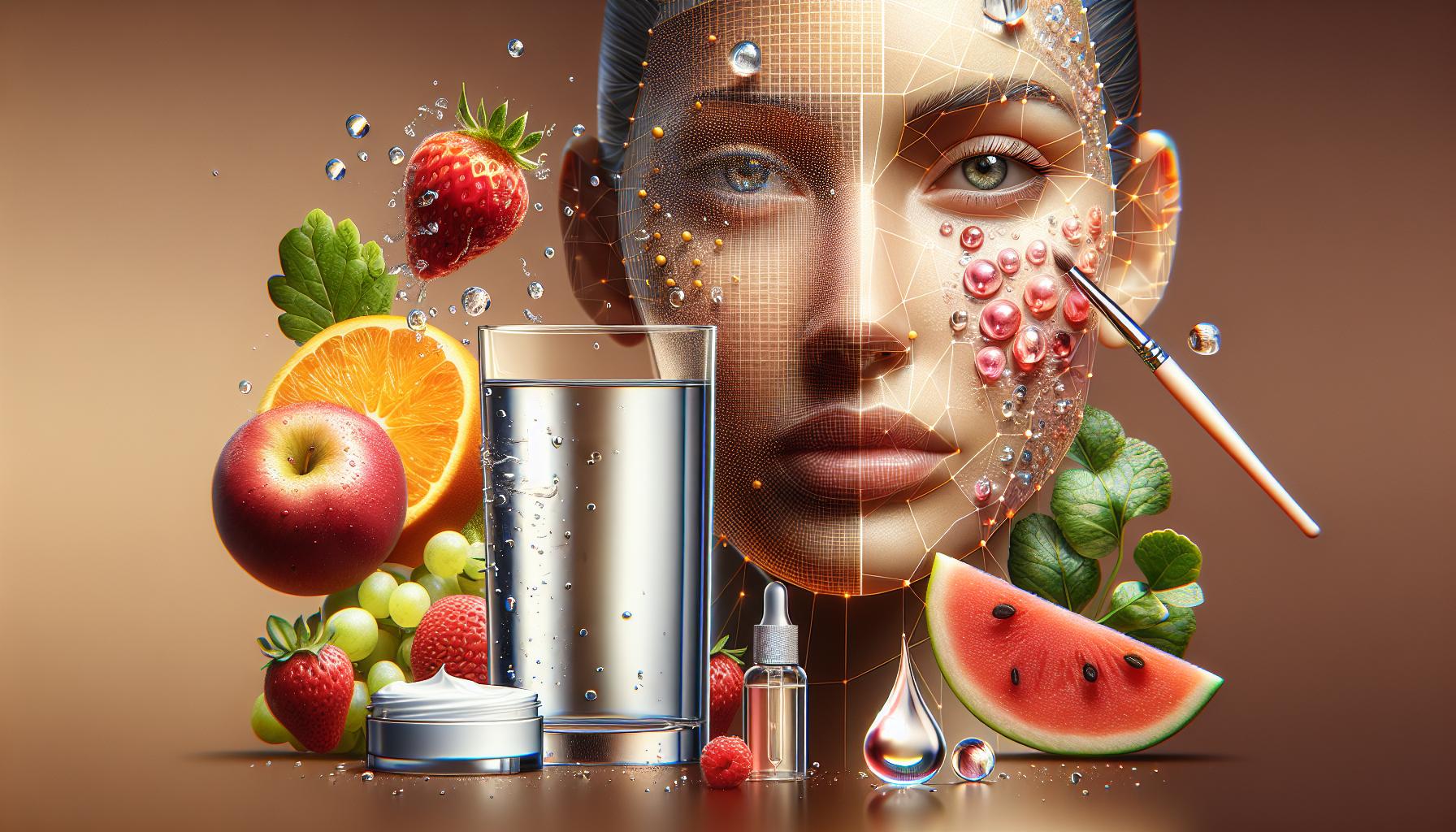
Ensuring proper hydration in your skincare routine is crucial for achieving that coveted radiant glow. While the importance of cleansing and moisturizing is widely recognized, the often-overlooked element of hydration plays an equally pivotal role in maintaining skin health and vitality. Hydration is not merely about consuming adequate water; it involves carefully selecting products that help your skin retain moisture, particularly in varying environmental conditions, from the high humidity of coastal areas to the arid climates of the American Southwest.
One of the standout benefits of prioritizing hydration is that it contributes to improved skin elasticity. Elastic skin not only looks youthful but is also more resilient against daily stressors, such as pollution and UV exposure. For instance, when skin is hydrated, it can stretch and bounce back more effectively, reducing the risk of sagging over time.
Moreover, adequate hydration can significantly reduce the appearance of fine lines. Dehydrated skin can exacerbate the look of wrinkles, as dry patches tend to accentuate imperfections. Products infused with moisture-binding ingredients like hyaluronic acid can work marvels here, plumping the skin and giving it a smoother appearance. Those seeking additional benefits might explore alternatives such as collagen-infused serums that not only hydrate but also nourish the skin from within.
Another critical advantage is that hydration plays a key role in balancing oil production. Many individuals experiencing acne might not realize that dehydrated skin often leads the body to produce excess sebum to compensate, which in turn can clog pores. Implementing a thoughtful hydration strategy can help restore balance, leading to clearer skin.
To amplify the effects of hydration, integrating specialized products into your routine is essential. Hydrating serums, formulated with humectants like glycerin or aloe vera, penetrate deep into the skin, ensuring moisture retention. Coupling these with moisturizers that feature occlusives—ingredients that lock in moisture—can fortify your skin’s barrier. Moreover, indulging in hydrating masks weekly can offer an extra boost to your regimen, providing intense hydration when your skin needs it most.

Ultimately, understanding your skin’s hydration needs is integral regardless of where you live. In the humid regions of Miami, Florida, one might lean towards lightweight gels, while in the dry expanses of Arizona, creamier formulations could be more suitable. Embracing the world of hydration not only enriches your skincare experience but also unlocks the potential for skin that radiates health and vitality. As you dive deeper into this subject, you’ll find that committing to a hydration-focused routine can truly transform the landscape of your skincare. Remember, your skin reflects your overall health, so stay hydrated both inside and outside for the best results.
DIVE DEEPER: Click here to discover the latest minimalist makeup trends
Hydration as the Foundation of Healthy Skin
When it comes to nurturing your skin, hydration is the cornerstone of any successful skincare routine. Many people overlook the significance of hydrating elements, often focusing solely on moisturizing or cleansing. However, hydration is essential for every skin type, as it ensures that your skin remains plump, youthful, and vibrant. Particularly in a country as diverse as the United States, where climate conditions can vary drastically from coastal areas to deserts, understanding the fundamentals of hydration is more important than ever.
To effectively harness the power of hydration, it is helpful to familiarize yourself with its various forms and how they interact with your skin. Here are some key points to consider:
- Humectants: These are moisture-attracting ingredients that draw water from the air into the skin. Common examples include glycerin and hyaluronic acid. By integrating products containing humectants, you not only boost hydration levels but also support your skin’s elasticity and overall texture.
- Emollients: These ingredients, such as ceramides and fatty acids, help to soften and smooth the skin. Emollients are crucial for maintaining a healthy skin barrier, which plays a significant role in retaining moisture and preventing dehydration.
- Occlusives: Ingredients like petrolatum and beeswax form a protective barrier on the skin’s surface, trapping moisture in and preventing water loss. Incorporating occlusives after applying hydrating products can amplify their effectiveness significantly.
Additionally, the importance of proper water intake cannot be emphasized enough. The human body is made up of roughly 60% water, and adequate hydration from within manifests on the exterior. For many, this means aiming for at least eight 8-ounce glasses of water a day, but individual needs can vary based on factors such as activity level and climate. For example, someone living in a humid climate like New Orleans may require different hydration strategies compared to someone in a drier environment like Las Vegas.
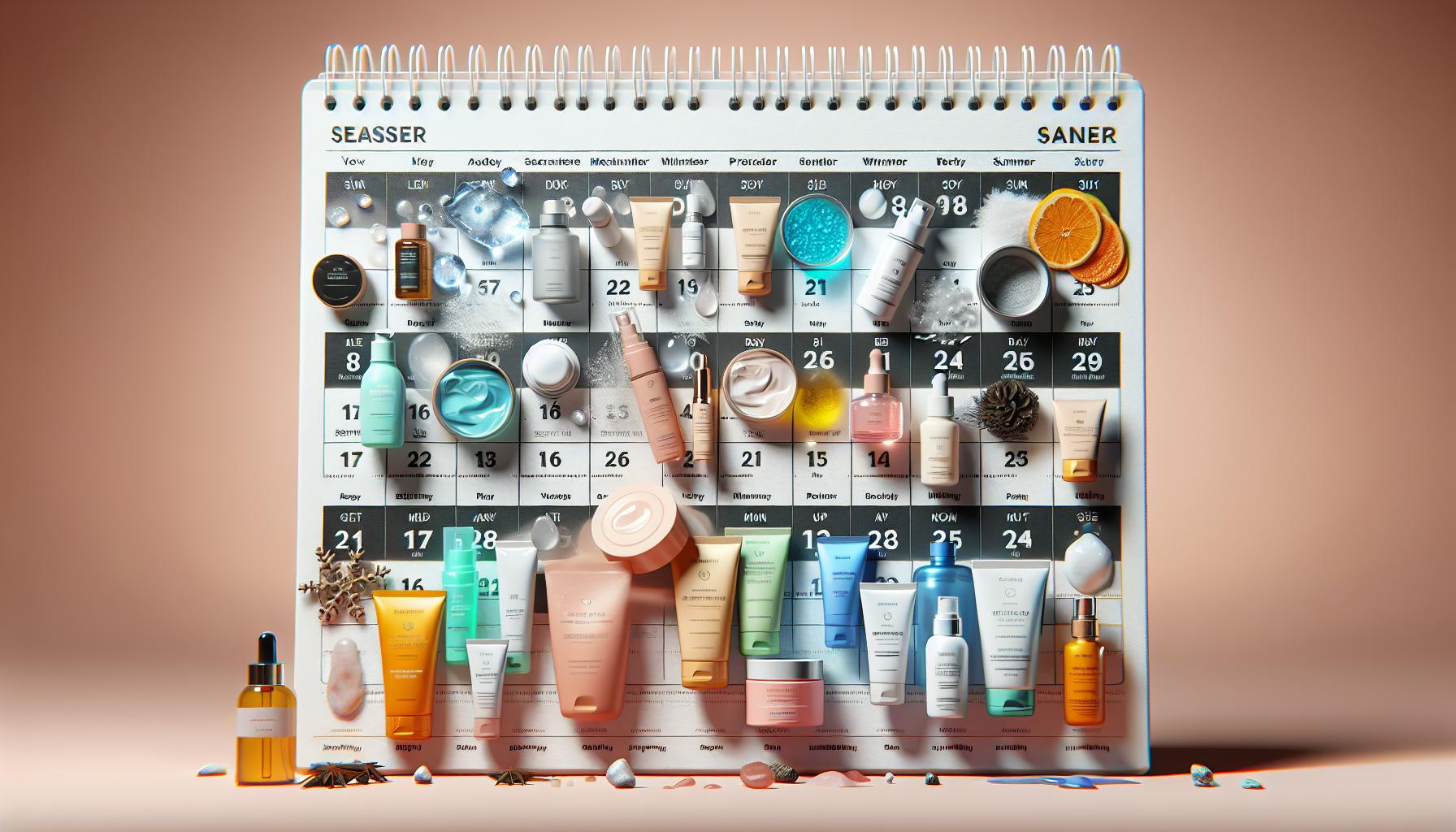
Incorporating hydration into your skincare routine should also take into account seasonal changes. During winter months, when heaters run indoors and cold winds prevail outside, skin can become particularly dry and sensitive. Using heavier creams and hydrating masks can provide the necessary moisture to combat this seasonal dryness.
Furthermore, making use of hydrating products like facial mists can be a game-changer. These convenient sprays can provide a refreshing moisture boost throughout the day, especially beneficial in fluctuating temperatures or during long hours spent in air-conditioned environments. Not only do they hydrate, but many also contain soothing ingredients like chamomile or rosewater, which can help to calm irritated skin.
By learning how to identify and incorporate hydrating elements into your regimen, you can create a tailored skincare strategy that addresses your skin’s unique needs. This commitment to hydration will not only enhance your skin’s appearance but also foster long-term health. Remember, hydrated skin is happier skin, and the journey to achieve your best complexion starts with understanding the essence of hydration.
| Category | Key Benefits |
|---|---|
| Skin Elasticity | Proper hydration increases skin elasticity, making it appear more youthful and firm. |
| Prevention of Dryness | Keeping the skin well-hydrated helps in preventing dryness, which can lead to flaking and irritation. |
| Enhanced Absorption | Hydrated skin allows better absorption of products, making treatments more effective. |
| Improved Skin Tone | Hydration helps in achieving a more even skin tone, reducing the appearance of redness and blemishes. |
The role of hydration in your skincare routine cannot be understated. When the skin is hydrated, it functions optimally, leading to enhanced vitality and a radiant appearance. The effects of inadequate hydration manifest not only through visible dryness but also through compromised skin barrier function, which can exacerbate issues such as acne and sensitivity. Moreover, hydration is essential for facilitating cellular processes such as regeneration and repair, making it a crucial element in keeping your skin healthy.Integrating water-rich products like serums and gels alongside a solid intake of fluids can further bolster your skin’s hydration levels. Additionally, lifestyle factors—like avoiding excessive sun exposure and pollutants—also play a pivotal role in maintaining a hydrated complexion. Consider the benefits of including hydrating ingredients such as hyaluronic acid and glycerin in your products for optimal results. The journey to achieving luminous skin indeed starts with hydration.
DIVE DEEPER: Click here to discover the benefits of natural products for your skin
Advanced Hydration Techniques for Optimizing Your Skincare
As we delve deeper into the realm of hydration in skincare, it’s crucial to explore advanced techniques that can elevate your hydration game. In addition to understanding basic hydrating ingredients, experimenting with specialized products and strategies can lead to a significant transformation in your skin’s health and appearance.
One of the most effective ways to enhance hydration is by utilizing layering techniques. This involves applying hydrating products in a specific order to maximize absorption and effectiveness. For instance, start with a hydrating toner or essence that contains humectants, followed by a serum rich in highly concentrated hydrating ingredients. Finally, seal in all that moisture with a cream or lotion that contains emollients and occlusives. This multi-step process can ensure that each layer penetrates the skin effectively, creating a well-hydrated barrier.
Moreover, occlusives and humectants can work in synergy. When using a product with hyaluronic acid, which attracts hydration, following up with a thicker cream that contains occlusive agents can prevent that moisture from evaporating. This “sandwich” technique is especially beneficial during the colder months when air humidity drops significantly and our skin needs additional protection against environmental stressors.
In addition to topical strategies, it is worth mentioning the rise of hydrating supplements. Collagen peptides and hyaluronic acid powders have gained popularity in the health and wellness community for their potential benefits in improving skin hydration from within. While research is still ongoing, anecdotal evidence suggests that incorporating these supplements can complement your external skincare regimen, making it a holistic approach to hydration.
Climate can also affect how we approach hydration. For example, individuals living in drier regions like Denver may need to adjust their skincare routine to include more hydrating mists and heavier creams to combat the arid air that can easily rob moisture from the skin. Conversely, those in more humid environments like Miami may benefit from lightweight gels and lotions that hydrate without feeling heavy.
Don’t overlook the impact of your lifestyle choices. Factors such as diet, sleep, and stress levels all contribute to skin hydration. Consuming a balanced diet rich in water-dense foods—think cucumbers, watermelon, and leafy greens—can provide additional hydration. Similarly, adequate sleep allows for skin repair processes that facilitate hydration, while chronic stress can trigger hormonal changes that lead to dehydration and compromised skin barriers.
Lastly, consider the role of hygiene practices in your hydration journey. Avoiding overly hot showers and harsh soaps can keep your skin’s natural oils intact, which are crucial for hydration retention. Instead, opt for lukewarm water and gentle, hydrating cleansers that provide moisture while effectively cleansing the skin. These simple changes can make a remarkable difference in maintaining your skin’s hydration levels over time.
Understanding these advanced hydration techniques not only enriches your skincare regimen but also promotes a more comprehensive approach to skincare wellness. By staying informed and frequently evaluating your strategies, you’ll be well-equipped to maintain vibrant, youthful skin throughout the changing seasons and conditions.
DIVE DEEPER: Click here to discover more
Conclusion: Embracing the Essentials of Hydration
In the quest for radiant and healthy skin, hydration unquestionably plays a pivotal role. Our exploration of hydration in skincare has revealed its profound impact not only on the surface but also on the internal mechanisms crucial for skin vitality. When integrated thoughtfully into your daily routine, hydration techniques—ranging from layering products to incorporating occlusives and humectants—can dramatically enhance the skin’s appearance and resilience.
Moreover, understanding the environmental influences, such as climate and pollution, empowers individuals to tailor their hydration strategies effectively. Whether you’re in the arid deserts of the Southwest or the humid coasts of the Southeast, customizing your skincare can make all the difference. Don’t forget the holistic aspects of hydration—your diet, sleep quality, stress management, and hygiene practices contribute significantly to your skin’s moisture levels.
Importantly, while topical treatments are fundamental, hydrating supplements may offer additional benefits, fostering an integrative approach to skincare. As you experiment with different products, consider keeping a hydration diary to track what works best for your skin, allowing for deeper insights into your unique needs.
Ultimately, embracing hydration is about more than just skincare; it’s a lifestyle choice that promotes overall wellness. By prioritizing hydration within your regimen, you not only cultivate outer beauty but also equip your skin to face the challenges of everyday life. Stay curious, stay hydrated, and watch your skin thrive.