The Benefits of Natural Products for Skin Health: What You Need to Know

The Rising Trend of Natural Skin Care
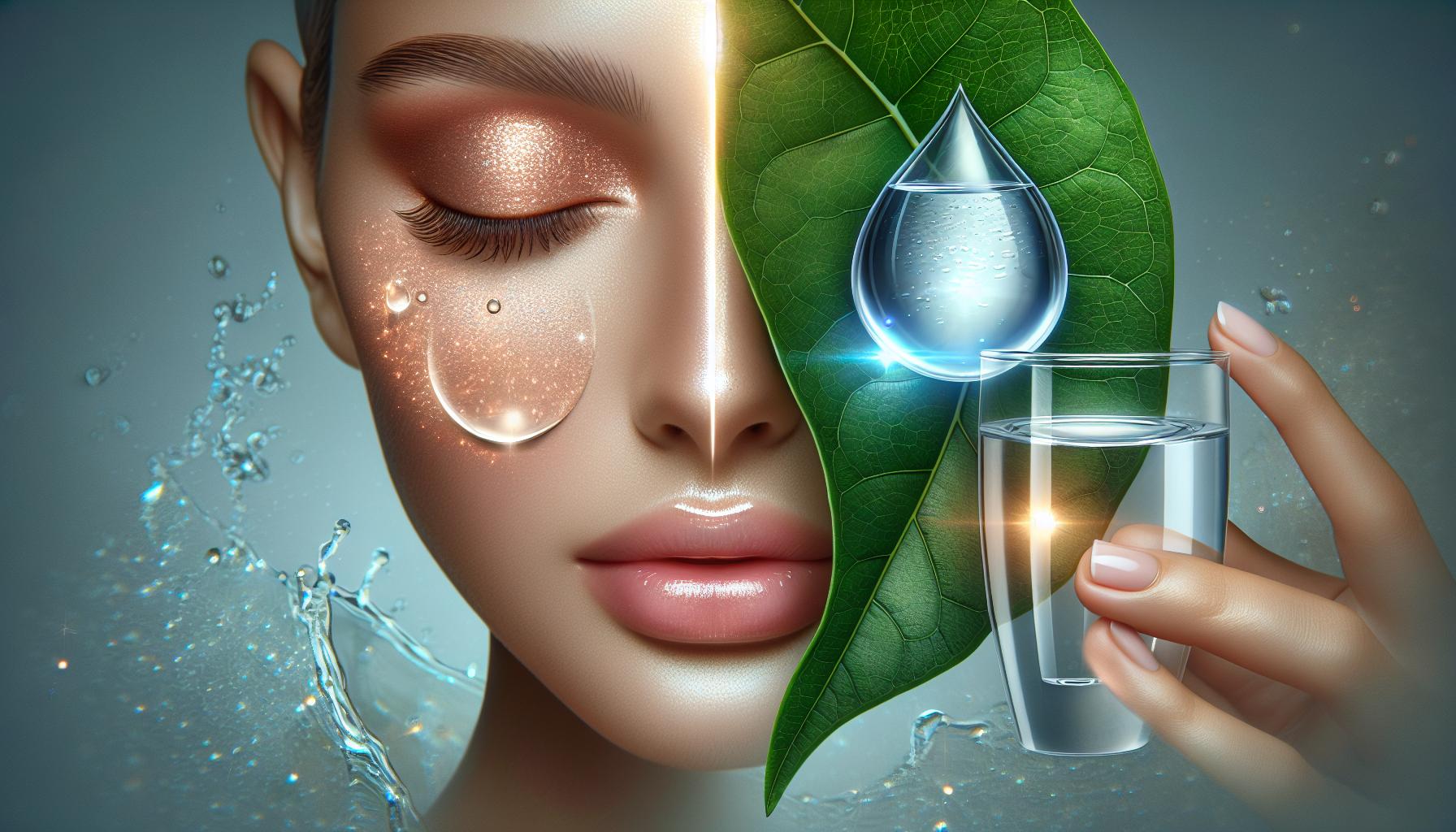
In today’s world, where synthetic ingredients often fill the shelves of beauty aisles, a refreshing movement is emerging—more individuals are turning to the profound healing power of natural skin care products. This shift is driven not only by a desire for healthier skin but also by an expanding awareness of environmental sustainability and ethical considerations regarding manufacturing practices. By exploring how these natural products can enhance your skin’s health, you unlock an array of knowledge and opportunities for personal care.
Why Choose Natural Skin Care?
Natural products offer a wealth of benefits for skin care enthusiasts who prioritize their well-being. Here are several compelling reasons to consider when contemplating a switch to natural alternatives:
- Gentle Ingredients: Many natural products are formulated with botanical extracts like aloe vera, chamomile, and calendula. These ingredients are renowned for their soothing properties, effectively reducing irritation and sensitivity that often come with synthetic options. For example, chamomile is not only calming for the skin but also has anti-inflammatory properties, making it ideal for those prone to redness or irritation.
- Nourishing Properties: Natural ingredients are typically rich in essential vitamins, antioxidants, and fatty acids. Ingredients like organic coconut oil and argan oil are celebrated for their ability to promote a healthy glow while providing deep hydration. Antioxidants found in berry extracts can also protect the skin from free radicals, which are one of the main contributors to premature aging.
- Minimal Chemicals: By opting for natural products, users can minimize their exposure to synthetic chemicals and preservatives. Many artificial additives have been linked to skin allergies and sensitivities, making natural skin care ideal for those with sensitive skin or specific allergies.
Environmental and Ethical Benefits
In addition to personal benefits, many natural skin care products are sourced sustainably, which aligns with a vision for a more eco-friendly future. For instance, several brands prioritize organic farming practices, ensuring that their ingredients are not only good for your skin but also gentle on the planet. Choosing brands that engage in responsible sourcing means supporting practices that protect natural ecosystems and promote biodiversity.
Educating Yourself on Natural Ingredients
As you delve deeper into the realm of natural skin care, it is crucial to educate yourself about the specific ingredients that can provide genuine benefits. This understanding empowers you to make well-informed choices that not only enhance your appearance but also contribute positively to your overall skin health. Knowledge about the science behind these products—such as the role of antioxidants and hydration levels—can lead to better outcomes in your personal skin care routine.
With a plethora of natural products available on the market today, from artisanal brands to large skincare companies pivoting toward organic solutions, the allure of embracing nature’s gifts is undeniable. Taking the time to research and discover the right natural products for your unique skin type can lead you to a healthier, more radiant complexion while supporting an ethical and sustainable beauty industry.
DISCOVER MORE: Click here to dive into the latest minimalist makeup trends
Understanding the Science Behind Natural Ingredients
As individuals increasingly seek out products that are both effective and free from harsh chemicals, the natural skin care movement has gained remarkable momentum. However, it is not enough to simply gravitate towards products labeled as “natural”; understanding the scientific principles behind their ingredients is fundamental. Natural skin care products are thoughtfully derived from plant-based resources, minerals, and essential oils, each element contributing to skin health and vitality in different ways. This informs us that while many believe that “natural” equates to “better,” a deeper exploration reveals how specific components interact with our skin.
The Role of Active Compounds
At the heart of many natural products are active compounds, recognized for their extraordinary benefits. Let’s delve into the characteristics of these key ingredients, which play vital roles in promoting healthy skin:
- Vitamin C: Abundant in citrus fruits like oranges and grapefruits, as well as in berries such as strawberries and blueberries, this potent antioxidant is renowned for its ability to stimulate collagen production. This process not only enhances skin elasticity but also combats harmful free radicals, ultimately leading to a brighter complexion.
- Hyaluronic Acid: A naturally occurring substance in the skin, hyaluronic acid possesses an incredible capacity for moisture retention, allowing skin to maintain its hydration and plumpness. Increasingly, natural sources such as certain marine algae are being harnessed as alternatives to synthetic varieties, proving beneficial for maintaining skin vitality.
- Omega Fatty Acids: These essential fats, commonly found in oils like flaxseed and evening primrose, play a crucial role in building the skin’s barrier function. They help lock in moisture while simultaneously reducing inflammation, making them particularly suitable for individuals with dry or sensitive skin conditions.
- Aloe Vera: Known for its soothing properties, aloe vera is packed with vitamins, minerals, and antioxidants. Its gel is especially celebrated for alleviating sunburns by reducing redness and providing deep hydration, thus making it a staple in many households during the summer months.
Identifying Quality Natural Products
With the surge in popularity of natural skin care products, it becomes increasingly vital for consumers to discern genuine quality amidst a sea of marketing claims. Certifications such as USDA Organic and Non-GMO Project Verified serve as benchmarks, assuring adherence to rigorous ethical and quality standards. Equally important is the practice of analyzing ingredient lists; prioritize products featuring recognizable plant-based components and minimal additives. It’s vital to remember that while a product may boast a natural label, it doesn’t automatically guarantee its effectiveness or safety.
By grasping the complexities of natural skin care, consumers can make informed decisions that cater to their unique skin types and concerns. Armed with knowledge about efficacious natural ingredients, individuals can embark on a journey toward achieving healthier and more radiant skin. The world of natural skin care is not merely about selecting products; it is a deeper understanding of how these ingredients function, their benefits, and how they resonate with our skin’s corresponding needs. With this understanding, the pathway to glowing skin becomes not just evident but also exciting to explore.
| Category | Description |
|---|---|
| Moisturizing Properties | Natural oils like argan and coconut provide deep hydration, improving skin texture and elasticity. |
| Anti-Aging Benefits | Ingredients such as vitamin E and retinol from natural sources can reduce the appearance of fine lines and wrinkles. |
| Healing Properties | Natural products often contain antioxidants and anti-inflammatory properties that soothe irritated skin and promote healing. |
| Eco-Friendliness | Natural skincare products typically use sustainable ingredients, reducing environmental impact. |
Natural products for skin health encompass a range of benefits that cater to various skin types and issues. For instance, the use of essential oils in natural skincare can enhance cell regeneration and provide a fresh glow. Ingredients like aloe vera not only hydrate the skin but also possess properties that are known to calm sunburns and minor skin irritations. Moreover, many within the realm of natural skin care advocate for the absence of harmful chemicals, which supports skin health without the risk of adverse reactions. Factors such as sulfates and parabens are often excluded, making these products suitable for sensitive skin types. By opting for natural solutions, consumers contribute to a holistic approach to beauty that emphasizes both wellness and environmental sustainability. Exploring natural ingredients further can unlock remarkable results for your skincare routine.
DIVE DEEPER: Click here to discover how your diet impacts your skin health
Exploring Natural Ingredients for Diverse Skin Concerns
Natural products offer a range of solutions that cater to various skin concerns, from acne to aging and pigmentation. Each specific issue calls for tailored ingredients, and the beauty of natural skincare lies in its versatility. Understanding how certain natural components can directly address your unique skin needs is crucial in navigating this vast realm.
Targeting Acne and Oily Skin
For those grappling with acne or oily skin, natural ingredients can provide gentle yet effective solutions without the harsh effects of synthetic treatments. One standout ingredient is tea tree oil, known for its antimicrobial properties. Derived from the leaves of the Melaleuca alternifolia, it has shown efficacy in reducing acne lesions by minimizing inflammation and killing acne-causing bacteria. Additionally, witch hazel, derived from the bark and leaves of the Hamamelis virginiana plant, functions as a natural astringent, helping to tighten pores and reduce oiliness.
- Neem Oil: Sourced from the seeds of the neem tree, neem oil boasts anti-inflammatory and antibacterial properties, making it invaluable in controlling acne breakouts. Its ability to soothe irritation while regulating oil production makes it an excellent choice for blemish-prone skin.
- Honey: This natural humectant is not only edible but also incredibly beneficial for the skin. Raw honey has antibacterial properties and is excellent for moisturizing and healing, making it a superb option for acne-prone skin.
Combatting Signs of Aging
As the skin matures, it becomes crucial to embrace products that can effectively combat the signs of aging. Here, natural antioxidants play a central role. Ingredients like green tea extract, rich in polyphenols, can help neutralize free radicals that contribute to skin aging. Additionally, resveratrol, found in grape skins and red wine, has garnered attention for its potential to enhance skin renewal and improve elasticity.
- Jojoba Oil: This waxy oil closely mimics the skin’s natural sebum, making it an excellent moisturizer. Jojoba oil helps reduce the appearance of fine lines and keeps the skin supple and hydrated.
- Pomegranate Seed Oil: This deeply nourishing oil is rich in ellagic acid, which aids in protecting collagen and has anti-inflammatory properties, making it a potent addition to any anti-aging regimen.
Addressing Hyperpigmentation and Uneven Skin Tone
Hyperpigmentation, including dark spots and uneven skin tone, can obscure one’s natural radiance. Natural remedies offer a holistic approach to remedying these concerns. Licorice root extract is renowned for its skin-brightening effects, as it can inhibit melanin production. Meanwhile, papaya, containing the enzyme papain, provides gentle exfoliation, promoting cell turnover and revealing a brighter complexion beneath.
- Vitamin E: This nutrient-rich oil not only nourishes the skin but also supports healing, making it effective in fading scars and facilitating a more even tone.
- Alpha Hydroxy Acids (AHAs): Derived from fruits, AHAs such as glycolic acid work to exfoliate the top layer of skin, allowing for renewed cell regeneration and reduced appearance of dark spots.
As consumers continue their quest for healthy skin, understanding how natural products can specifically target various skin issues remains essential. By selecting products tailored to individual skin concerns, one can harness the full potential of nature’s offerings to achieve radiant skin. The journey of exploring natural skin care is not just about achieving aesthetic goals; it becomes an empowering experience to connect with the innate remedies our planet provides.
LEARN MORE: Click here to discover how diet impacts your skin health
Conclusion
In conclusion, the captivating world of natural products for skin health offers a wealth of benefits that cannot be overlooked. As consumers become increasingly discerning about the ingredients they apply to their skin, turning to nature’s bounty provides an effective alternative to synthetic solutions. From addressing acne and oily skin with therapeutic essential oils like tea tree and neem, to combating the signs of aging with potent antioxidants such as green tea extract and resveratrol, natural ingredients deliver targeted results with minimal side effects.
Moreover, addressing hyperpigmentation with skin-brightening agents like licorice root extract exemplifies the multifaceted nature of natural skincare, showing how these products meet diverse skin concerns holistically. By fostering a deeper understanding of how these natural ingredients work, individuals can make informed choices that align with their personal skincare goals.
Ultimately, the shift towards natural skin care isn’t merely a trend; it reflects a growing desire to reconnect with the earth’s resources while promoting overall skin health. As you embark on this journey, keep in mind that each ingredient has stories and benefits waiting to be uncovered—from age-old traditions to modern-day applications. Exploring these natural options not only enhances one’s beauty routine but also cultivates a sense of empowerment and connection to nature. With myriad choices available, diving into the realm of natural skincare will surely enrich your quest for radiant, healthy skin.