The Influence of Technology on New Beauty Trends: Customized Products and Augmented Reality
The Role of Technology in Beauty
In today’s beauty landscape, technology is not merely an adjunct; it has become a cornerstone in reshaping personal care and cosmetic experiences. Transformations such as customized products and augmented reality represent just the beginning of a profound beauty revolution. By leveraging data and innovation, brands are now able to deliver solutions tailored to the unique needs of consumers, enhancing their journeys in ways that were once unimaginable.
Current trends spotlight the seamless integration of technology into daily beauty routines:
- Customized skincare: Businesses like Proven Skincare and SkinCeuticals employ advanced algorithms and skin analysis techniques to develop personalized formulations that cater specifically to individual skin types and concerns. For example, Proven Skincare uses a quiz that evaluates a customer’s skin type, environmental factors, and lifestyle choices to create bespoke formulas aimed at tackling personal skin issues.
- Makeup try-ons: Virtual makeup applications from companies such as Ulta Beauty and Sephora allow consumers to experiment with different beauty products from the comfort of their homes. By utilizing augmented reality, users can see how various shades of lipstick, eyeshadow, or foundation might look on their face through their smartphones or computers, which not only enhances the shopping experience but also reduces the uncertainty that often accompanies online purchases.
- AI consultations: With tools like the Estée Lauder Virtual Artist and L’Oréal’s AI-driven platform, consumers receive personalized beauty advice and tailored product recommendations based on their preferences, previous purchases, and even current trends. This intelligent engagement not only fosters a deeper connection with brands, but it also ensures that choices resonate with the individual user’s style.
The impact of these technological advancements is multifaceted and profound. They serve to democratize beauty by enabling more personalized and inclusive experiences for consumers. As shoppers increasingly seek customized solutions instead of one-size-fits-all products, businesses must rise to meet these demands, leading to:
- Enhanced consumer engagement through interactive platforms that promote deeper interaction and investment in brands.
- A greater understanding of diverse beauty standards across various demographics, allowing brands to embrace inclusivity in their product offerings.
- Improved accessibility to high-quality beauty products, making beauty care available to a wider audience.
The exploration of technology’s influence on beauty not only reshapes consumer expectations but also sets the stage for emerging trends. As major brands continue to innovate, the future promises a beauty landscape that not only celebrates individuality but also harnesses data to deliver exceptional experiences. This ongoing evolution invites consumers to engage more deeply with brands, as the intersection of technology and beauty paves the way toward an exciting new horizon in self-expression and care.
DISCOVER MORE: Click here to learn about the benefits of hyaluronic acid
The Evolution of Customized Beauty Products
As consumers become more knowledgeable and demanding about their beauty needs, the technology behind customized beauty products has made remarkable strides in recent years. In an era where personalization is key, brands are leveraging advanced technologies to craft products that align closely with individual preferences, skin types, and lifestyle choices. This revolution is not merely cosmetic; it marks a paradigm shift in how beauty is approached, understood, and experienced.
One of the most compelling examples of this evolution is the growing trend toward personalized skincare regimens. In the United States, brands like Proven Skincare and SkinCeuticals have developed algorithms and artificial intelligence tools that analyze a user’s skin through quizzes and diagnostic tools. For example, Proven Skincare utilizes data from a detailed customer questionnaire to formulate products that address specific issues like acne, aging, or sensitivity. This targeted approach not only enhances user satisfaction but also fosters loyalty, as consumers are more likely to repurchase products that demonstrate tangible results tailored specifically for them.
Furthermore, the rise of 3D printing technology is also playing a crucial role in the customization trend. Brands are beginning to experiment with on-demand production, allowing consumers to create bespoke beauty items from scratch. By streamlining the supply chain, this not only reduces waste but also makes it feasible for customers to design products that reflect their unique personalities and preferences. The democratization of beauty has never been more pronounced.
Augmented Reality: A New Frontier in Beauty Exploration
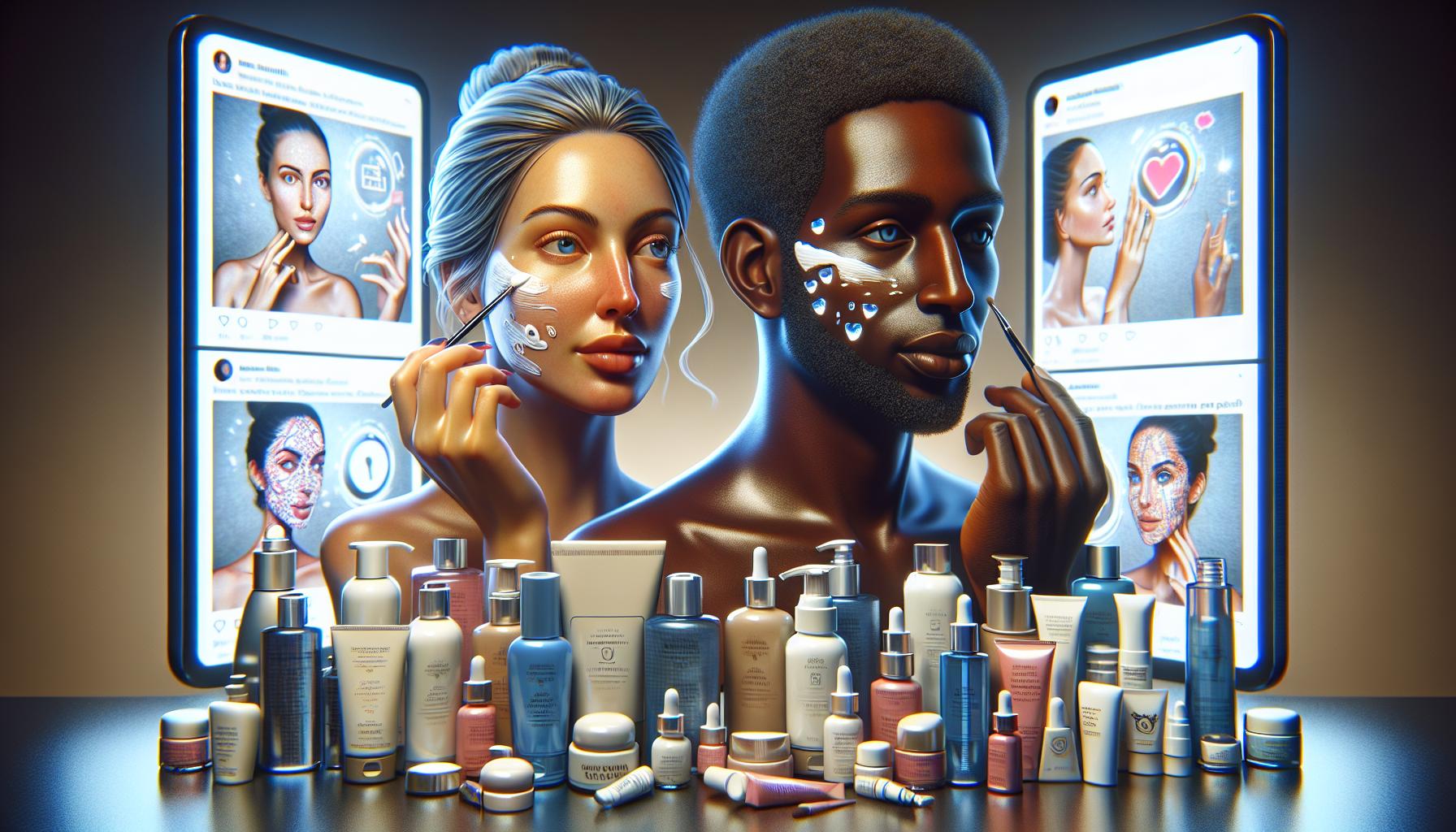
As the demand for personalized experiences continues to rise, augmented reality (AR) has emerged as a game-changing innovation in the beauty industry. Through the use of AR applications, brands like Sephora and Ulta Beauty are redefining the shopping experience by offering consumers a chance to virtually “try on” makeup from the comfort of their homes. These AR tools allow users to upload images of themselves and then overlay different makeup looks in real-time.
This integration of augmented reality not only enhances interaction but also builds confidence in the decision-making process. With studies indicating that consumers spend 60% more time engaging with brands that utilize AR technology, the potential for increased sales and brand loyalty is significant. Additionally, virtual try-ons reduce the uncertainty that often accompanies online purchases, thereby decreasing the likelihood of product returns. The immersive experience adds a layer of excitement and interactivity, ushering in a new era of shopping.
Moreover, social media platforms are increasingly incorporating AR features, driving the popularization of these technologies. Filters that allow users to experiment with makeup looks on apps such as Instagram and Snapchat have caught on rapidly, making AR a staple in the beauty engagement toolkit. Brands can leverage this trend to create shareable content that encourages consumer interaction and community building.
The influence of technology on beauty trends is undeniable and multifold. From providing impressive customization options to enhancing virtual shopping through AR, it is reshaping not just how products are developed and marketed, but also how consumers relate to and experience beauty itself. As this evolution continues, one can only anticipate further innovations that will deepen our understanding of beauty as an inclusive and customizable journey.
| Technology Integration | Impact on Beauty Industry |
|---|---|
| Personalization through AI | Enhanced consumer satisfaction and loyalty via customized beauty solutions. |
| Augmented Reality (AR) Try-Ons | Offers real-time product trials, reducing the return rates and increasing conversions. |
The evolution of technology has spearheaded a revolution in the beauty industry, intertwining artificial intelligence with consumer experience. One of the most transformative technological integrations has been personalization through AI. This advanced technology allows brands to tailor products specifically to individual skin types, preferences, and desires. As consumers increasingly seek products that cater to their unique beauty needs, companies that harness AI for customized solutions see a remarkable increase in overall customer satisfaction and brand loyalty.Similarly, the rise of augmented reality (AR) has introduced groundbreaking ways for customers to engage with beauty products before making a purchase. AR technology enables users to try on makeup virtually, providing a realistic preview of how products will appear on their skin tones. This innovative approach not only enhances the shopping experience but also helps reduce product return rates significantly while boosting conversion rates. By embracing these technologies, the beauty industry is setting new standards for consumer interaction, making the shopping journey more engaging and tailored than ever before.
DIVE DEEPER: Click here to enhance your self-care routine
The Role of Artificial Intelligence in Beauty Customization
The integration of artificial intelligence (AI) into the beauty industry has fundamentally transformed how brands approach product creation and customer engagement. Through sophisticated data analytics and machine learning algorithms, AI can analyze vast amounts of user data to identify trends and develop products that are finely tuned to consumer needs. From skincare regimens tailored to individual skin types to personalized makeup shades that suit one’s complexion, the possibilities are expanding rapidly.
For instance, brands like Olay are utilizing AI to process customer feedback and skin analysis to formulate products. By inputting data from their client’s skin concerns, environment, and lifestyle habits, these brands can create highly customized solutions. This level of personalization not only increases customer satisfaction but also strengthens the bond between the consumer and the brand, making purchasing decisions feel more personal and regarded.
Additionally, research indicates that consumers are increasingly inclined to invest in products that have been AI-optimized. According to a report by McKinsey & Company, around 70% of shoppers express interest in customized products, highlighting a significant shift in buying behavior. This trend presents an understanding that the modern consumer is not merely seeking a one-size-fits-all approach, but rather solutions that specifically cater to their unique circumstances.
The Impact of Social Media on Beauty Trends
Furthermore, the rise of social media has played an indispensable role in shaping modern beauty trends, especially through the lens of customization and augmented reality. Platforms like Instagram and TikTok have become virtual catwalks where beauty enthusiasts showcase diverse looks, often enhanced by AR filters that allow users to recreate these styles effortlessly. This phenomenon promotes a fluid and dynamic exchange of ideas and trends, amplifying the reach of customized beauty.
Engagement levels rise significantly when brands utilize influencers and user-generated content. The hashtag #makeupchallenge has garnered millions of views, showcasing everyday users experimenting with beauty products. These trends not only drive product sales but also create an interactive community where beauty is perceived as an inclusive and collaborative endeavor. By using AR tools that simulate products in real time, brands empower consumers to explore various styles without the fear of commitment.
Moreover, the ability to personalize beauty products through social media is enhanced by algorithms that predict individual tastes based on previously engaged content. This predictive capability is amplified by data collected from users’ interactions, making the shopping experience not only individualized but also more intuitive. The confluence of social media and technology is pushing boundaries, encouraging brands to innovate continually.
The continuous evolution of AI and social media technologies signals an exciting future for customized beauty products and augmented reality experiences. As consumers increasingly want brands that understand their unique beauty journeys, technology stands at the forefront, promising innovative solutions that cater to every individual’s needs and aspirations in the beauty realm.
LEARN MORE: Click here for insights on hydration and skin health
Conclusion: The Future of Beauty in a Technological Era
In summary, the fusion of technology and beauty is indisputably redefining the landscape of consumer experience within the beauty industry. The rise of customized beauty products, powered by artificial intelligence and data-driven insights, signifies a major shift from traditional approaches to a more tailored, customer-centric model. As illustrated by brands like Olay, the ability to provide skincare and makeup solutions personalized to individual consumer needs enhances satisfaction, loyalty, and engagement.
Moreover, augmented reality’s incorporation into social media platforms such as Instagram and TikTok adds a visual and interactive dimension, allowing consumers to explore myriad beauty possibilities effortlessly. This dynamic environment not only facilitates experimentation but also fosters a sense of community through shared experiences, thus democratizing beauty.
Looking forward, it becomes evident that as consumer preferences continue to evolve, brands committed to leveraging technology for personalization will be at the forefront of market success. The trajectory of customized products, interlinked with user-driven content and innovative AR tools, suggests a thrilling future where technology does not just support beauty practices but also becomes integral to their very essence. With insights from reports indicating that up to 70% of consumers are intrigued by personalized offerings, the imperative for brands to adapt remains more critical than ever.
Ultimately, technology is not merely a tool but the heartbeat of the modern beauty industry, promising a realm where individual beauty journeys are celebrated, and the diversity of customer needs is met with innovation and creativity. For consumers, this is an invitation to engage with their beauty more holistically, while for brands, it’s an impetus to transform conventional methodologies into visionary experiences.