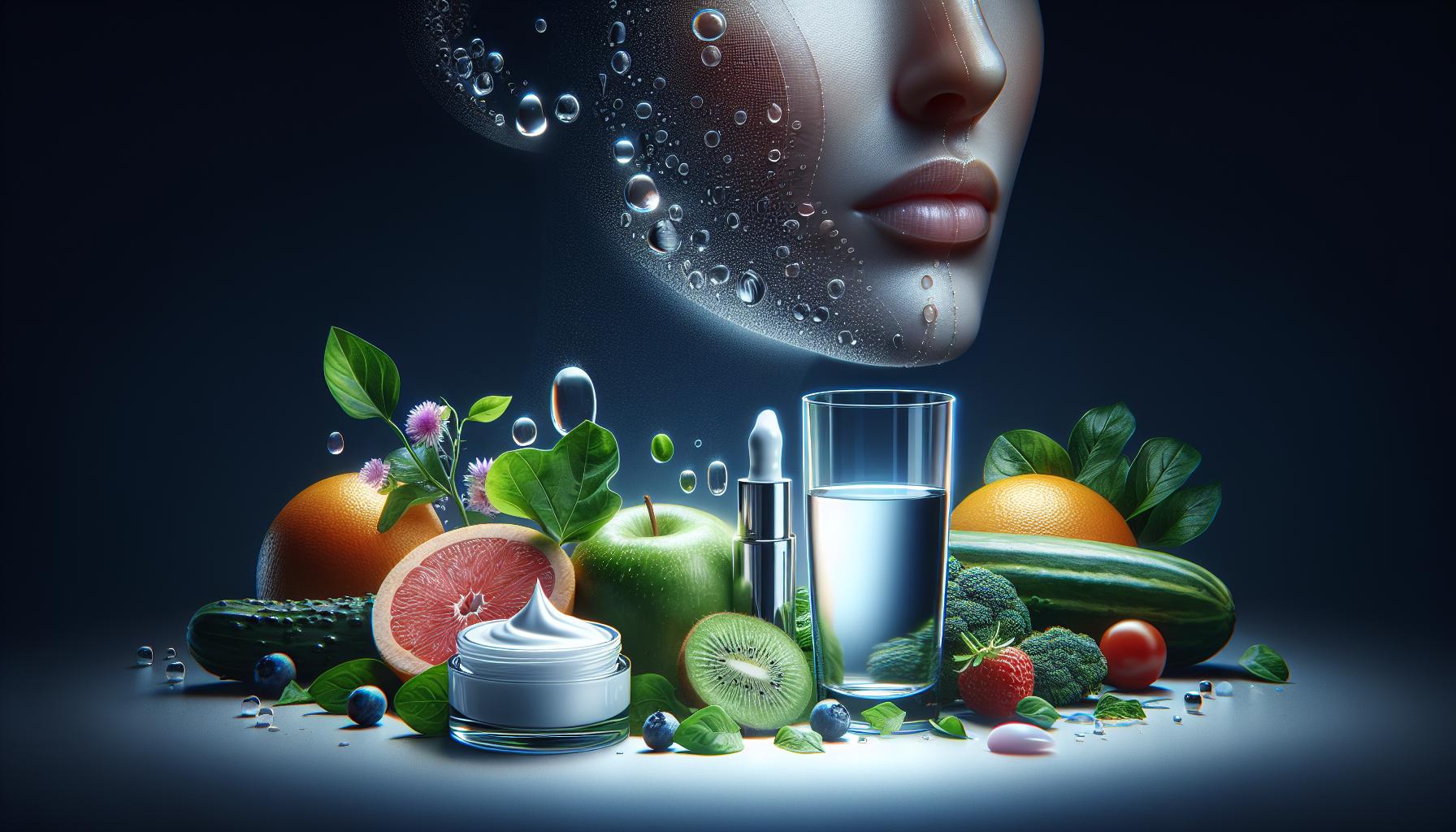
The Importance of Hydration for Skin Health: Myths and Truths
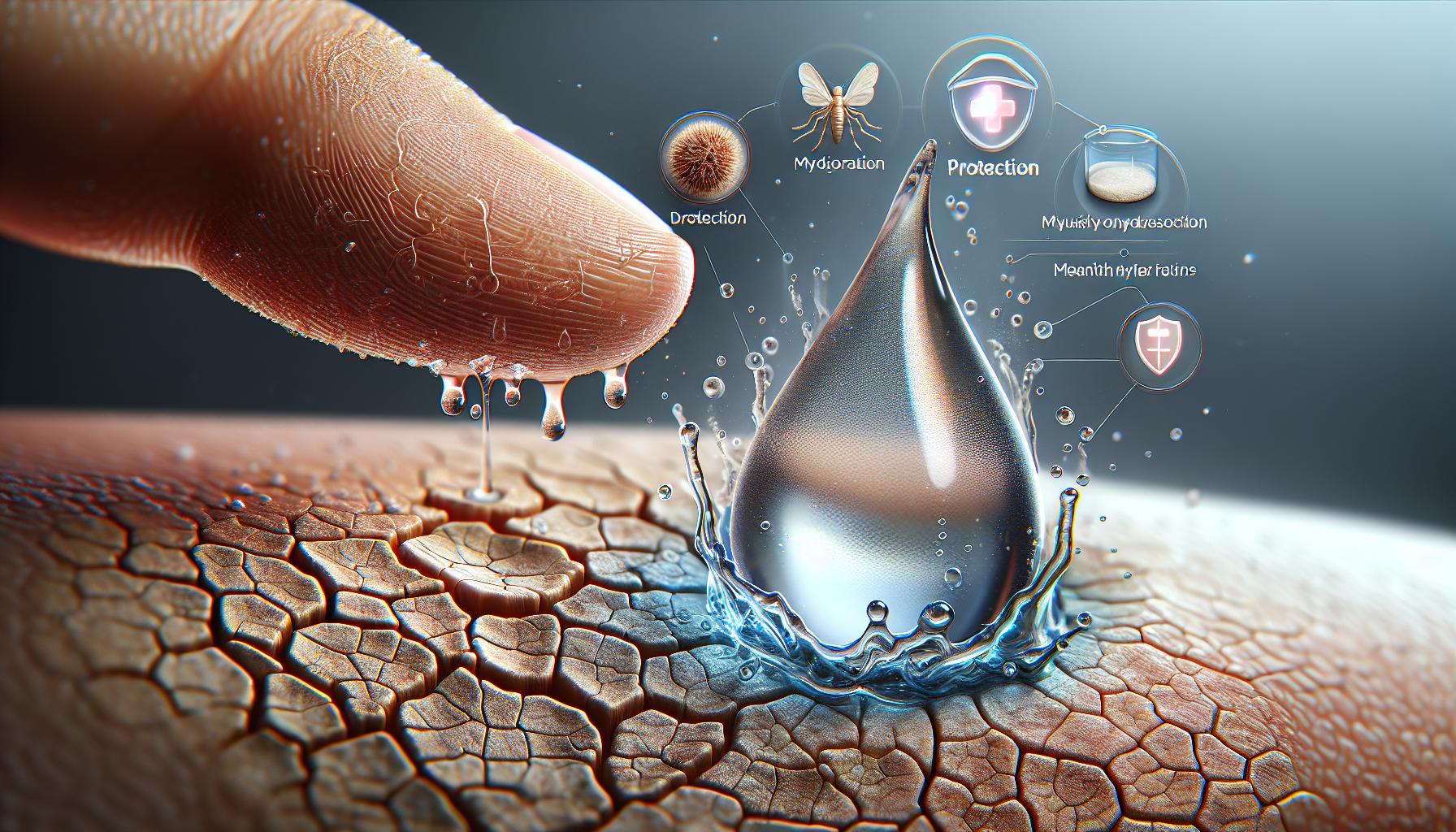
Hydration: A Vital Element for Skin Health
Understanding the role of hydration in skin health is essential for anyone aiming for a vibrant complexion. Many people believe that drinking water alone is enough to keep skin looking its best, but the truth is more nuanced. Myths and misconceptions abound, leading to confusion about how hydration impacts our skin.
Consider these key aspects:
- Water Intake: While drinking plenty of water benefits overall health, it does not guarantee skin hydration. The skin’s barrier function relies on much more than just internal hydration; factors like skin type, age, and environmental conditions also play critical roles. For example, an individual may drink eight glasses of water a day yet still struggle with dry, flaky skin due to a compromised skin barrier.
- External Factors: Mistakenly, many think climate or humidity solely dictates skin moisture levels. In reality, elements such as exposure to air conditioning, pollution, and even harsh cleansers can strip skin of its natural moisture. For instance, in arid regions, even someone maintaining a high water intake may find their skin drying out without the help of a good moisturizer.
- Hydration Products: Not all moisturizers or serums are effective at retaining moisture in the skin. Ingredients like hyaluronic acid and glycerin are known for their hydrating properties, but they must be used correctly—ideally, on damp skin for maximum effect. Many users might opt for products filled with heavy oils and forget that those can sometimes clog pores without providing essential hydration.
As the conversation around skin hydration evolves, many intriguing questions arise. Can topical moisturizers replace drinking water? How does humidity impact skin moisture? Understanding the truths behind these questions can transform skincare routines, leading to healthier skin.
For example, topical moisturizers cannot fully replace water intake. While they can provide a protective layer that minimizes moisture loss from the skin’s surface, the cells themselves need adequate hydration from within. Conversely, when humidity levels are high, skin can absorb moisture from the air. However, low humidity environments, especially during winter months in states like Minnesota or North Dakota, can lead to increased trans-epidermal water loss (TEWL), where moisture escapes from the skin more rapidly.
In this article, we delve deep into the importance of hydration for skin health, debunk common myths, and reveal surprising truths. For instance, studies indicate that adequate hydration can actually help slow skin aging and improve the skin’s elasticity. Get ready to explore how proper hydration can be a game changer for your skin, prompting an investment in both drinking habits and skincare products that genuinely enhance skin moisture levels.

DON’T MISS OUT: Click here to get started on your skincare journey
The Complexities of Skin Hydration
When it comes to skin health, understanding how hydration works can make all the difference in achieving that coveted glow. Hydrated skin is more resilient, plumper, and less prone to irritation. Yet, many people find themselves ensnared in the web of misinformation regarding hydration’s impact on skin. To navigate this landscape, it’s important to dissect some common beliefs and establish what truly promotes skin hydration.
Let’s examine several pervasive myths surrounding hydration and skin health:
- Myth 1: Drinking Water Keeps Skin Supple: Although consuming adequate amounts of water is essential for overall health, its direct correlation with skin moisture is overstated. The skin acts as a barrier that requires more than hydration from within; it also relies on external factors for proper moisture retention. Various internal and external factors—including diet, skincare products, and even stress—contribute to the condition of your skin.
- Myth 2: Oily Skin Doesn’t Need Moisturizer: A common misconception is that those with oily skin can forgo moisturizer due to natural oils. In fact, oily skin can still be dehydrated. The lack of moisture often leads the skin to produce excess oil as a compensatory mechanism. Using lightweight, hydrating products specifically designed for oily skin helps maintain balance without clogging pores.
- Myth 3: Skin Can’t Absorb Moisture in Dry Environments: While it’s true that dry air can inhibit skin moisture retention, it’s also not accurate to say skin is entirely helpless. During dry conditions, the use of hydrating products with occlusive ingredients, such as ceramides, can help create a barrier that locks moisture in, mitigating some of the drying effects of the environment.
As we dissect these myths, it becomes clear that proper understanding of hydration can empower individuals to make informed decisions regarding their skincare routines. A high water intake is beneficial, but it should be complemented by appropriate topical products to support and enhance skin moisture levels.
With that in mind, it is vital to explore what hydrates the skin effectively. In addition to drinking sufficient water, which has numerous health benefits, choosing skincare products with targeted ingredients is crucial. Ingredients such as:
- Hyaluronic Acid: This powerhouse ingredient can hold up to 1000 times its weight in water, making it highly effective for attracting and maintaining moisture in the skin.
- Glycerin: Known as a humectant, glycerin draws water from the environment into the skin, offering immediate hydration relief.
- Natural Oils: Oils like jojoba or squalane not only provide hydration but also help lock it in, ensuring the moisture stays within the skin barrier.
In the journey of understanding the intricacies of hydration, recognizing which products to incorporate into a skincare regimen is essential. As we delve deeper into what truly enhances skin hydration, a holistic approach that combines lifestyle, hydration, and topical treatment is essential for maximizing skin health.
When exploring the importance of hydration for skin health, it’s crucial to distinguish between common myths and evidence-based truths. Many people believe that drinking excessive amounts of water will automatically translate to beautiful skin. While staying hydrated is essential, the skin’s appearance is influenced by various factors, including diet, environmental elements, and skincare routines. In reality, hydration plays a supportive role in maintaining overall skin health, rather than serving as a standalone solution for issues like acne or aging.
Furthermore, a common misconception is that all fluids are equally beneficial for hydration. While water is key, beverages like coffee and alcohol can actually dehydrate the body, which may hinder skin health. Conversely, hydrating foods such as cucumbers, oranges, and avocados contribute not only to hydration but also provide important nutrients that promote skin vitality. This essential knowledge encourages individuals to adopt a more holistic approach to skincare, focusing on nutrition and the topical products they use.
Research has shown that topical hydration can improve skin texture and elasticity. Ingredients such as hyaluronic acid and glycerin can draw moisture into the skin, enhancing its overall appearance. But it’s important to remember that no one-size-fits-all remedy exists; individual skin types react differently to hydration approaches. This dynamic between internal and external hydration is critical when considering effective skin care.
By addressing these myths and understanding the truths about hydration, individuals can make informed choices to achieve healthier skin. Knowing what truly benefits skin health fosters a proactive mindset towards implementing effective hydration strategies that cater to unique skincare needs.
| Category | Details |
|---|---|
| Hydration Myths | Excessive water intake directly improves skin health. |
| Hydration Truths | Balanced hydration, including topical products, supports skin vitality. |
DISCOVER MORE: Click here to uncover the secrets of Vitamin C
Effective Strategies for Optimal Skin Hydration
With an understanding of the common myths dispelled, it’s time to turn our attention to practical strategies that can effectively enhance skin hydration. Implementing a combination of internal and external hydration practices can empower individuals to achieve glowing, healthy skin.
First and foremost, it’s crucial to establish a balanced diet that not only hydrates from the inside but also delivers essential nutrients. Foods rich in omega-3 fatty acids, for instance, such as salmon, walnuts, and chia seeds, can bolster the skin’s lipid barrier, preventing moisture loss. Incorporating fruits and vegetables high in water content—like cucumbers, oranges, and strawberries—further supports hydration. These nutrient-dense foods provide vitamins and antioxidants that reinforce skin structure and resilience against environmental stressors.
In addition to dietary choices, regular physical activity promotes circulation, which is vital for nutrient delivery and waste removal in the skin. When coupled with hydration, exercise can stimulate sweat production—an additional way the skin can maintain moisture balance. However, it is essential to hydrate adequately after workouts, as sweat loss can contribute to dehydration if not replenished.
The Role of Sun Protection in Skin Hydration
Even the most rigorous hydration routine can be undercut by exposure to harmful UV rays. Ultraviolet radiation accelerates water loss from the skin and hinders its ability to retain moisture. Therefore, incorporating sufficient sun protection into daily routines is imperative. Broad-spectrum sunscreens with an SPF of at least 30 should be liberally applied, giving special attention to commonly overlooked areas such as the neck and ears.
Moreover, not all moisturizers are created equal. It is beneficial to select formulations that cater to individual skin types and concerns. For example, those with dry skin should seek richer creams that provide emollients and occlusives, while individuals with combination or oily skin can look for lightweight gels or lotions that offer hydration without excess weight. Always look for products that explicitly state their hydrating qualities or contain beneficial ingredients previously mentioned, such as hyaluronic acid and glycerin.
Environmental Considerations for Hydration
Environmental factors such as air pollution and seasonal changes also play a substantial role in skin hydration. During colder months, heated indoor air becomes dry, exacerbating moisture loss. Using a humidifier in living spaces can add moisture back into the air, helping skin maintain hydration. It’s equally important to adapt skincare routines based on the seasons; opting for richer creams in winter and lighter formulations in warmer months can be beneficial.
Furthermore, adopting a comprehensive skincare routine goes beyond merely applying products. Practices like gentle exfoliation can help remove dead skin cells, allowing hydrating ingredients to penetrate better. However, over-exfoliation should be avoided as it can strip away essential moisture and disrupt the skin barrier.
Overall, understanding the multifaceted nature of hydration along with a personalized approach to skincare can greatly enhance skin health. Emphasizing diet, protection from environmental aggressors, and suitable product choices all contribute to maintaining optimal hydration levels. By dispelling myths and embracing effective strategies, individuals can ensure their skin remains nourished, radiant, and resilient against the challenges it faces daily.
DON’T MISS OUT: Click here for essential beauty tips!
Conclusion: Embracing Hydration for Radiant Skin
In conclusion, the importance of hydration for skin health cannot be overstated. By debunking prevalent myths surrounding skin hydration, we’ve illuminated the truths that underpin vibrant, healthy skin. It is essential to recognize that skin hydration is not solely reliant on water intake but also significantly influenced by diet, environmental factors, and proper skincare practices.
Implementing effective strategies such as consuming nutrient-dense foods, engaging in regular physical activity, and safeguarding skin with optimized sun protection can dramatically enhance the skin’s ability to retain moisture. Moreover, understanding and adapting to seasonal changes while selecting suitable moisturizers tailored to individual skin types further ensures that hydration levels are maintained throughout the year.
As we navigate this complex landscape of skincare, it is vital to move beyond simplistic notions and embrace a holistic approach focused on both internal and external factors. With ongoing research and a growing understanding of skin health, individuals are encouraged to seek out reliable information and customized solutions that cater to their unique needs. Ultimately, by prioritizing hydration as a fundamental pillar of skincare, we can unlock the secret to not just appealing aesthetics, but also enduring skin health and resilience against the elements.
As you delve deeper into the science of hydration, consider the ways in which your choices today can pave the way for tomorrow’s skin health. Armed with knowledge, it’s time to take proactive steps towards embracing hydration as your ally in achieving radiant skin.