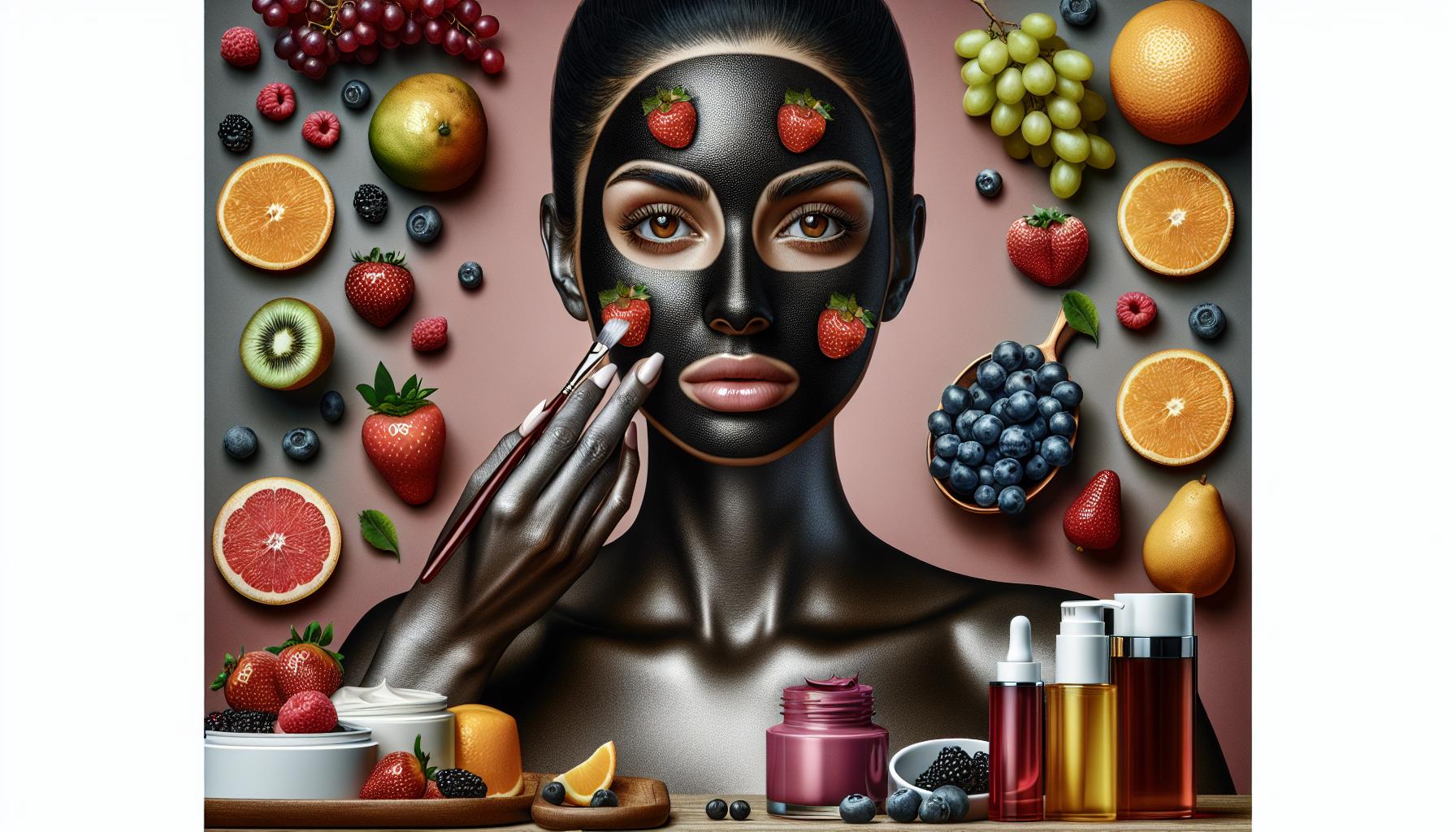
The Effects of Diet on Skin Appearance

The Role of Diet in Skin Health
The quest for radiant skin is a common pursuit, but have you ever considered that the answer might be sitting right on your plate? Our dietary choices significantly influence the overall health and appearance of our skin, affecting everything from its texture to its vibrancy. The connection between the food we eat and our skin condition is more profound than many realize.
One of the most critical factors to consider is hydration. Adequate water intake is essential for maintaining skin elasticity and moisture levels. When we are dehydrated, our skin can appear dull and may even develop fine lines and wrinkles more quickly. Incorporating water-rich foods, such as cucumbers and watermelon, can also help boost hydration levels. Aiming for at least eight glasses of water a day is a simple yet effective way to support skin health.
Another factor to keep in mind is the nutrients we consume. Vitamins A, C, and E are particularly noted for their skin-enhancing properties. For instance, Vitamin C, found abundantly in citrus fruits and bell peppers, is known for its role in collagen production, which helps maintain skin’s firmness and resilience. Vitamin A, present in foods like carrots and sweet potatoes, plays a crucial role in skin cell turnover, while Vitamin E, found in nuts and green leafy vegetables, acts as an antioxidant that protects skin cells from oxidative damage.
Additionally, incorporating fatty acids, particularly Omega-3s, is beneficial for combating inflammation and promoting a healthy skin barrier. Foods like salmon, walnuts, and flaxseeds are excellent sources of Omega-3 fatty acids. They not only help improve skin hydration but may also reduce the occurrence of acne and psoriasis. Studies have suggested that diets rich in these healthy fats can lead to clearer and more supple skin.
Research indicates that specific dietary choices can have untold effects on issues like acne, dryness, and signs of premature aging. For example, a diet high in antioxidants can combat oxidative stress, which is a significant contributor to skin aging. Foods such as berries, dark chocolate, and green tea are excellent options to incorporate into your daily routine to provide your skin with the nourishment it craves.
In this exploration, we will delve deeper into how specific dietary habits shape your skin’s appearance and identify foods to include or avoid for optimal skin health. You might be surprised at how easy changes to your pantry can lead to noticeable improvements in your complexion. Understanding the direct link between diet and skin health could empower you to make more informed choices, leading to that coveted glow.
DISCOVER MORE: Click here for essential skincare tips!
Nutrient-Rich Foods for Glowing Skin
To improve skin appearance and overall health, it is essential to focus on a balanced diet rich in vitamins, minerals, and healthy fats. The skin, being the body’s largest organ, reflects not just our external beauty but also our internal health. The foods we consume play a significant role in determining the complexion, elasticity, and overall vitality of our skin. This article delves deeper into specific nutrients that can enhance skin health and discusses how to effectively incorporate them into your daily diet.
- Antioxidants: These powerful compounds combat free radicals in the body, which are known to accelerate the aging process and contribute to various skin issues. Foods high in antioxidants include berries such as blueberries, strawberries, and raspberries. These vibrant fruits are not only delicious but are also packed with vitamins C and E, which are essential for skin repair. Spinach and kale, rich in carotenoids and flavonoids, enhance skin radiance by protecting against UV damage while promoting healing. Adding a handful of these greens to your smoothie or salad can be an effortless way to boost your antioxidant intake.
- Healthy fats: Omega-3 fatty acids are critical for maintaining skin barrier function, reducing dryness, and supporting overall skin hydration. Sources like avocados offer not just monounsaturated fats but also vitamins E and C, which help protect skin from oxidative stress. Chia seeds, packed with fiber and omega-3s, can be easily incorporated into smoothies, oatmeal, or even baked goods. Olive oil, known for its anti-inflammatory properties, can be used as a salad dressing or cooking oil to enrich your meals while benefiting your skin.
- Whole grains: Foods such as quinoa, brown rice, and oats provide vital nutrients like zinc and vitamins from the B-complex family, both of which are crucial for skin repair and renewal. For example, zinc is known to help with the healing of acne lesions and has anti-inflammatory properties. Whole grains also contain fiber, which promotes healthy digestion and, in turn, improves skin health by helping expel toxins effectively.
- Probiotics: There is a growing consensus about the connection between gut health and skin appearance. Fermented foods such as yogurt, kimchi, and kombucha offer beneficial bacteria that can enhance gut health. A balanced gut microbiome may reduce skin conditions such as acne and eczema, leading to a clearer complexion overall. Regular consumption of these foods can support digestive health and provide valuable nutrients that further benefit the skin.
Conversely, certain dietary choices can negatively impact your skin. A diet high in refined sugars and unhealthy fats can lead to increased insulin levels, which may trigger oil production and enhance acne formation. Fast food and processed snacks, rich in trans fats and preservatives, should be limited, as they not only promote inflammation but can also dull your skin’s appearance. For example, a daily intake of processed snacks may lead to a noticeable decline in skin clarity and vibrancy.
Additionally, dairy products have come under scrutiny for their potential link to acne flare-ups. Some studies suggest that individuals consuming higher amounts of dairy, particularly low-fat options, may experience worsened skin conditions. Therefore, monitoring your dairy intake and observing its effects on your skin could be beneficial for identifying food sensitivities and making informed dietary choices.
Understanding the effects of diet on your skin involves both recognizing what to include and what to avoid. Experimenting with different foods and observing how they impact your complexion is key. For instance, keeping a food diary can help track changes in your skin and identify potential triggers. Tailoring your nutritional choices can ultimately lead to a more vibrant and healthful skin appearance, emphasizing the integral role diet plays in your comprehensive skincare regimen.
| Diet Type | Impact on Skin |
|---|---|
| Mediterranean Diet | Rich in antioxidants; promotes youthful skin and reduces signs of aging. |
| High Sugar Diet | Leads to acne and inflammation, compromising skin health over time. |
When considering the effects of diet on skin appearance, different dietary choices can yield markedly diverse results. For instance, studies suggest that a Mediterranean diet, characterized by a high intake of fruits, vegetables, whole grains, and healthy fats like olive oil, is linked to improved skin elasticity and reduced wrinkles. The abundance of antioxidants present in this type of diet helps combat oxidative stress, which is a significant contributor to skin aging.Conversely, a diet high in sugar has been found to exacerbate skin conditions such as acne and may lead to premature aging. The process of glycation, where sugar molecules bind to proteins in the body, can worsen skin texture and appearance. It’s crucial to remain informed about how dietary choices affect skin health and encourage a balanced approach towards nutrition. This connection not only highlights the importance of a nutrient-rich diet but also inspires individuals to explore the potential for diet to enhance their skin’s vitality and radiance. By delving into this topic, one can uncover how specific foods influence the intricate nature of skin appearance.
DISCOVER MORE: Click here to learn about the benefits of jojoba oil
The Impact of Hydration on Skin Health
Hydration is another vital aspect of maintaining healthy skin. Water is the simplest yet most effective way to keep your skin hydrated, as dehydration can lead to dryness, flakiness, and a lackluster appearance. When the body is adequately hydrated, skin cells are better able to function, leading to improved elasticity and a more radiant complexion. Aim for at least eight 8-ounce glasses of water daily, and consider incorporating hydrating foods such as cucumbers, watermelon, and celery into your meals, which can further boost your fluid intake and enhance skin hydration.
Moreover, the skin barrier is crucial for retaining moisture. Essential fatty acids, like those found in nuts, seeds, and fish, are key for maintaining this barrier. Research indicates that a diet low in omega-3 fatty acids can lead to a compromised skin barrier, resulting in increased water loss and a more vulnerable complexion. Remember to include foods rich in these fatty acids, such as salmon, walnuts, and flaxseeds, to support not just skin hydration but overall skin resilience.
The Role of Vitamins in Skin Repair
Vitamins play a monumental role in skin health, with specific vitamins being tied directly to improvements in skin clarity and appearance. For instance, Vitamin A is essential for skin cell production and turnover, helping to repair damaged skin and preventing acne breakouts. Foods rich in Vitamin A include carrots, sweet potatoes, and dark leafy greens. Incorporating these into your meals can help stimulate collagen production, resulting in firmer, smoother skin.
Vitamin C is another powerhouse nutrient that supports skin health by aiding in the synthesis of collagen, a protein critical for skin structure. Citrus fruits, such as oranges and grapefruits, and other sources like bell peppers and kiwis, are packed with Vitamin C. They act as antioxidants, combating oxidative stress and protecting the skin from environmental damage. Regular intake of Vitamin C-rich foods may lead to a brighter complexion while reducing signs of aging.
Dietary Patterns that Enhance Skin Appearance
Aside from individual nutrients, dietary patterns can influence skin health as well. The Mediterranean diet, which emphasizes fruits, vegetables, whole grains, fish, and healthy fats, has gained acclaim for its skin-boosting benefits. Studies have shown that individuals adhering to this diet report better skin tone and elasticity. A traditional Mediterranean meal might include grilled salmon drizzled with olive oil, paired with a fresh salad of mixed greens, tomatoes, and olives, presenting a delicious way to improve skin appearance.
On the other hand, diets high in processed foods and refined carbohydrates, such as white bread and candies, can promote inflammation and worsen skin conditions. These unhealthy eating patterns are often linked to increased oil production and acne flare-ups. Understanding and adjusting your dietary habits to minimize these processed foods can be an excellent first step toward clearer and healthier skin.
Keeping a varied and nutrient-dense diet is not just about focusing on what you eat; it’s equally important to maintain balance and moderation. Noticing how different foods impact your skin can help you make informed choices. Ultimately, the journey to achieving glowing skin involves a comprehensive approach that combines good nutrition, hydration, and mindful eating habits.
DISCOVER MORE: Click here to discover how technology is changing beauty trends
Conclusion: Embracing Diet for Healthier Skin
As we delve into the intricate relationship between diet and skin appearance, it’s clear that the food we consume plays a vital role in our skin’s health and vitality. From hydration to vital vitamins and dietary patterns, each element contributes uniquely to achieving that coveted glow. By prioritizing water consumption and incorporating hydrating foods into our meals, we enhance our skin’s elasticity and radiance. Furthermore, embracing dietary sources of essential fatty acids and key vitamins can significantly impact the skin’s ability to repair itself and maintain firmness.
Moreover, by adopting wholesome dietary patterns, such as the Mediterranean diet, individuals may witness remarkable improvements in skin tone and resilience. Conversely, steering clear of processed foods and refined sugars can help mitigate inflammation and prevent skin issues. Ultimately, an approach focused on nutrient-rich foods fosters not only healthier skin but also promotes overall well-being.
The journey to vibrant skin is a multifaceted one, requiring a blend of conscious nutritional choices, wise hydration practices, and mindfulness regarding the foods we consume. As you explore this path, remember that observing how your skin reacts to specific dietary changes can be an enlightening experience. By doing so, you can tailor your food intake to resonate with your unique skin needs, paving the way for a more radiant and healthier appearance.