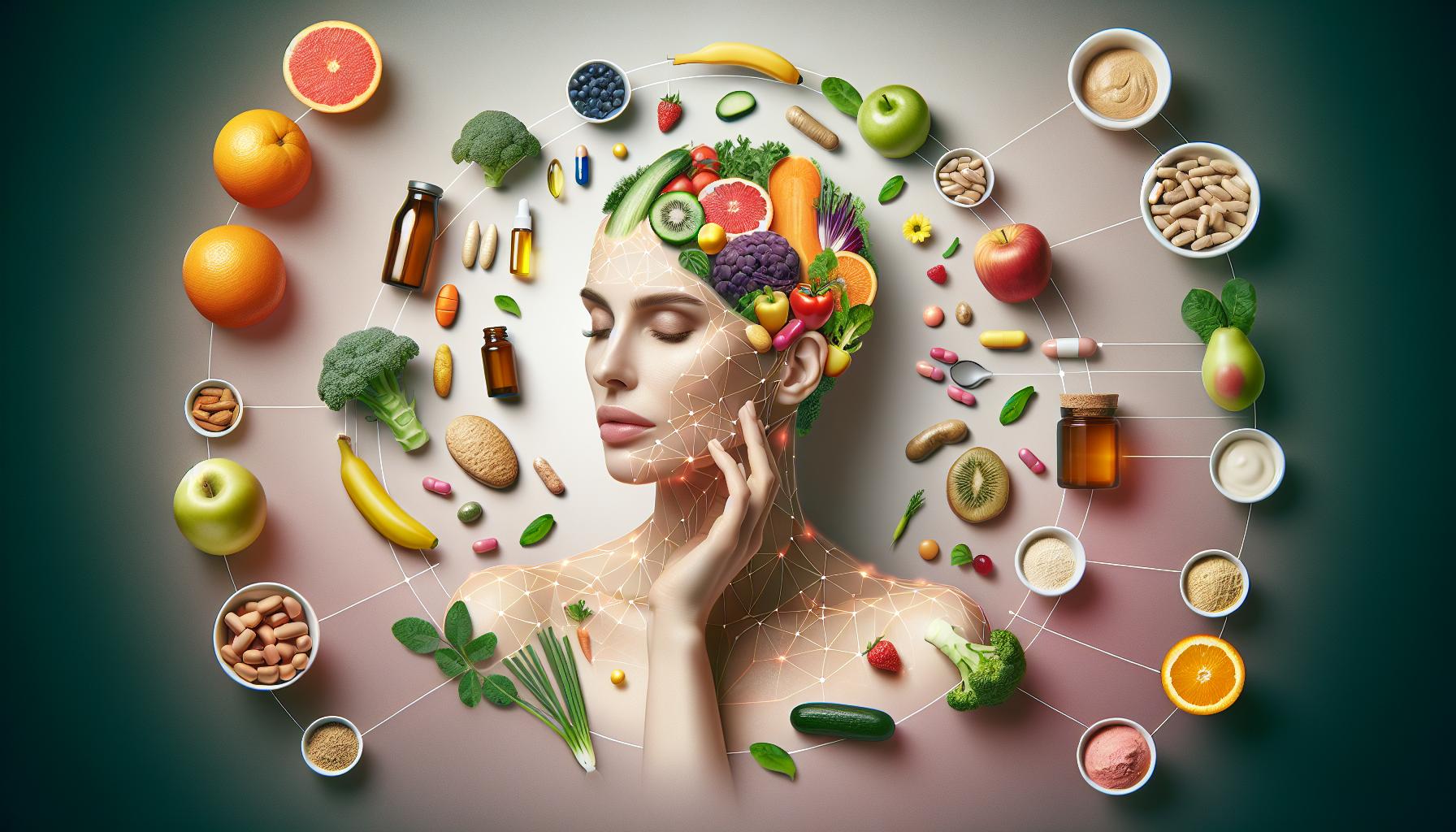
Innovations in Natural Ingredients for Skin Care: The Future of Cosmetics

Innovations in Natural Ingredients
The skin care industry is experiencing a transformative revolution fueled by groundbreaking innovations in natural ingredients. As consumers increasingly educate themselves about the potential hazards associated with synthetic chemicals, many brands are seeking refuge in nature’s bounty. This shift not only enhances the safety of products but also unveils a plethora of benefits that resonate with today’s conscious consumer.
Natural ingredients are not merely a passing trend; they are redefining the landscape of skin care with impressive advancements. Leading the charge are several key innovations worth noting:
- Botanical extracts: These plant-derived components harness powerful properties from known heroes like turmeric, renowned for its anti-inflammatory and antioxidant benefits, and green tea, celebrated for its ability to combat free radical damage. Brands like Tatcha and Herbivore Botanicals are leveraging these ingredients to create products that soothe and rejuvenate the skin.
- Prebiotics and probiotics: Essential for maintaining a balanced skin microbiome, these ingredients help in promoting healthier skin. Products that incorporate these elements, such as those from brands like Biossance, aim to restore the skin’s natural barrier and improve overall texture by nurturing the beneficial bacteria.
- Biotechnology: This cutting-edge approach utilizes fermentation and cell culture techniques to enhance ingredient efficacy. Brands such as Amorepacific are extracting bioactive compounds from green tea through sophisticated methods to yield higher concentrations of potent antioxidants.
These developments are paving the way for products that not only cater to aesthetics but also respond to a growing demand for sustainability and efficacy. With increasing consumer awareness, there is a strong desire for formulations that nurture the skin while aligning with environmental values. Consumers are now prioritizing products made from ethically sourced ingredients and sustainable practices.
As research continues to unveil the vast potential hidden within the realm of nature, the future of cosmetics appears promising. As brands innovate and create eco-friendly options, the emphasis on transparency and ingredient integrity becomes paramount. This desire for transparent labeling empowers consumers to make informed choices about what they apply to their skin.

Are you prepared to delve into this exciting evolution? The landscape of skin care is expanding, offering a multitude of opportunities to discover products that not only beautify but also preserve the planet. With nature as an ally, the possibilities are limitless.
DISCOVER MORE: Click here for morning skincare tips
Exploring the Realm of Natural Ingredients
The burgeoning movement towards natural skin care has catalyzed a remarkable shift in formulation strategies, revealing a treasure trove of traditional and innovative natural ingredients. This newfound focus on nature not only aligns with rising consumer conformance to clean beauty standards but also invites a fascinating blend of science and traditional wisdom. As brands invest in research and development, they are dedicated to unearthing versatile solutions that harness the full potential of nature.
One of the most exciting breakthroughs involves the use of superfoods in skincare. Ingredients like chia seeds, spirulina, and acai berries have emerged, known for their exceptional nutrient profiles. Rich in vitamins, antioxidants, and essential fatty acids, these superfoods are capable of delivering impressive skin benefits, such as enhanced hydration, improved elasticity, and a radiant complexion. Brands like Youth to the People have incorporated these ingredients into their formulations, fostering a wellness approach that promotes skin health from within.
Additionally, innovative extraction methods are paving the way for maximizing the potency of these natural ingredients. Techniques such as cold pressing and CO2 extraction ensure that the delicate compounds within the plants remain intact and bioavailable. By utilizing these advanced processes, brands can offer products that feature higher concentrations of active constituents, thus yielding enhanced results for consumers. For instance, companies like Biossance have harnessed sugarcane-derived squalane, an ingredient effectively providing deep moisture without leaving a greasy residue, making it suitable for a wide range of skin types.
- Adaptogens: These natural substances help the body adapt to stress and promote homeostasis. Ingredients like ashwagandha and holy basil are making their way into skin care formulations, known for their ability to combat inflammation and balance skin response to environmental stressors.
- Essential Oils: Extracted from plants, essential oils are celebrated not just for their aromatic qualities, but for their therapeutic benefits as well. Incorporating oils like lavender for calming effects or tea tree for its antimicrobial properties is proving to enhance both sensory experience and skin health.
- Seaweed and Algae: Rich in nutrients and antioxidants, marine-derived ingredients are gaining traction. These components have been shown to improve skin hydration and texture while offering protection against environmental aggressors.
As more consumers seek transparency and efficacy in their skincare regimes, brands are challenged to innovate responsibly. The future of cosmetics not only lies in what is inside the bottle but also in how those ingredients are sourced and processed. With an emphasis on creating products that are ethically produced and environmentally friendly, the skin care sector is stepping into a new era that deeply respects the delicate balance of nature.
With this expanding interest in the skin’s natural ecosystem, the engagement with holistic approaches to skin health fosters connections across both sustainability and innovation. As curiosity about the efficacy of natural ingredients grows, consumers are empowered to explore formulations that resonate with their values while also delivering desired results.
| Category | Key Features |
|---|---|
| Organic Plant Extracts | Rich in antioxidants and vitamins, plant extracts help to rejuvenate skin and combat signs of aging. |
| Innovative Biotechnologies | Utilizing biotech processes allows for the creation of highly effective natural compounds that enhance skin vitality and appearance. |
| Sustainable Sourcing | Focus on sustainable practices ensures that the ingredients used in cosmetics do not deplete natural resources. |
| Custom Formulations | The use of custom blends allows consumers to experience tailored skincare that meets their specific needs. |
The skin care industry is entering a revolutionary phase with these innovations that not only focus on effectiveness but also promote ethical considerations. Organic plant extracts, expertly derived from various botanicals, have gained traction due to their potent abilities to nourish the skin and support its natural healing processes. Simultaneously, innovative biotechnologies are paving the way for more potent active ingredients that can significantly enhance skin health, achieving results that previously seemed unattainable through conventional methods.Additionally, sustainable sourcing practices are becoming integral in product development, as consumers increasingly demand transparency and environmental awareness from brands. These strides highlight a shift towards a more holistic approach to beauty, encompassing not just the health of the skin but also the well-being of the planet. This dynamic evolution suggests a bright future for cosmetics illuminated by nature’s own treasures. As the beauty landscape continues to evolve, staying informed about these exciting developments in natural ingredients can transform not only consumer choices but also the overall approach to personal care.
DISCOVER MORE: Click here for a detailed guide
Integrating Technology with Nature
As the skincare industry evolves, the intersection of technology and natural ingredients is paving the way for a new wave of innovation. Brands are increasingly utilizing advanced biotechnology to manipulate natural substances, enhancing their efficacy while retaining the purity that consumers seek. This method not only broadens the range of potential ingredients available for skincare but also opens doors to sustainable solutions that can minimize environmental impact.
One notable trend is the development of biopolymers, which are derived from natural sources and offer multifunctional benefits. For instance, companies are extracting plant-based hyaluronic acid through fermentation processes, which helps achieve superior hydration without the ethical concerns associated with animal-derived versions. Such innovations provide a sustainable option for maintaining skin moisture and plumpness, attracting consumers who prioritize environmentally conscious choices.
Moreover, lab-grown ingredients are making waves within the sector. By replicating the natural environment necessary for plant growth, scientists can produce active compounds found in rare botanicals, such as rosehip oil or marula oil, without the need for extensive harvesting. This method not only preserves endangered plant species but also ensures consistent quality and potency in formulations. For example, brands like Epionce are spearheading efforts to utilize lab-created natural compounds, promising the effectiveness of traditional botanicals while supporting conservation outreach.
- Sustainable Sourcing: Growing concerns about climate change and biodiversity loss have led companies to commit to ethical and sustainable sourcing of natural ingredients. Many brands now employ certified fair trade practices to ensure the livelihoods of farmers and communities involved in the supply chain, promoting a more sustainable economy.
- Plant Cell Culture Technology: This cutting-edge technology allows for the cultivation of plant cells that can be harvested for their bioactive compounds. This innovation not only reduces the need for wild harvesting but also enables year-round production of rare ingredients, ensuring consistency and reducing costs.
- Smart Delivery Systems: The advent of advanced delivery systems, such as microencapsulation, ensures that natural ingredients remain stable and effective upon application. These systems can enhance the permeability of active compounds, providing deeper penetration into the skin and optimizing their benefits. Companies like Drunk Elephant have embraced such technologies, ensuring their products deliver the desired results.
Furthermore, the impact of consumer research in shaping product offerings cannot be overstated. As companies conduct in-depth studies to examine the effectiveness of various natural ingredients, consumer preferences are steadily influencing formulations. Brands are now prioritizing transparency concerning ingredient sourcing and benefits, which resonates strongly with ethical buyers eager for authenticity. Platforms and apps focusing on skincare ingredient analysis have emerged, allowing consumers to make informed choices and spurring brands to enhance their educational outreach.
The spotlight on natural ingredients and innovative biotechnology is far from fleeting; rather, it is a testament to the changing landscape of the cosmetics industry. As consumers become more proactive in their choices, the demand for products that marry efficacy with sustainability will only grow. In this dynamic environment, brands that effectively engage in R&D while remaining true to their commitment to using natural ingredients will likely lead the way in shaping the future of cosmetics.
DISCOVER MORE: Click here to learn about the significance of hydration in skincare
Embracing the Future of Natural Cosmetics
The horizon of cosmetics innovation is undeniably influenced by the surge in interest for natural ingredients, a trend that underscores a fundamental shift in consumer awareness and preferences. As the demand for effective yet environmentally sustainable products grows, companies are responding with a wealth of innovations that bridge nature and technology. From biopolymers sourced from sustainable practices to lab-grown botanicals that conserve rare species, the beauty industry is on a transformative path that prioritizes ethical sourcing and ecological conservation.
The development of advanced delivery systems and plant cell culture technologies further demonstrates that the future of skincare lies not only in natural efficacy but also in how these ingredients are integrated into formulations. This commitment to harnessing nature’s purest offers—coupled with a transparent and consumer-informed approach—signals a new era where personal care products transcend traditional boundaries.
As consumers become more discerning, they seek not just effective solutions for their skin concerns, but also products that align with their values. The collaboration between scientific innovation and responsible ingredient sourcing creates an exciting landscape ripe for exploration. For enthusiasts and skeptics alike, the promise of naturally derived skincare solutions beckons a deeper investigation into how these innovations are revolutionizing the industry.
In conclusion, the future of cosmetics is shaped by a harmonious balance between the beauty of nature and the precision of science. As brands pivot towards sustainable practices and personalized formulations, they are not only catering to a more informed consumer base but also setting a new standard for the industry. Thus, the ongoing exploration of natural ingredients in skincare is not merely a trend; it’s a pivotal movement toward a greener, more conscious future in beauty.