
The Importance of Hydration for Healthy Skin
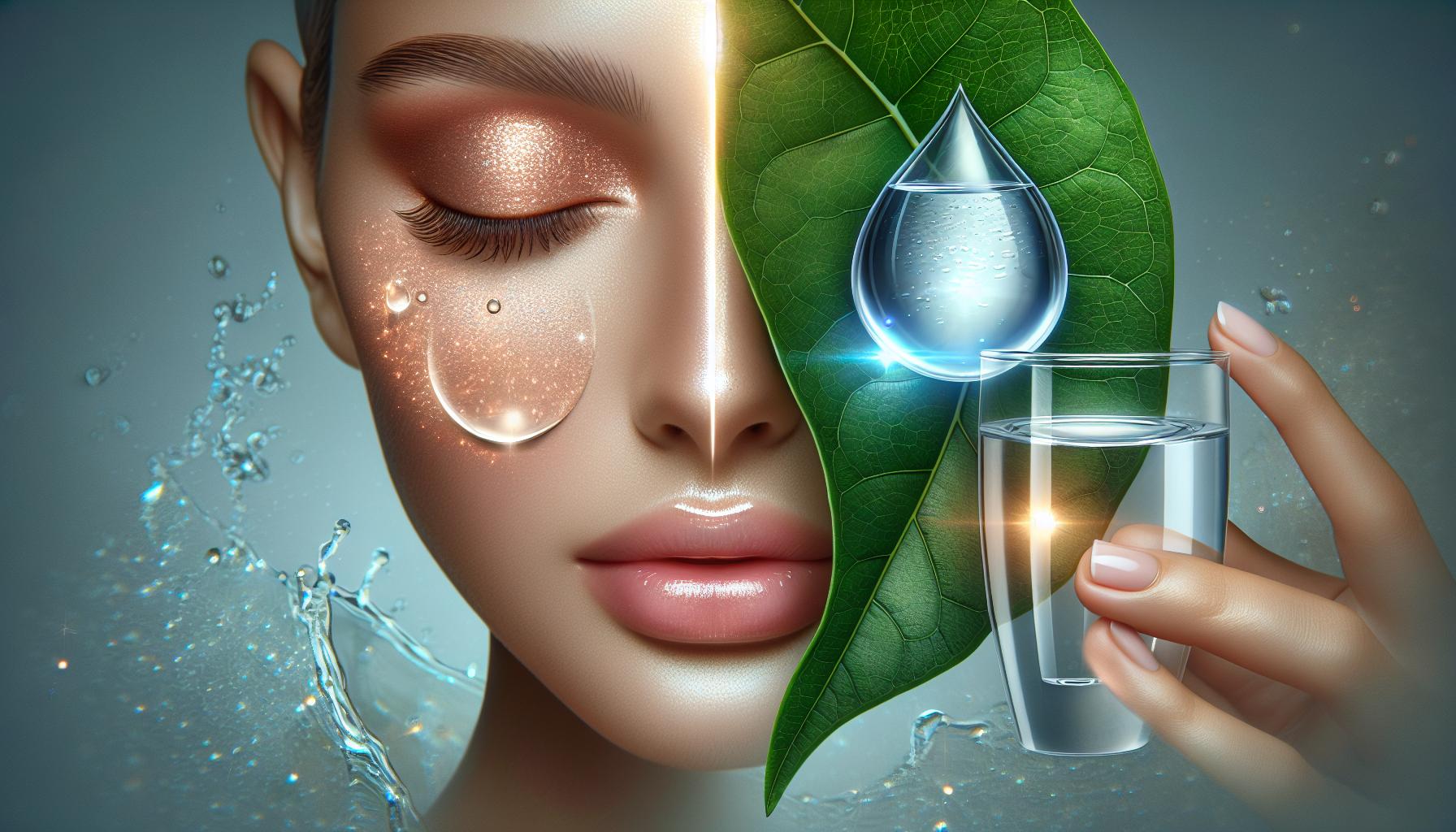
The Importance of Hydration for Skin Health
Water plays a pivotal role in maintaining our skin’s health and vitality. As the body’s largest organ, our skin is not only a protective barrier but also a complex system that requires sufficient hydration to function optimally. When we neglect to hydrate adequately, the consequences are often visible—skin can become dry, dull, and prone to irritation or inflammation.
Key Benefits of Proper Hydration
Understanding the specific benefits of hydration can motivate individuals to prioritize their water intake. Here are some crucial reasons why hydration is essential for skin health:
- Moisture Retention: Adequate hydration allows the skin to retain moisture effectively. This is vital for preventing dryness and irritation. For example, during the dry winter months, when indoor heating can strip moisture from the air, drinking enough water becomes crucial to keep the skin adequately hydrated.
- Boosting Elasticity: Well-hydrated skin is more supple and elastic, which can significantly reduce the visible signs of aging, such as fine lines and wrinkles. As we age, our skin’s ability to retain moisture diminishes, making hydration even more critical for those looking to preserve a youthful appearance.
- Improving Complexion: Consistent hydration can lead to an improved and more radiant complexion, combating issues like uneven skin tone and dullness. Many individuals find that their skin appears healthier with clearer, more vibrant color when they meet their hydration needs.
Factors Influencing Hydration Levels
In the United States, various lifestyle factors can impact our hydration levels. For instance, geographic location plays a role; living in arid climates can lead to faster moisture loss, requiring heightened awareness about water intake. Additionally, dietary choices significantly influence hydration. Consuming foods with high water content, such as cucumbers and watermelon, can complement fluid intake. Engaging in regular exercise without replenishing lost fluids can also decrease hydration levels, leading to fatigued and lifeless skin.
Conscious Choices for Optimal Hydration
Being mindful of these factors can empower you to harness the full benefits of hydration for your skin. To kickstart your hydration journey, consider setting daily water intake goals. Incorporating reminders to drink water throughout the day or keeping a refillable water bottle by your side can help establish healthier habits.
Exploring the impact of hydration on skin health is a step toward a radiant appearance. As you delve into the numerous advantages hydration offers, remember that small, consistent changes can lead to significant results. Prioritizing water in your daily routine is not just about quenching thirst; it’s about cultivating a glowing complexion that reflects your well-being from within.

DIVE DEEPER: Click here to uncover the influence of social media
Unveiling the Link Between Hydration and Skin Health
Understanding the connection between hydration and skin health is crucial for anyone seeking to enhance their complexion and overall appearance. Water acts as a natural moisturizer, aiding the body in vital functions and maintaining the skin’s protective barrier. As we explore the impact of hydration, it becomes evident that our skin’s condition is directly influenced by the amount of fluids we consume.
The Consequences of Dehydration on Skin
While we often associate dehydration with physical symptoms like fatigue or headaches, its effects on the skin can be equally profound. When the body lacks adequate hydration, the skin can exhibit various signs of distress, including:
- Dryness and Flakiness: Insufficient water intake can lead to the stripping of natural oils, resulting in a textured, flaky surface. This condition can make skincare routines less effective and may exacerbate existing skin issues.
- Increased Sensitivity: Dehydrated skin is more susceptible to irritants and environmental stressors. Individuals may experience heightened reactions to products, leading to redness or rashes.
- Accelerated Aging: Lack of hydration can make skin appear older than it is. Fine lines and wrinkles become more prominent as the skin loses its natural plumpness, making hydration a vital defense against premature aging.
Hydration and Its Role in Skin Function
The skin is composed of multiple layers, with the outermost layer (the stratum corneum) acting as the first line of defense against environmental aggressors. This layer relies heavily on adequate hydration to remain intact and function correctly. When hydrated, the skin can maintain its barrier function, preventing harmful substances from penetrating while keeping moisture locked in. This dynamic balance is essential for overall skin health.
Furthermore, drinking water plays an important role in the health of skin cells. Hydration helps facilitate the transportation of nutrients to skin cells, supporting their growth and renewal. As these cells receive the hydration they need, they can repair damage more effectively and foster a vibrant, youthful appearance. Thus, staying adequately hydrated isn’t just about quenching thirst; it’s about nurturing your skin from the inside out.
Essential Hydration Practices
To optimize hydration for skin health, adopting some simple practices can yield impressive results. Consider the following strategies:
- Drink Water Regularly: Aim for at least eight 8-ounce glasses of water a day, adjusting based on your activity level, climate, and personal needs.
- Incorporate Hydrating Foods: Foods such as fruits and vegetables—especially those high in water content like cucumbers and oranges—can significantly boost your hydration levels.
- Avoid Overly Dehydrating Beverages: Limit consumption of caffeinated or alcoholic drinks, as they can contribute to dehydration.
By implementing these hydration practices, you begin the journey toward healthier skin, effectively countering the negative effects of dehydration. As we unveil the secrets behind hydration and its benefits, it becomes clear that every sip counts in your pursuit of radiant skin.
The Importance of Hydration for Healthy Skin
In understanding the significance of hydration for achieving vibrant skin, it is essential to recognize the dual role of water: it not only nourishes but also protects. When your skin is well-hydrated, it naturally maintains its elasticity, thereby minimizing the appearance of wrinkles and fine lines. Skin that is deprived of moisture can become dry, flaky, and dull – a clear invitation for premature aging. In addition to its aesthetic benefits, proper hydration is critical in facilitating the skin’s natural repair processes.
Research suggests that adequate water intake may even reduce skin ailments such as acne, eczema, and psoriasis. The reason lies in the skin’s ability to purge toxins when adequately nourished. Furthermore, hydration impacts the efficacy of topical skincare products; when your skin is well-hydrated, it can absorb creams and serums more effectively, therefore amplifying their benefits.
Hydration also plays a key role in maintaining the skin’s barrier function. This barrier is pivotal as it protects against environmental aggressors such as pollution and UV rays. Without sufficient hydration, compromised skin barriers can lead to increased sensitivity and inflammation. Therefore, it’s clear that the quest for youthful, radiant skin begins with a simple yet powerful element: water.
| Advantages | Description |
|---|---|
| Improved Elasticity | Hydrated skin retains its natural elasticity, reducing signs of aging. |
| Enhanced Absorption | Well-hydrated skin better absorbs skincare products, maximizing their effectiveness. |
| Fewer Skin Ailments | Adequate hydration can mitigate conditions like acne and dryness, leading to clearer skin. |
| Stronger Barrier Function | A well-hydrated skin barrier can better protect against pollutants and irritants. |
Next, we explore practical tips and strategies to ensure your skin remains hydrated, reinforcing these essential benefits. From dietary advice to specific skincare routines, there is a wealth of information that can help you achieve glowing, healthy skin.
DISCOVER MORE: Click here to learn about the importance of hydration
Hydration Strategies for Optimal Skin Vitality
As we delve deeper into the significance of hydration for healthy skin, it’s essential to understand not only the necessity of water but also the various avenues through which we can enhance our skin’s moisture levels. Many might underestimate the relationship between daily habits and skin hydration, but insights from dermatologists reveal just how profound these strategies can be.
The Role of Climate and Environment in Hydration Needs
Your environment plays a crucial role in determining how much water your skin requires. For instance, individuals residing in humid climates may experience less moisture loss than those in arid regions. During the winter months, when the air is notably drier, the skin can lose moisture rapidly. Hence, adjusting your hydration strategy according to the seasons is not only wise but vital for maintaining skin health.
Additionally, engaging in outdoor activities, particularly during hot summer months, can lead to increased perspiration. This natural process is the body’s way of regulating temperature but can also result in significant fluid loss. To counteract this, it’s advisable to listen to your body and replenish fluids often, not just when thirsty. Incorporating electrolyte-rich drinks can also be beneficial, as they help restore balance more effectively than water alone.
The Impact of Moisturizers on Hydration
While drinking water is integral, applying topical moisturizers serves as a crucial complementary approach. Look for products that contain humectants, such as hyaluronic acid and glycerin, which draw moisture from the environment into the skin. Furthermore, occlusive agents—like petrolatum and dimethicone—can lock in hydration, ensuring your skin remains supple. Using these products post-shower or after cleansing can amplify overall skin hydration.
Integrating a quality moisturizer into your routine can prevent transepidermal water loss (TEWL), a process whereby moisture escapes from the outer skin layers. Opting for creams or lotions tailored specifically for your skin type can optimize the benefits. For instance, those with oily skin might prefer lightweight gel moisturizers, while individuals with dry skin may find richer creams more effective.
Integrating Hydration into a Holistic Skincare Routine
Hydration doesn’t exist in isolation; it intertwines with every aspect of a skincare routine. Regular exfoliation can enhance the absorption of hydrating products, removing dead skin cells that hinder moisture retention. However, one must tread lightly, as over-exfoliation can strip the skin of its natural oils, leading to increased dehydration. Experts recommend exfoliating 1-2 times a week, adjusting this frequency based on individual skin reactions.
Sleep also plays a pivotal role in hydration. Quality rest helps boost hydration levels, allowing the body to repair and restore skin overnight. Practicing a nighttime skincare routine that focuses on hydration can yield impressive results by morning. This might include using overnight masks or heavier creams that can work their magic as you rest.
Lastly, incorporating hydrating supplements like collagen or omega-3 fatty acids can indirectly aid in skin hydration by supporting overall skin structure and moisture pathways. Studies have shown that participants who regularly consumed collagen saw improvements in skin elasticity and hydration, further emphasizing the importance of a holistic approach to skincare.
In summation, staying informed about the interplay between hydration and skin health ultimately leads to improved routines and practices that enhance the way we care for our skin. Remember, hydration is not just an act but a lifestyle choice, one that fosters not only a radiant complexion but a foundation of skin well-being.
DISCOVER MORE: Click here for strategies to maintain a healthy glow
Conclusion: The Vital Connection Between Hydration and Healthy Skin
In conclusion, the profound impact of hydration on healthy skin cannot be overstated. As we have explored, maintaining optimal moisture levels is essential for preventing dryness, flakiness, and premature aging. The interplay between adequate water intake and topical moisturizers forms the foundation of an effective skincare regimen. Adapting hydration strategies to suit your environment, climate, and individual skin type is crucial for achieving the best results.
Moreover, recognizing the broader context of hydration—encompassing factors like diet, personal habits, and lifestyle choices—further underscores its significance. Regularly integrating hydrating supplements, alongside consistent skincare practices, can empower individuals to enhance their skin’s vitality and resilience. Are you drinking enough water? Are your products working synergistically to lock in that moisture? These questions are essential to ask as you navigate your skincare journey.
As more research continues to unveil the intricate links between hydration and skin health, we encourage you to remain vigilant in your skincare endeavors. By embracing a holistic approach—prioritizing hydration, nourishing your body, and being mindful of environmental factors—you empower yourself to cultivate a luminous, healthy complexion. Ultimately, hydration should not be viewed merely as a skincare tip but rather as a crucial lifestyle choice that paves the way for enduring skin wellness.