
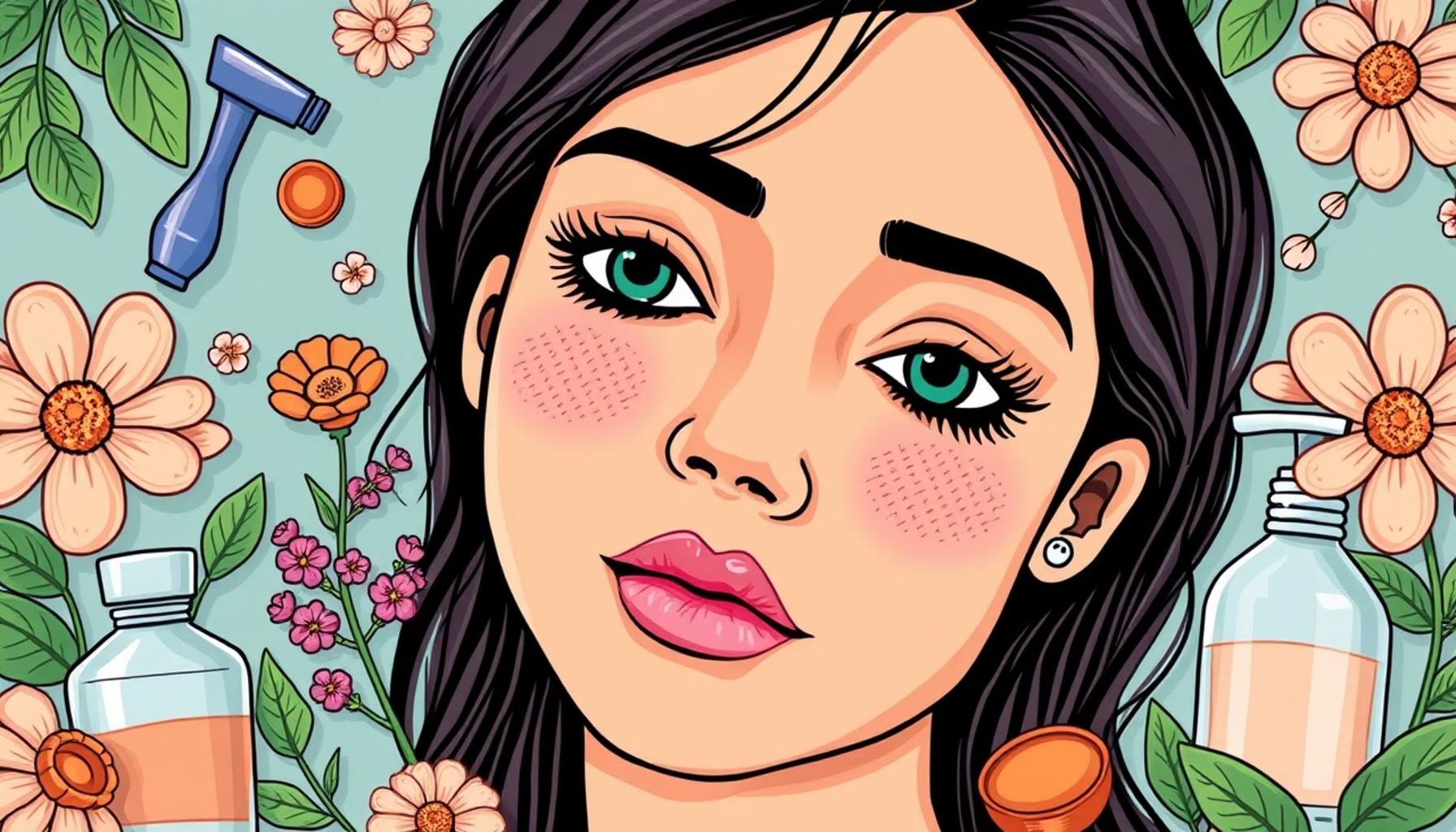
The Impact of Stress on Skin Health
Stress is often perceived as merely a psychological hindrance, yet it carries significant implications for your skin health. When faced with stressful situations, the body engages in a series of physiological responses, releasing hormones such as cortisol and adrenaline. This hormonal fluctuation can directly affect your skin’s condition, leading to various visible issues. From increased oil production to heightened inflammatory responses, the repercussions can be considerable and detrimental to your overall complexion.
To grasp the complexity of this issue, it’s vital to examine specific common skin issues linked to stress:
- Acne – Stress causes a surge in cortisol, which can increase oil production in the skin. This excess oil can trap dirt and bacteria in pores, leading to breakouts. A classic example can be seen in teenagers facing exam pressure, often battling sudden acne flare-ups.
- Eczema – Many individuals with eczema report that episodes of stress worsen their condition. The skin may become inflamed, resulting in itching and redness, making stressful periods particularly uncomfortable.
- Psoriasis – This autoimmune disorder, characterized by rapid skin cell growth leading to scaly patches, can be exacerbated by stress. Research indicates that individuals with psoriasis often see more frequent flare-ups during stressful times, demonstrating the clear connection between the mind and body.
Additionally, chronic stress does not just affect these specific conditions; it can result in premature aging and a dull complexion over time. Stress-induced free radicals can damage skin cells, reduce collagen production, and lead to more visible signs of aging, such as wrinkles and fine lines. The external symptoms of stress often serve as a visual cue of the internal turmoil, prompting the need for effective skincare strategies that address these concerns.
In light of these findings, it is essential to incorporate effective skincare strategies aimed at soothing your skin and promoting a healthier appearance. Simple practices such as establishing a regular cleansing routine, using calming products rich in antioxidants, and managing stress through mindfulness techniques can significantly improve skin health.
This article will delve into the intricate relationship between stress and skin health, providing insights that will empower you to take control of your skin’s appearance. Moreover, practical skincare strategies will be outlined, designed to help restore your skin’s natural glow and resilience. By understanding the connection between stress and your skin, you can take proactive measures to maintain your complexion, enhancing both your physical and mental well-being.
DON’T MISS: Click here to discover seasonal skincare tips
Understanding the Connection between Stress and Skin Issues
To fully appreciate the impact of stress on skin health, it’s crucial to understand the biochemical processes that occur during high-stress periods. When the body encounters stress, the hypothalamic-pituitary-adrenal (HPA) axis is activated, leading to the release of stress hormones, primarily cortisol. While cortisol is vital for numerous bodily functions, its overproduction can wreak havoc on the skin. Studies reveal that high cortisol levels not only stimulate oil glands, leading to enhanced sebum production, but they also suppress the skin’s immune response, making it more susceptible to inflammation and infection.
The link between stress and skin health is not just theoretical; countless individuals can attest to the sudden flare-ups of conditions like acne or eczema during moments of emotional strain. The psychological burden of stress can manifest vividly on our skin, enhancing the need for preventative skincare strategies. For instance, the prevalence of acne among young adults during stressful periods such as college examinations is well-documented. A surge of cortisol drives the production of oil, clogging pores and directly leading to breakouts, showcasing the skin’s sensitivity to emotional health.
Moreover, it isn’t just temporary skin issues that stem from stress; the long-term effects can be equally alarming. Research suggests that chronic stress can accelerate the aging process, leading to the appearance of premature wrinkles and fine lines. A study published in the Journal of Investigative Dermatology highlighted that prolonged exposure to stress can increase oxidative stress markers in the skin, which in turn catalyze free radical damage. These free radicals are notorious for breaking down collagen and elastin, two proteins crucial for maintaining skin’s elasticity and firmness.
The range of skin issues exacerbated by stress encompasses:
- Increased Oil Production: High cortisol levels encourage the sebaceous glands to secrete more oil, heightening the risk of clogged pores.
- Inflammatory Skin Conditions: Chronic stress can aggravate conditions like eczema and psoriasis, often resulting in painful flare-ups.
- Uneven Skin Tone: Stress can trigger melasma or other pigmentation disorders, leading to an uneven complexion.
- Dry Skin: Stress can disrupt the skin barrier, causing dehydration and sensitivity.
As awareness grows around the relationship between stress and skin health, it is becoming increasingly evident that adopting effective skincare strategies can mitigate many of these negative impacts. Understanding how stress manifests on your skin is the first step to developing a proactive skincare routine. Such an approach not only addresses existing skin conditions but can also build resilience against future flare-ups.
In the following sections, we will explore various practical skincare strategies tailored to combat stress-induced skin problems. From implementing calming skincare products to adopting mindfulness techniques, these solutions aim to restore balance to both your skin and your mind, encouraging a holistic approach to your overall well-being.
The Impact of Stress on Skin Health
Skin health is often a reflection of our internal well-being, and stress plays a critical role in influencing the condition of our skin. When the body is under stress, it releases various hormones, including cortisol, which can trigger an increase in oil production. This shift can lead to acne flare-ups and exacerbate existing skin conditions like eczema and psoriasis. Moreover, stress can disrupt the skin’s natural barrier, leading to increased sensitivity and inflammation.
How Stress Affects the Dermis
Beyond hormonal changes, stress also affects our lifestyle choices. For instance, people under stress are more likely to neglect their skincare routines and opt for unhealthy habits such as poor diet, lack of sleep, and inadequate hydration. This neglect can manifest as dull, irritated skin that lacks vitality. Understanding the link between stress and skin health encourages individuals to reflect on their habits and take proactive steps toward maintaining their skin’s resilience.
Skincare Strategies to Combat Stress-Related Skin Issues
Implementing effective skincare strategies is essential for those grappling with stress-related dermal challenges. Here are some systemic approaches to soothe the skin:
- Cleansing: Gentle, hydrating cleansers can help remove impurities without stripping the skin of essential natural oils.
- Moisturizing: Daily moisturization can restore the skin barrier and enhance hydration, crucial for stressed skin.
- Sun Protection: Broad-spectrum sunscreen is a must to protect compromised skin from UV damage and prevent further stress.
- Incorporating Antioxidants: Skincare products rich in antioxidants can help combat oxidative stress and promote healthy skin cell turnover.
By integrating these strategies into daily routines, individuals can begin their journey toward healing their skin. The relationship between stress and skin health is undeniable, and addressing both aspects holistically is key to achieving optimal skin wellness.
| Category | Benefits |
|---|---|
| Moisturization | Restores skin barrier and maintains hydration |
| Cleansing | Removes impurities without drying out the skin |
By understanding these strategies, readers are empowered to curate a skincare regimen that not only addresses the physical symptoms of stress but also promotes a sense of calm and well-being.
DISCOVER MORE: Click here for your ultimate nighttime skincare guide
Skincare Strategies to Combat Stress-Induced Skin Problems
Given the profound implications stress can have on skin health, incorporating effective skincare strategies becomes essential. The challenge lies in not merely treating symptoms but in addressing the root causes of stress and its effects on our dermis. Fortunately, both topical treatments and lifestyle adjustments can create a holistic regimen to promote skin well-being.
1. Opt for Calming Ingredients
When selecting skincare products, focusing on soothing ingredients can have a noteworthy positive impact. Natural components such as aloe vera, chamomile, and lavender oil are known for their anti-inflammatory properties and ability to calm irritated skin. A product containing these ingredients can help alleviate stress-induced conditions like acne and rosacea by reducing inflammation and fostering skin repair. Furthermore, products rich in hyaluronic acid are beneficial for combating dehydration, a common result of chronic stress that disrupts the skin barrier.
2. Establish a Consistent Skincare Routine
Consistency is key when it comes to skincare. Developing a reliable daily skincare routine can offer a sense of control amidst life’s unpredictability, contributing to reduced stress levels. A simple morning and evening regimen that includes gentle cleansing, moisturizing, and sun protection creates a protective shield, guarding against external stressors. Nighttime rituals, particularly those involving soothing masks or treatments with peptides and antioxidants, can rejuvenate the skin while you sleep, allowing for self-care activities that contribute to stress relief.
3. Incorporate Mindfulness Techniques
Integrating mindfulness techniques into your skincare regimen can enhance results and promote mental tranquility. Consider practices such as facial massage, which not only improves circulation and product absorption but also provides a calming experience. Using jade rollers or gua sha tools can help reduce puffiness and improve lymphatic drainage, providing both physical and emotional benefits. Engaging in deep breathing exercises while applying skincare products cultivates a moment of mindfulness, transforming your routine into a meditative experience.
4. Embrace Adaptogens for Internal Balance
Beyond topical solutions, incorporating adaptogens into your diet can support skin health from within. These naturally occurring substances, such as ashwagandha and rhodiola rosea, help the body adapt to stress and reduce cortisol levels. By integrating them into smoothies or herbal teas, you’re not only supporting your skin but also promoting overall emotional balance. Maintaining a balanced diet rich in antioxidants—think colorful fruits and vegetables—can combat oxidative stress and help mitigate the skin-aging effects of prolonged emotional strain.
5. Prioritize Hydration and Sleep
The connection between stress, hydration, and skin health cannot be overstated. Stress can often lead to neglecting proper hydration, which exacerbates dryness and dullness. Aim to consume at least eight glasses of water daily, and complement this with hydrating foods, such as cucumbers and watermelon. Moreover, adequate sleep revitalizes the skin and reduces cortisol levels. Establishing a calming nighttime routine, such as avoiding screens before bed, can promote better sleep quality and enhance the skin’s natural repair processes.
Incorporating these strategies can empower individuals to manage the relationship between stress and skin health effectively. By taking actionable steps to enhance both skincare and self-care, you can create a protective barrier against the adverse effects of stress, leading to healthier skin and a more balanced mind.
CHECK OUT: Click here to discover seasonal skincare tips
Conclusion: Harmonizing Stress and Skin Health
In closing, understanding the intricate relationship between stress and skin health is vital for anyone striving to achieve a radiant complexion amidst life’s challenges. The synergistic effects of stress on the skin underscore the importance of not only treating external symptoms but also embracing a comprehensive approach that targets the underlying emotional and physical stressors. By prioritizing calming ingredients, maintaining a consistent skincare routine, and integrating mindfulness practices, individuals can effectively mitigate stress’s toll on their skin.
Moreover, the incorporation of adaptogens, hydration, and restorative sleep into daily life promotes overall well-being, which directly translates to healthier skin. Research indicates that even minor adjustments in lifestyle and skincare can lead to significant improvements, enhancing both skin appearance and mental resilience. As you embark on developing your personalized skincare regimen, consider these insights as valuable tools, empowering you to navigate the complexities of stress with confidence.
By fostering both inner peace and external vitality, individuals can cultivate a proactive approach toward their skin’s health, transforming routines into moments of self-care and reflection. With ongoing education and awareness, you have the potential to unlock a nourishing relationship between your skin and your mental well-being, paving the way to a brighter, healthier future.