Caring for Sensitive Skin: Tips and Essential Products
Navigating the World of Skincare for Sensitive Skin
Caring for sensitive skin can often feel like navigating a minefield. With an overwhelming array of products that claim to be suitable, it’s essential to understand what truly works for your individual skin type. Recognizing your skin’s unique needs is the first critical step in achieving a healthy and radiant complexion that feels comfortable and nourished.
Sensitive skin affects a significant portion of the American population. According to a survey by the American Academy of Dermatology, nearly 60% of women and 50% of men report experiencing some form of skin sensitivity at various points in their lives. This increase in sensitivity can be attributed to numerous factors, including harsh chemicals, environmental stressors, and even lifestyle choices.
Common Triggers for Sensitive Skin
Individuals with sensitive skin can experience reactions as a result of several common triggers. Familiarizing yourself with these factors can help in better managing your skincare routine.
- Harsh chemicals in soaps and moisturizers can strip the skin of its natural oils, leading to irritation and redness. Ingredients such as sulfates and parabens are notorious for their harsh effects on delicate skin.
- Extreme temperatures or humidity levels can cause the skin to become dehydrated or overly oily, triggering flare-ups. For instance, the dry winter air can lead to cracks and irritation, while summer heat may exacerbate conditions like rosacea.
- Allergens such as pollen, dust, and certain nut oils may further aggravate sensitive skin. Many pet owners find that their skin reacts negatively to pet dander, despite their love for their furry companions.
Building a Gentle Skincare Routine
To effectively combat the issues linked to sensitive skin, adopting a gentler skincare routine is paramount. Here are some essential tips to guide you:
- Choose products with minimal ingredients: Simplicity often reigns supreme when it comes to sensitive skin. Look for formulations with few, well-known ingredients to minimize the risk of irritation.
- Opt for fragrance-free options: Fragrances, even those derived from natural sources, can be allergens for some individuals. Products labeled ‘fragrance-free’ are typically a safer choice.
- Conduct patch tests before fully incorporating new products: A small test on a discreet area of your skin can help identify potential adverse reactions. This small step can save you from widespread irritation.
Essential Products for Sensitive Skin
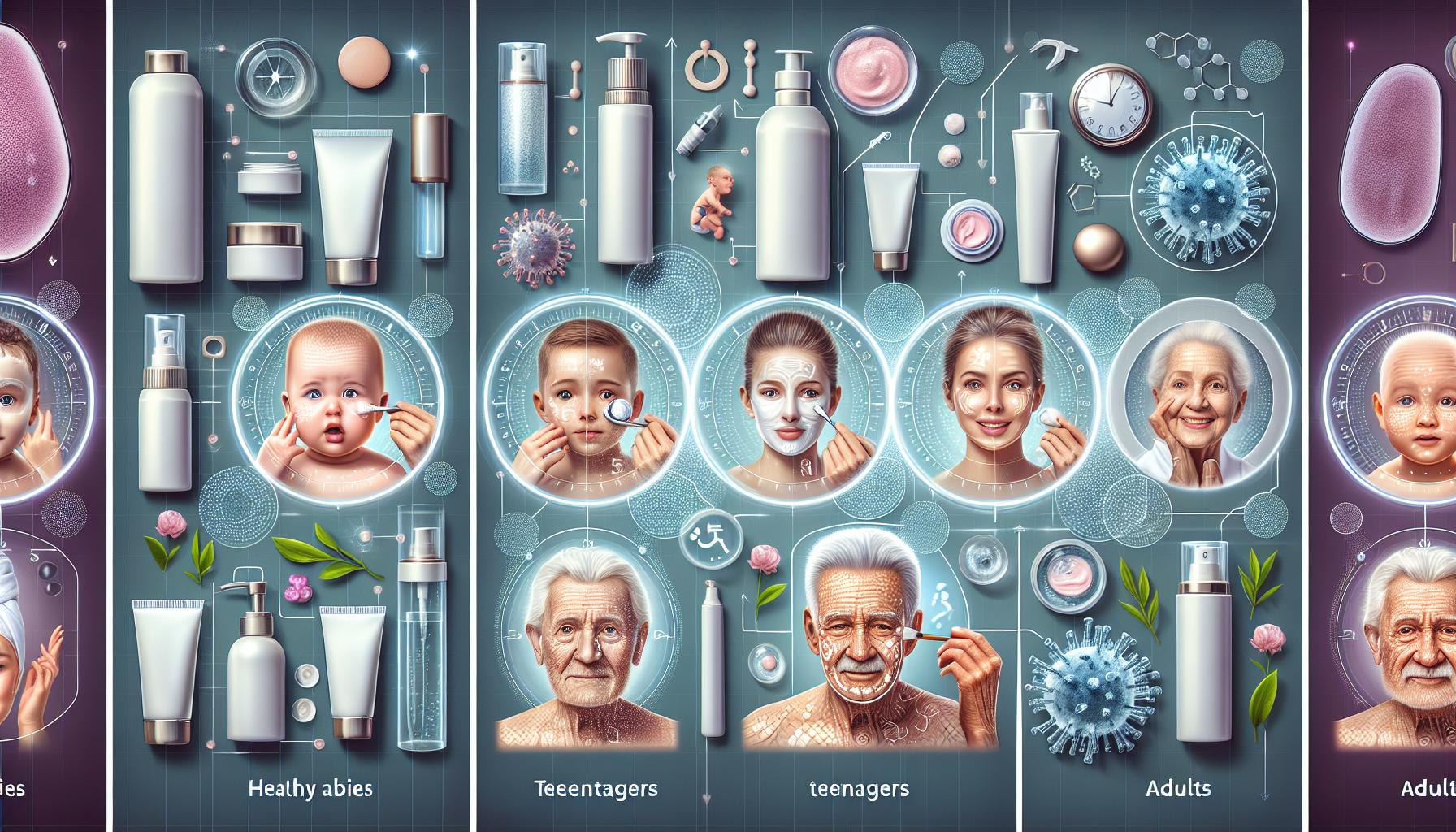
Beyond general tips, it’s crucial to explore specific products that can offer comfort and protection. Look for moisturizers enriched with ceramides, which can help restore the skin barrier, or those containing aloe vera or chamomile for their soothing properties. Brands like Cetaphil and La Roche-Posay are often recommended by dermatologists for their gentle formulas.
Investing in a good sunscreen is also essential; look for mineral-based options with zinc oxide or titanium dioxide, as these tend to be less irritating compared to chemical sunscreens.
Ready to discover what your skin has been craving? With the right information and products, sensitive skin can be managed effectively—allowing you to feel comfortable in your own skin.
DISCOVER MORE: Click here to learn about the benefits of retinol
Understanding the Importance of pH Balance
For those with sensitive skin, maintaining a proper pH balance is critical. Skin pH can fluctuate due to factors like diet, stress, and the products you use. Typically, healthy skin has a pH level ranging from 4.5 to 5.5, leaning towards the acidic side. This acidity helps to support the skin’s natural barrier, ensuring that it remains resilient against irritants and bacteria.
A disrupted pH balance can lead to a variety of issues, including dryness, inflammation, and discomfort. If you find yourself experiencing frequent reactions or irritation, it may be worth assessing the pH level of your skincare products. Look specifically for cleansers and moisturizers that are labeled as pH-balanced, as these formulations are designed to be gentle on sensitive skin.
Key Ingredients to Look For
When it comes to choosing the right products for sensitive skin, understanding the ingredients is essential. Here is a list of beneficial components to consider:
- Hyaluronic Acid: This humectant draws moisture into the skin, providing hydration without the heavy oils that can clog pores or cause irritation.
- Niacinamide: Known for its anti-inflammatory properties, niacinamide can help soothe redness and improve the overall texture of sensitive skin.
- Shea Butter: This natural emollient is celebrated for its exceptional moisturizing capabilities, working to soften the skin while minimizing irritation.
- Green Tea Extract: Rich in antioxidants, this ingredient can aid in calming irritation and protecting the skin from environmental damage.
By focusing on these key ingredients, you can enhance your skincare routine to better suit the needs of your sensitive skin. It’s recommended to read product labels carefully and prioritize those that feature these beneficial components prominently in their formulations.
Hydration Matters
Hydration plays a pivotal role in caring for sensitive skin. Insufficient moisture can lead to a compromised skin barrier, making the skin more susceptible to irritation and inflammation. Incorporating a high-quality, hydrating serum or moisturizer into your daily regime is crucial. Look for products that provide long-lasting hydration and consider layering a hydrating serum beneath your moisturizer for enhanced effects.
In addition to topical hydration, remember that internal hydration is equally important. Drinking plenty of water throughout the day can significantly contribute to your skin’s health. Aim for at least eight glasses a day, especially if you live in a climate that contributes to dryness.
Caring for sensitive skin requires a thoughtful approach, focusing on gentler formulations and hydrating ingredients that support skin health. By understanding how to navigate your unique skincare needs, you’ll be equipped to foster a comfortable and beautiful complexion.
Caring for Sensitive Skin: Tips and Essential Products
Sensitive skin requires special attention and tailored products to maintain its health and appearance. Here are some essential tips to help you navigate your skincare routine.
| Tip Category | Details |
|---|---|
| Gentle Cleansing | Use a mild face wash free of fragrances and harsh chemicals. |
| Moisturizing Daily | Choose a hypoallergenic moisturizer to keep skin hydrated without irritation. |
| Sun Protection | Always apply SPF 30 or higher before exposure to the sun to prevent damage. |
| Patch Testing | Before using new products, conduct a patch test to avoid allergic reactions. |
By incorporating these essential practices, you can significantly enhance the comfort and appearance of sensitive skin. Products specifically designed for sensitive skin often contain soothing ingredients like aloe vera and chamomile that can alleviate irritation and redness.
As you explore options for your skincare routine, look for labels that highlight non-comedogenic and fragrance-free formulations. These guidelines can help you find products that not only protect but also nurture sensitive skin effectively.
DIVE DEEPER: Click here to discover the latest trends in sustainability
Choosing the Right Cleansers
One of the fundamental steps in any skincare routine is cleansing, yet for those with sensitive skin, this can be a tricky endeavor. Traditional soaps and harsh cleansers often strip the skin of its natural oils, leading to further irritation and imbalance. Instead, consider opting for gentle, sulfate-free cleansers that maintain the skin’s moisture levels while effectively removing dirt and impurities.
Look for products that feature natural ingredients and are free from synthetic fragrances and harsh chemicals. Gel-based or cream-based cleansers tend to be less irritating and can effectively cleanse without disrupting your skin’s natural barrier. Micellar water is also a fantastic option for sensitive skin; it gently lifts away makeup and grime without the need for vigorous scrubbing, ensuring a more soothing cleansing experience.
Sun Protection
Protecting sensitive skin from harmful UV rays is paramount. Sun exposure can exacerbate irritation, redness, and can even lead to long-term skin damage. When selecting a sunscreen, look for formulas specifically designed for sensitive skin. These will often be labeled as hypoallergenic and will minimize the risk of causing an adverse reaction.
Choose a broad-spectrum sunscreen with an SPF of at least 30, and consider mineral sunscreens containing zinc oxide or titanium dioxide, as these physical blockers are generally more tolerated by sensitive skin compared to chemical sunscreen ingredients. Remember to reapply every two hours during outdoor activities, and don’t shy away from protective clothing and wide-brimmed hats for added defense against sun-related sensitivities.
Patch Testing New Products
Incorporating new products into your skincare routine can present potential risks for those with sensitive skin. New formulas can result in unpredictable reactions, even from ingredients that may seem innocuous. To mitigate these risks, always perform a patch test before fully integrating a new product.
Apply a small amount of the product to a discreet area of skin, such as behind your ear or on your wrist, and wait for 24 to 48 hours to observe any reactions. If you notice redness, itching, or irritation, it’s a clear sign to avoid that product. Engaging in patch testing not only builds your confidence in your skincare choices but also helps you curate a personalized routine tailored to your unique sensitivities.
Building a Minimalist Routine
Sometimes less is more, especially for sensitive skin. Overloading your skin with too many products can cause irritation and discomfort. A minimalist skincare routine that focuses on a few well-chosen products can significantly benefit those with sensitivities.
Essentially, a solid routine should include a gentle cleanser, a hydrating serum or moisturizer, and a reliable sunscreen. You may also consider incorporating a soothing facial oil or treatment containing calming ingredients like chamomile or calendula. By keeping your regimen simple and targeted, you create a space for your skin to recover and thrive without the stress of excessive product use.
The journey of caring for sensitive skin is a highly personal and evolving process. Continued exploration of what works best for your skin type, combined with a commitment to using gentle formulations, will lead to healthier and more resilient skin.
LEARN MORE: Click here to discover the truth about hydration for your skin
Conclusion
Caring for sensitive skin is a nuanced journey that requires attention, patience, and the right strategy. As highlighted throughout this article, understanding your skin’s unique needs is crucial to achieving a healthy balance. By selecting gentle, sulfate-free cleansers, you not only remove impurities but also maintain the skin’s natural moisture levels. It’s essential to incorporate broad-spectrum sun protection formulated for sensitive skin, featuring physical blockers like zinc oxide to prevent harmful UV rays from exacerbating ongoing sensitivities.
Implementing patch testing before trying any new products adds a layer of security, ensuring that your skin won’t react adversely to new formulations. Furthermore, embracing a minimalist routine—highlighted by a few select, gentle products—can create an effective regimen that allows your skin to breathe and recover without unnecessary aggravation.
It’s important to remember that sensitive skin can respond differently over time, influenced by factors like environmental changes, diet, and lifestyle. Therefore, being adaptive and attuned to your skin’s responses is key. Continue to explore various products, educate yourself on ingredient benefits, and always prioritize what feels comfortable for your skin.
Ultimately, the path to managing sensitive skin lies in becoming a knowledgeable advocate for your own skincare needs. Each small, informed decision contributes to the larger picture of a healthier, more vibrant complexion. Stay curious, consult experts when necessary, and invest in high-quality, tailored products to foster resilient skin.