Inclusive Beauty: The Evolution of Makeup Trends for All Skin Tones

Understanding the Shift Towards Inclusivity in Beauty
The transformation within the makeup industry over the last few years has been nothing short of revolutionary. Central to this shift is the concept of inclusivity, which has gained significant traction, leading brands to rethink their product offerings to celebrate diverse skin tones. This trend marks a departure from the historically narrow definitions of beauty that often excluded a vast spectrum of consumers.
Historically, makeup brands primarily focused on a limited range of shades, neglecting the rich diversity of skin colors, particularly those belonging to people of color. The beauty landscape is now evolving, as brands begin to recognize the importance of accommodating deeper skin tones and a variety of undertones, which reflect a more accurate representation of the population.
- Expanded shade ranges have become a hallmark of committed brands. For instance, Fenty Beauty, launched by Rihanna in 2017, made waves by offering an astounding 40 foundation shades at launch, a move that challenged competitors to follow suit. As a result, major brands like Maybelline, L’Oréal, and MAC have expanded their lines significantly to include shades for deeper complexions.
- Innovative products suited for various undertones have also emerged. Brands are now investing in research to develop foundations, concealers, and lip colors that cater not just to light, medium, and deep shades but also to the unique undertones—like cool, warm, or neutral—that many consumers possess. This attention to detail ensures that every individual can find their perfect match.
- Campaigns that celebrate diversity are more prevalent than ever. Many companies are now leading marketing efforts that showcase models of varying backgrounds, sizes, and ages, moving away from the conventional standards of beauty. For example, brands like Dove and CoverGirl have embraced diverse representation in their advertisements, amplifying the voices of less commonly featured demographics.
This growing emphasis on inclusive beauty not only empowers consumers but also fosters a broader understanding of what beauty means. This inclusivity encourages self-expression and individuality, allowing consumers to embrace their uniqueness rather than conforming to outdated norms. Moreover, the rise of social media platforms further amplifies this message, as beauty enthusiasts advocate for representation and share their transformative journeys with makeup.
As we delve deeper into the transformative nature of this movement, we will examine the innovative brands leading the charge toward inclusivity, the change in consumer experiences and expectations, and how this movement challenges and reshapes beauty standards across America. The exploration of these aspects reveals how makeup is not merely a cosmetic tool but a powerful means of self-empowerment and identity for all skin tones.
DISCOVER MORE: Click here for essential hydration tips
Innovative Brands Leading the Charge
As the movement towards inclusive beauty gains momentum, certain brands have become synonymous with this transformative wave, setting benchmarks that resonate across the industry. These pioneering companies not only listen to consumer demands but also actively engage with diverse communities to refine their product offerings. Here are some prominent brands that are pushing the envelope to redefine makeup culture:
- Fenty Beauty by Rihanna: Launched in 2017, Fenty Beauty has been at the forefront of the inclusivity movement. With its stunning array of 50 foundation shades, the brand effectively showcased that beauty should be accessible to everyone. The emphasis on catering to deeper skin tones and various undertones revolutionized the industry and prompted rivals to expand their own product ranges.
- Juvia’s Place: This brand draws inspiration from African heritage, celebrating rich colors and bold shades. Juvia’s Place offers foundations that cater to deeper complexions, alongside vibrant palettes that reflect the beauty of dark skin tones. Their marketing strategies emphasize inclusivity in a way that boldly resonates with a passionate community.
- ColourPop: Known for its high-quality yet affordable offerings, ColourPop has embraced diversity by introducing products designed with various skin tones in mind. The brand’s commitment to inclusivity shines through its wide array of products, including their popular foundation line that considers an expansive range of undertones.
These brands exemplify how the makeup industry is shifting towards a more inclusive approach. They have recognized that the art of makeup is not just about color; rather, it is about representation, identity, and the empowerment that comes from being seen. As consumers increasingly demand diversity, brands are adapting their strategies not only to satisfy the market but also to participate meaningfully in the conversation about beauty standards.
Changing Consumer Experiences and Expectations
Alongside the rise of inclusive beauty brands, consumer experiences and expectations are also undergoing significant change. More than just a preference, consumers are now actively seeking brands that truly embrace inclusivity. Statistics indicate that over 70% of women of color feel neglected by mainstream beauty brands, creating a strong demand for products that cater to their specific needs. This shift has given rise to an empowered consumer base that values authenticity and representation, pushing brands to elevate their game.
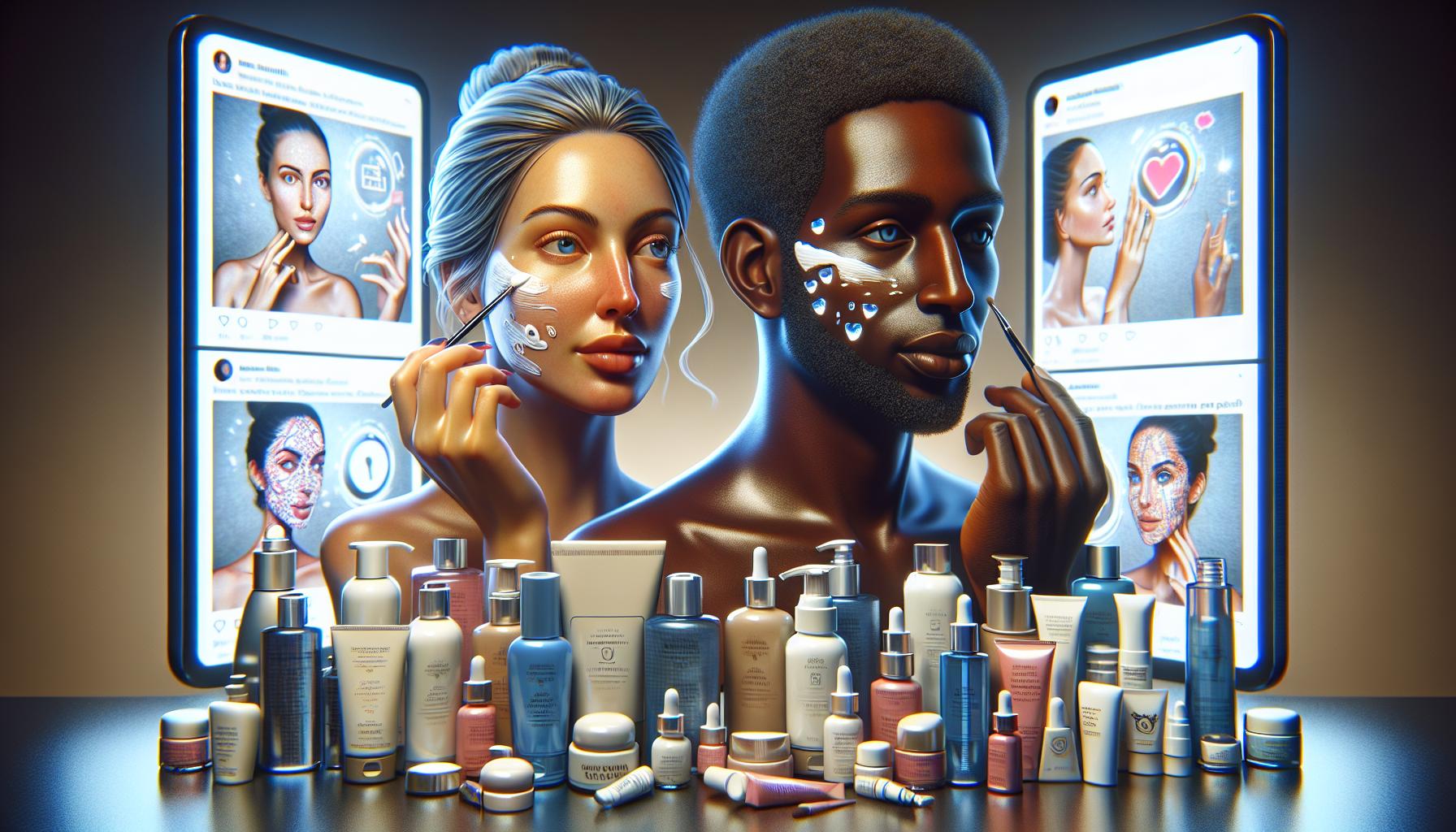
Today’s consumers are well-informed and connected, thanks in part to the power of social media. Platforms like Instagram and TikTok have become essential spaces for sharing beauty tips, tutorials, and honest reviews—making them influential channels in the evolution of makeup trends. There is a growing emphasis on the online community’s ability to shape brand narratives, underscoring the role that social media plays in advocating for quality and inclusivity. The call for authenticity has initiated a departure from the traditional beauty narrative, paving the way for new trends that resonate across a wide array of skin tones.
As we continue to explore this evolving tapestry of beauty, it becomes evident that the principles of inclusivity are not merely trends but crucial components of a new beauty standard. These changes reflect a broader cultural shift where individual beauty is celebrated and recognized, thereby challenging long-held notions of what it means to be beautiful in America today.
| Advantage | Details |
|---|---|
| Increased Representation | Diverse product ranges cater to the unique needs of various skin tones, making beauty accessible to everyone. |
| Enhanced Confidence | Inclusive makeup lines promote self-expression and boost the self-esteem of individuals from different backgrounds. |
| Innovative Formulations | Advanced technologies in product development ensure colors and textures are tailored for all, providing better wear and finish. |
| Cultural Appreciation | Makeup brands increasingly draw inspiration from diverse cultures, enriching the beauty narrative. |
The evolution of makeup trends has seen a significant shift toward inclusivity, acknowledging that beauty transcends skin color. Many brands are realizing the importance of catering to all skin tones, leading to a surge in products designed specifically for a wider range of complexions. This change not only enhances representation but also drives innovation in product formulation, ensuring a perfect match for unique skin characteristics. As a result, consumers are empowered to explore their individuality without restrictions, fostering a vibrant and diverse beauty community. Furthermore, the cultural influences behind these products encourage an appreciation for traditional practices and styles, weaving a rich tapestry of global beauty inspirations. This dynamic evolution highlights the industry’s commitment to embracing diversity, making it an essential topic for further exploration.
DISCOVER MORE: Click here to enhance your nighttime routine
Influence of Social Media and Community Advocacy
The role of social media in elevating the discussion around inclusive beauty cannot be understated. Platforms like Instagram, TikTok, and YouTube have become virtual arenas where individuals showcase their unique beauty experiences, often challenging the narrow beauty standards set forth by traditional media. Through the power of hashtags such as #InclusiveBeauty and #AllSkinTones, influencers and regular consumers alike share their journeys with makeup, advocating for representation that reflects a diverse array of skin tones. This grassroots movement has reached a considerable audience, essentially reshaping consumer expectations for brands.
In recent years, we have witnessed pivotal moments where social media activism has taken center stage. For instance, the #BlackGirlMagic movement has encouraged women of color to celebrate their beauty and recognize the inadequacies of available beauty products. This evolving dialogue has prompted brands to not only respond but to actively listen and engage. In fact, a notable study highlighted that nearly 60% of beauty consumers are more likely to purchase products from brands that support causes related to diversity and inclusivity. This statistic underscored the business case for inclusivity: brands that embrace diverse narratives significantly enhance their market reach.
Moreover, customer relationships with brands have transformed significantly. The average consumer is now more engaged than ever, expecting authentic interactions and a genuine commitment to diversity. This emphasis on dialogue means that consumers are not merely passive recipients of beauty products; they have become vocal advocates for the standards they wish to see in the industry. For example, brands like Huda Beauty and Anastasia Beverly Hills have recently implemented user feedback sessions where makeup lovers from various backgrounds can express their needs and preferences directly to brand representatives.
Emerging Trends in Inclusive Beauty
The commitment to inclusivity has catalyzed a range of emerging trends that are reshaping the beauty landscape. For one, the concept of customizable beauty is gaining traction. Brands are now offering consumers the option to create personalized products that match their specific undertones and preferences. The rise of brands like Matchco, which provides a tailored foundation creation system through an app, is a testament to this evolving approach. This not only addresses the disparities in shade offerings but also allows consumers to take charge of their beauty journey.
Additionally, there is a notable increase in the popularity of clean beauty products that cater to diverse skin types and tones. Consumers are leaning towards formulations with natural ingredients, driving brands to innovate while ensuring their products are suitable for a range of skin conditions and sensitivities. Companies like Kosas and Beautycounter are creatively blending inclusivity with sustainability, demonstrating that ethics and beauty can coexist harmoniously.
Challenges Laying Ahead
<pDespite these empowering strides, the journey toward genuine inclusivity in beauty remains fraught with challenges. As brands rush to embrace diversity, there are concerns about "performative inclusivity"—where brands only superficially commit to understanding and catering to diverse populations. A recent report indicated that consumers increasingly distrust brands that fail to back their promises with tangible actions. This means that authenticity is not merely a marketing strategy; it must be woven into the very fabric of a brand's mission.
<pAs companies forge ahead, they must also navigate complex conversations around issues of cultural appropriation versus appreciation. For instance, brands that draw inspiration from certain cultures must engage in respectful and honest dialogues about the origins of their influences, ensuring that they acknowledge and honor the cultures they depict.
<pAs the inclusive beauty movement continues to evolve, it lays a foundation for future conversations about beauty standards, allowing for a narrative where everyone can feel celebrated in their uniqueness. The developments we witness today are merely the beginning of what promises to be a continuing journey toward comprehensive representation in the beauty industry.
DISCOVER: Click here to learn about personalizing your skincare routine for the seasons
Conclusion: The Future of Inclusive Beauty
As we look toward the future of inclusive beauty, it is clear that the movement has transformed the makeup industry in unprecedented ways. From an increased emphasis on diverse shade ranges to the rise of customizable beauty solutions, brands are responding to the diverse needs of consumers like never before. This evolution not only reflects a growing awareness of the importance of representation but also signifies a broader cultural shift toward celebrating individuality in all forms.
The impact of social media has facilitated a powerful dialogue that encourages both brands and consumers to engage in meaningful discussions about beauty standards. While initiatives such as #BlackGirlMagic and the demand for clean, sustainable products have spurred significant advancements, challenges remain. The risk of performative inclusivity looms large, necessitating that brands remain vigilant in their commitment to authentic representation and ethical practices.
Furthermore, as the beauty landscape continues to evolve, it is essential for brands to engage in ongoing conversations surrounding cultural appreciation versus appropriation. Consumers are increasingly savvy, seeking transparency and accountability in the brands they support. With nearly 60% of beauty consumers prioritizing inclusivity in their purchasing decisions, brands must not simply adapt but innovate, ensuring they remain relevant in a fast-paced world.
Ultimately, the journey toward inclusive beauty is just beginning. The strides made so far lay a robust foundation for further progress, encouraging a future where every individual feels valued and represented. As we embrace this ongoing evolution, the call for diversity in beauty will not simply be a trend—it will be an expectation. As we step further into this inclusive era, the only way forward is to celebrate the rich tapestry of beauty in all its forms.