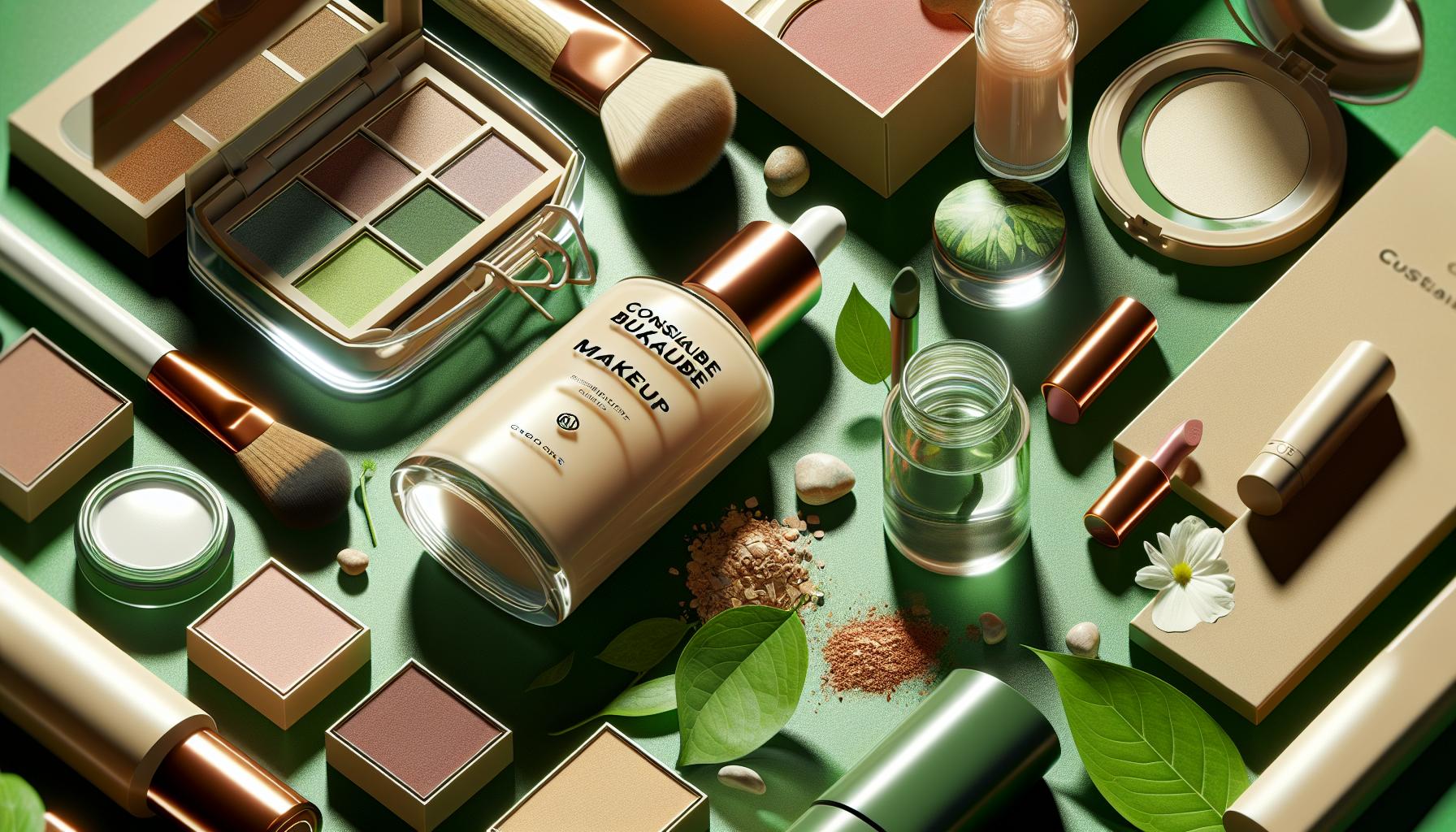
Sustainable Beauty: How Brands Are Innovating with Natural Ingredients

The Shift Towards Eco-Conscious Beauty
As consumers become increasingly aware of the impact their choices have on the environment, the beauty industry is responding with a wave of sustainable innovations. This transformation is not merely a trend; it reflects a profound shift in values, with more individuals prioritizing sustainable practices and natural ingredients in their personal care routines. The implications of this change extend beyond ingredient selections to influence the entire lifecycle of beauty products, from creation to disposal.
- Eco-Friendly Packaging: In a world grappling with plastic pollution, beauty brands are taking significant steps towards using biodegradable, compostable, or recyclable packaging. For instance, brands like Function of Beauty offer custom formulations in refillable containers, allowing consumers to minimize waste. By reducing reliance on single-use plastics, these companies are contributing to a larger movement aimed at reducing environmental impact.
- Sourcing Locally: Many beauty brands now prioritize the use of locally-sourced ingredients. This not only minimizes transportation emissions but also supports local economies. For example, Rituals emphasizes the inclusion of ingredients harvested from nearby farm cooperatives, fostering relationships with local farmers who cultivate organic botanicals. By sourcing ingredients close to home, brands can ensure freshness and traceability while reducing carbon footprints.
- Transparency: Today’s consumers demand clarity about the origins and processing methods of the products they use. This has led to a movement towards full ingredient disclosure by companies. Brands like Everlane have gained traction for their commitment to transparency, even providing insights into their supply chains and the labor conditions of their workers. This level of openness fosters trust between consumers and brands, pushing the industry toward ethics as a core principle.
Among the many brands championing these ideals, a few stand out:
- Tata Harper: This luxury skincare line is renowned for its dedication to using 100% natural ingredients. Their products, free from synthetic fragrances and artificial additives, appeal to eco-conscious consumers who seek high-performance skincare without compromising their values.
- Herbivore Botanicals: With a minimalist approach to skincare, this brand prides itself on cruelty-free products crafted from natural components. Their environmentally-friendly packaging and commitment to sustainability resonate with consumers looking for effective yet gentle options.
- Lush: Well-known for its vibrant stores and handmade cosmetics, Lush has taken a staunch stance against plastic waste. Their initiatives include using “naked” products—items that do not require any packaging at all—thereby significantly minimizing environmental impact.
The convergence of beauty and sustainability is not just an evolving narrative; it represents an opportunity for brands and consumers alike to be catalysts for change. As the quest for personal care continues to evolve, the beauty landscape is becoming more innovative, informed, and environmentally responsible. Embracing this shift not only enhances personal well-being but also promotes a healthier planet for future generations.
DISCOVER MORE: Click here to learn about the latest trends
Ingredients That Care for Skin and Planet
In the movement toward sustainable beauty, one of the most significant developments lies in the innovative use of natural ingredients. Brands are increasingly seeking alternatives to synthetic additives, recognizing that nature offers powerful solutions that not only benefit the skin but also align with eco-conscious values. The focus on plant-based and organic formulations has sparked a revolution, transforming simple beauty rituals into expressions of environmental stewardship.
Recent studies indicate that consumers are willing to pay more for products made from sustainable ingredients. A survey conducted by Statista revealed that over 60% of American adults consider product sustainability an essential factor when purchasing beauty items. This shift has prompted brands to explore a diverse range of natural components, which can offer both efficacy and a lower environmental impact.
Key categories of natural ingredients are emerging as frontrunners in this evolution:
- Botanical Extracts: Many brands are harnessing the power of plant extracts that are known for their skin-enhancing properties. Ingredients like aloe vera, green tea, and rosehip oil not only provide hydration and nourishment but also serve as effective alternatives to synthetic chemicals.
- Essential Oils: Essential oils have gained traction for their aromatic benefits and therapeutic properties. Brands like doTERRA and Young Living are celebrating the use of oils such as lavender and tea tree, which have been shown to possess antimicrobial and anti-inflammatory attributes, enhancing the overall wellness of users.
- Mineral-Based Ingredients: The use of mineral makeup, which employs natural minerals such as mica and titanium dioxide, is rising. These non-toxic alternatives provide coverage without harmful chemicals, catering to consumers interested in both beauty and health.
The incorporation of these natural ingredients is not just a cosmetic upgrade; it reflects an understanding of the connection between beauty products and human health. According to dermatologist Dr. Mona Gohara, “Many individuals are now more aware than ever that what we put on our skin absorbs into our bodies. Opting for natural ingredients minimizes exposure to potentially harmful substances.” This growing awareness is driving brands to prioritize clean, effective formulations that mirror the principles of sustainability.
As brands innovate, they also foster collaborations with environmental organizations to ensure ethical sourcing. The emphasis on sustainable harvesting practices ensures that the ecosystems from which these natural ingredients are derived remain intact. For instance, brands like Patagonia are not only committed to using responsibly sourced materials but also support conservation efforts that protect the environment.
Innovation in sustainable beauty is not limited to product development; it encompasses a broader ethos of nurturing both beauty and the planet. By embracing natural ingredients, beauty brands are crafting a narrative that champions sustainability as an essential component of their identity. This alliance between nature and beauty invites consumers to partake in a beauty journey that is as fulfilling for their conscience as it is for their skin.
The beauty industry is witnessing a transformative shift towards sustainability and natural ingredients, propelled by increasing consumer awareness and demand for eco-friendly alternatives. Brands are embracing this movement, leading to the birth of innovative products that not only enhance beauty but also promote environmental health. In the realm of sustainable beauty, we see a rise in the use of organic botanicals, biodegradable packaging, and ethical sourcing practices.
As consumers become more mindful of their purchasing decisions, brands are responding by reformulating their products with a focus on clean ingredients. For instance, the incorporation of plant-based extracts in skincare and cosmetics ensures that consumers receive the nourishment they desire without the harmful chemicals commonly found in traditional products. This trend is mirrored in the haircare segment, where brands are utilizing ingredients such as coconut oil and aloe vera to provide rejuvenating benefits while remaining gentle on both the scalp and the environment.
Furthermore, brands that champion sustainability are not just stopping at product formulation. They are innovating sustainable practices throughout their supply chains. From utilizing renewable energy sources in manufacturing to implementing recycling programs, these brands are committed to reducing their carbon footprint. The emergence of refillable containers and zero-waste collections highlights their dedication to minimizing waste and fostering a circular economy.
To illustrate the significant benefits of this shift towards sustainable beauty, below is a table outlining some of the primary advantages associated with this trend.
| Category 1 | Category 2 |
|---|---|
| Natural Ingredients | Less irritation and harmful reactions |
| Eco-Friendly Practices | Reduction of environmental impact |
This table highlights key advantages, emphasizing how the beauty industry’s pivot to natural ingredients not only benefits consumers but also contributes positively to the planet. As the sustainable beauty movement gains traction, consumers are empowered to make choices that align with their values, leading to a promising future for beauty innovation and environmental stewardship.
DIVE DEEPER: Click here to discover more
Transparency and Ethical Practices in Beauty
As consumers delve deeper into the world of sustainable beauty, transparency has become a non-negotiable expectation. Modern beauty brands are recognizing the importance of open communication regarding ingredient sourcing, production methods, and their environmental impact. This newfound emphasis on accountability not only enhances consumer trust but also pushes brands to adhere to higher ethical standards.
A prime example of this shift can be seen in brands like Beautycounter, which champions “The Never List,” a compilation of over 1,800 ingredients that are prohibited in their products. By being forthright about what goes into their formulations, Beautycounter cultivates confidence among its consumers, many of whom are increasingly aware of the potential harm that certain chemicals can cause to their health and the environment.
Pioneering brands are now actively communicating their commitment not only to quality ingredients but also to fair labor practices. This conscious effort supports farmers and communities, ensuring that everyone involved in the supply chain benefits. For instance, Herbivore Botanicals sources ingredients from suppliers who adhere to ethical farming practices, ensuring that their products are not only beneficial for the planet but also for the people who cultivate them.
Moreover, the conversation around sustainable beauty is expanding beyond just what’s in the product; it now includes how products are packaged. Brands are leaning into minimalist packaging and recyclable materials, recognizing that waste generated during the beauty routine is often overlooked. The rise of refillable containers is another trend highlighting sustainability efforts. Brands like Fenty Beauty offer refillable makeup compacts that not only reduce waste but also encourage repeat purchases, often at a lower price point.
According to a report by Allied Market Research, the global sustainable cosmetics market is projected to reach $20.52 billion by 2028, underscoring the strong consumer demand for eco-friendly beauty solutions. This growing market is a testament to the innovative spirit of brands ready to invest in research and development to create eco-conscious products, which adhere to evolving consumer values. The research shows that over 70% of millennials advocate for brands that promote sustainability, thus compelling businesses to align their practices with the expectations of the next generation of buyers.
On the fragrance front, brands are now focusing on sustainable sourcing of raw materials. The use of synthetic fragrances has often been criticized for potential skin irritants and environmental concerns. In response, artisanal brands like Skylar have emerged, creating clean vegan fragrances derived from natural essential oils while maintaining a strong commitment to eco-friendly practices. This innovation has resonated with eco-conscious consumers who prefer scents that are both delightful and guilt-free.
In addition to ethical sourcing and eco-friendly packaging, the growing trend of upcycling in cosmetics marks another significant advance in sustainable beauty. Brands are repurposing unexpected byproducts from food production, such as coffee grounds or fruit peels, transforming them into enriching skincare formulations. This not only minimizes waste but also taps into the wealth of nutrients found within these ingredients, providing consumers with dual benefits — effective beauty solutions and environmental consciousness.
As the sustainable beauty movement continues to grow, it is clear that innovation is rooted deeply in a commitment to transparency, ethical practices, and creative ingredient sourcing. Through these efforts, brands are redefining beauty, making it synonymous with responsible living and elevated self-care experiences.
DIVE DEEPER: Click here to discover more
Embracing a Greener Future in Beauty
As we navigate the evolving landscape of sustainable beauty, it becomes increasingly evident that innovation is at the heart of this movement. Brands are not merely responding to consumer demand; they are pioneering new methodologies and embracing a holistic approach that combines ethical sourcing, minimal waste, and transparency. The success of companies such as Beautycounter and Skylar exemplifies a shift toward conscientious consumption, compelling consumers to rethink their beauty rituals while prioritizing personal health and environmental stewardship.
Furthermore, the rise of sustainable practices in beauty—from eco-friendly packaging to upcycled ingredients—illustrates a growing awareness of the industry’s role in global environmental challenges. As the sustainable cosmetics market is projected to reach an impressive $20.52 billion by 2028, brands are being incentivized to innovate and refine their practices continually. This dynamic landscape encourages a new generation of consumers, particularly millennials, to seek out brands that mirror their values of sustainability and responsibility.
As this discourse expands, it becomes clear that natural ingredients act as the foundation for transformative products that enhance our beauty routines without compromising the well-being of our planet. It is crucial for consumers to stay informed and engaged, holding brands accountable and supporting those that prioritize sustainability. In essence, the future of beauty lies in the hands of both the innovators crafting these products and the consumers who choose to embrace them. Together, they can cultivate a beauty culture that is truly sustainable and reflective of a collective commitment to fostering a healthier planet.